


Amplitude Offers & Coupons
Best 7 Coupons & Offers last validated on September 16th, 2026
- All (7)
- Offers (7)
Existing User
- All (7)
- Offers (7)
Yearly Plus Plan - Starts @ $49 Per Month
- Choose now for the yearly plus plan
- Pricing starts at $49 per month
- Offer is accessible to all users
Web Experimentation Plan - Starting At $ 99
- Subscribe now for Web Experimentation Plan
- The initial price starts from $ 99
- All users can avail of this offer
Get Web Analytics Plan Starts At $49 Monthly
- Get a Web Analytics Plan starts at $49 monthly
- No code is required to avail of the offer
- Valid for all users
Monthly Plus Plans Starts At $ 61 Per Month
- Subscribe now & get Plus plan at an unbeatable price
- The plan starts from $61 per month
- Valid for all users
Amplitude Coupon Code
Get Analytics Platform At Best Price
- Get Analytics Platform starts at the best price
- It includes -
- Unlimited feature flags
- Session Replay
- Web Experimentation
- Activation
Upgrade Now For The Growth Plans Starts @ Best Price
- Upgrade now for the Growth Plans starts at best price
- Features include -
- Custom MTU volume
- Advanced behavioral analysis
- Causal insights and monitoring
- Feature Experimentation
- Code editor for Web Experimentation
- Real-time streaming and syncs
- Predictive audiences
Signup Now & Get Free Trial
- Sign up for the account and get additional benefits
- Get a free trial on your plan
- Essential features -
- Up to 50K MTUs
- Out-of-the-box analytics and templates
- Session Replay
- Unlimited feature flags
- Web Experimentation
- Unlimited sources and destinations
- Access to community and academy
Latest Amplitude Offers & Promo Code For Sep 2026
| Category | Amplitude Discount Code & Coupons |
| Yearly Subscription | Price Starts @ $49/Month |
| Web Experimentation Plan | Starting At $ 99 |
| Web Analytics Plan | Starts @ $49 Monthly |
| Monthly Plus Plan | Avail it For $ 61 Per Month |
| Signup Offer | Get a Free Trial |
About Amplitude
Amplitude is software that answers a specific question every product team has: what are people actually doing inside our product, and why. Instead of guessing from sales numbers or gut feel, a company plugs Amplitude in and sees how users move through the app, where they drop off, which features stick, and what changes move the needle. It was started in 2012 by Spenser Skates and Curtis Liu, who had been building things together since their freshman year at MIT. Their earlier voice app needed analytics they could not buy off the shelf, so they built their own, and that internal tool became the product. The platform now spans product analytics, web and marketing analytics, experimentation, and a customer data platform, and the company has been publicly listed since 2021.
For an Indian business, the appeal is getting real evidence about user behaviour without building a data team from scratch. A SaaS startup wanting to see why trial users churn, a fintech app measuring which onboarding step loses people, a media product testing two layouts, or a growth team tying a marketing campaign to in-product action can run all of it through one platform. The value is the clarity it gives a product or growth team, the ability to make decisions on data rather than opinion, not a discount. The free Starter tier lets a small team begin without paying, which lowers the barrier to trying it. The listing here tracks the current offer scope so you can see what is live before you upgrade from the free tier.
Worth being clear about what Amplitude is. It is a business-to-business software subscription, a tool a company uses to measure and improve its product, not a consumer app or a financial product sold to an individual. You subscribe to the software, and the price is driven by usage, mainly how many monthly tracked users you measure, plus the plan tier and seats. The fee is a software fee, plainly. That framing matters for how the tax and the rules apply, which the dedicated section below covers.
Because Amplitude is a US-headquartered software platform charging a fee to an Indian business, the cross-border digital-service rules apply to that software fee. The supply attracts OIDAR GST at 18 percent IGST under Section 14 of the IGST Act 2017, and a GST-registered Indian business handles it under cross-border reverse-charge per Section 9(3) CGST, accounting for the IGST and claiming input credit. Payment runs on an international-enabled card under FEMA rules for cross-border spends, saved cards follow the RBI tokenisation directions, and because Amplitude processes behavioural data on your users, the DPDP Act 2023, including the Section 16 cross-border-transfer scope, governs how that data is handled. Confirm the live plan price and the tax line on the amplitude.com checkout before you subscribe.
What Amplitude Does
Amplitude is one platform with several connected products, and which part you use depends on whether you are measuring in-product behaviour, web traffic, experiments, or routing data between tools. The mix you pick shapes what you pay and how much you get out of it. Here is the shape of what it handles.
Product Analytics
The core of Amplitude is product analytics, which tracks what users do inside your app, builds funnels and retention charts, and shows where people drop off or stick. This is the reason most teams come to Amplitude. For an Indian SaaS or app business, it answers the daily questions a product manager lives with: which feature drives retention, where onboarding loses people, what a power user does differently. The Starter tier covers basic analytics up to a usage cap, so a small team can begin here before paying for more depth.
Web and Marketing Analytics
Amplitude also covers web and marketing analytics, tying website behaviour and campaign performance to what happens after the click. For a growth or marketing team, this connects the spend to the in-product action, so you can see which channel brings users who actually stay rather than just users who land. This is useful where you want one view across the marketing funnel and the product funnel rather than stitching two tools together. It suits a team that owns both acquisition and activation.
Experimentation
The experimentation product lets you run controlled tests, A/B and feature experiments, and read the result against your real behavioural data, with feature flags to roll changes out safely. For a team that wants to decide between two designs or measure a new feature impact with evidence, this folds testing into the same platform that holds the analytics. It removes the gap between running a test and reading what it did to retention or conversion. This is where data-led product teams get a lot of value.
Customer Data Platform (CDP)
Amplitude includes a customer data platform that collects, cleans, and routes behavioural data to the other tools in your stack, so the same event data feeds analytics, marketing, and other systems. For a business tired of inconsistent numbers across tools, the CDP is the single source that keeps everything aligned. It matters most where you run several tools that all need the same clean event data. This is more of a data-infrastructure piece than a daily-use dashboard.
Plus, Growth, and Enterprise Tiers
The paid tiers add depth on top of the free Starter. Plus, from a low monthly fee, raises the usage cap and adds behavioural cohorts and feature tagging, suiting a small growing team. Growth is quote-based and opens up the full analytics, experimentation, and advanced behavioural analysis for a mid-market product. Enterprise adds the heaviest scale, the CDP add-ons, and dedicated support. Match the tier to your stage: most Indian startups begin free, move to Plus as usage grows, and only reach Growth when the product team genuinely needs the deeper analysis.
One Platform, Connected Data
The throughline across all of this is that analytics, web data, experiments, and the CDP sit on one event-data foundation, so the numbers stay consistent across what your team sees. For a business that would otherwise run separate analytics, testing, and data tools, that consolidation is the real product. The clarity it gives a product team is the value. Match the products you turn on to what your team will actually act on, since paying for experimentation or the CDP before you use them is the avoidable cost here.
Matching the Plan to Your Stage
How you use Amplitude should track your stage. An early team validating a product needs the free Starter or Plus and core analytics; a scaling product needs Growth for deeper analysis and experimentation; a large business with many tools needs the Enterprise tier and the CDP. Buying ahead of your stage, especially a quote-based Growth or Enterprise plan before your team uses the depth, is how the cost runs away. Map your need to the right tier before you commit, and step up as your usage and team grow into it.
Stack the value here by starting on the free Starter tier, paying annually or multi-year where the discount applies, and adding paid products only as your team needs them. The software fee carries the OIDAR GST 18-percent IGST overlay, handled under reverse-charge for your registered business per Section 9(3) CGST, so factor the tax into the true cost. Verify the current plan prices, the usage caps, and the tax line on the amplitude.com workflow before you subscribe.
Best Amplitude Offers Available on GrabOn
Amplitude offers cluster around the plan tiers, the usage cap, and the billing term rather than rotating coupon codes, because this is a usage-and-seat B2B subscription, not a retail product. The steadiest savings are the free Starter tier, the right plan for your usage, and a multi-year commitment where you are sure of the platform. The list below covers the recurring offer shapes. Depth and eligibility shift, so treat every figure as a reference point and confirm it on the live amplitude.com checkout.
| Offer Type | Scope | Reference Detail | Notes and Conditions |
|---|---|---|---|
| Free Starter Tier | On core product analytics for a small team | Free up to a monthly-tracked-user cap, often cited around 50,000 MTUs | The right way to test the platform fit before paying; no card needed to start |
| Plus Plan | For a small growing team needing more depth | Around 49 US dollars per month for a higher usage cap | Adds behavioural cohorts and feature tagging; scales with usage |
| Growth Plan | For a mid-market product team | Quote-based, typically a four-to-five-figure annual contract | Opens up full analytics, experimentation, and advanced behavioural analysis |
| Enterprise Plan | For large-scale usage and the CDP | Quote-based, higher annual contract with add-ons | Adds scale, CDP, and dedicated support; negotiated with sales |
| Annual Billing | On switching a paid plan from monthly to yearly | The yearly commitment can work out cheaper than monthly | Worth it once you are sure of the platform; verify the annual rate |
| Multi-Year Commitment | On a two-to-three-year contract for a paid plan | Longer terms can cut the annual rate, often cited around 15 to 30 percent | For larger, settled deployments; ask sales about the multi-year rate |
| Startup Programme | On eligible early-stage startups | Amplitude has run startup-focused credit or discount programmes | Eligibility-based; check the current programme terms with Amplitude |
| Cross-Border GST and Reverse-Charge | On an Indian business paying the software fee | OIDAR IGST 18 percent applies, handled under reverse-charge for a registered buyer | The registered business accounts for IGST and claims input credit; factor it in |
The figures above reflect publicly cited 2026 pricing patterns and can shift with each update, so confirm the current plan prices, usage caps, and any active offer on the amplitude.com workflow plus the live listing here. The best single saving for most Indian businesses is starting on the free Starter tier, then moving to Plus only when your usage genuinely needs it, and switching to annual or multi-year billing once you are settled on the platform. The quote-based Growth and Enterprise tiers are worth it only when your product team uses the deeper analysis. Stack the free tier, the right plan for your usage, and the longer billing term for the lowest true cost. Check the listing for any active code before you upgrade, since a self-serve offer can stack with annual billing on the Plus plan.
How to Apply an Amplitude Coupon
Applying a coupon on Amplitude means redeeming it against the subscription fee at checkout or through the sales process, since this is a usage-and-seat B2B plan rather than a retail cart. The steps below cover a typical Indian-business purchase, including the tax and card points that matter on a cross-border software buy.
- Open the GrabOn /amplitude-coupons/ listing and check the current active offer scope. Note the code or offer that fits the plan you need.
- Go to amplitude.com, create a business account, and start on the free Starter tier to see if the platform fits your team before paying.
- Identify the plan you actually need by mapping your usage and the products you will use, then set up your project and instrument your events.
- On the upgrade or checkout step, find the field labelled "Promo code" or "Have a coupon" and paste the copied code exactly, keeping its case.
- Apply the code and watch the plan fee update. Confirm the discount appears before you continue, since codes may apply only to certain plans or to annual billing.
- Choose monthly, annual, or multi-year billing, noting that the longer term can lower the cost once you are sure of the platform.
- Review the full charge, including the OIDAR GST 18-percent IGST line and any forex conversion, so the rupee cost is clear for your business records.
- Pay with an international-enabled business card, complete authentication, and save the invoice for your reverse-charge accounting and the renewal date.
The discount should show on the Amplitude order summary before payment, so do not pay if the fee line has not updated. If the code refuses to apply, the troubleshooting section below covers the common reasons. For Growth and Enterprise tiers, the Amplitude sales team negotiates terms, so ask them directly rather than relying only on a self-serve code. Keep the invoice for your GST reverse-charge filing.
Amplitude Sale-Window Calendar
Amplitude prices on a usage-and-seat subscription rather than a festival rhythm, but the discount depth on annual and multi-year plans and any promotional offers tracks the global SaaS and business-software calendar. Knowing the windows helps you time a longer commitment for a settled team. The dates below follow the software-sale calendar, since this is a foreign B2B tool rather than an India-festive brand.
Black Friday and Cyber Monday (Late November)
This is the peak of the SaaS discount year, and many business tools run their deepest annual-plan offers here. If you have settled on Amplitude and your usage is stable, late November can be the cheapest time to lock in an annual or multi-year commitment. Plan the switch then rather than committing to a year in a quiet month at full price. Verify the current offer, since B2B discount depth varies year to year.
Financial Year-End Planning
Around financial year-end, both the global calendar year-end and the Indian fiscal year-end in March, businesses plan budgets and tool spend, and software vendors often run aligned offers. For an Indian business setting next year analytics-tools budget, this aligns with the planning cycle, and the reverse-charge GST treatment also matters here for your year-end accounting. Time an annual or multi-year commitment to your own budget cycle where it fits.
Product and Growth Planning Cycles
Teams often plan their analytics setup at the start of a calendar or financial year, or ahead of a major product launch, which is when the need for deeper analytics and experimentation spikes. If you are about to instrument a new product or scale a growth effort, that is the moment to choose the right tier. Match the plan to the work you are actually doing rather than provisioning ahead of need, since usage-based pricing means you pay for the scale you actually measure.
Indian Festive Overlap
A foreign B2B software platform does not run Diwali or Republic Day codes the way a domestic brand does. The convenient part is that the Indian festive-to-year-end stretch overlaps the global Black Friday season, so an Indian business can ride the same annual-plan discounts during the home festive period. There is no need to wait for a local festive code the platform is unlikely to issue. Judge any offer on the actual saving against your usage.
Buying Off-Peak the Smart Way
Outside the big windows, the disciplined play is to run on the free Starter tier or monthly billing while your usage is small or unsettled, and lock in annual or multi-year only when a discount lands or your platform choice is clearly settled. A monthly plan you can adjust is cheaper than a multi-year one you outgrow or shrink out of. Verify current pricing on the amplitude.com workflow before you commit either way, especially for the quote-based Growth and Enterprise tiers.
The platform promotional cadence rides the SaaS and business-software calendar plus any sales-negotiated terms, so confirm the current offer on the amplitude.com workflow and the live listing here. Time a longer commitment to a seasonal window or your budget cycle for the best value, and remember the OIDAR IGST applies under reverse-charge whatever the discount depth.
Payment, GST, and Card Notes
Paying Amplitude from India is a cross-border software transaction for a business, so a few things behave differently from a domestic purchase, and the GST treatment is genuinely different from a consumer buy. Get these right and the accounting is clean. The points below cover the card, the tax, and the renewal side of a B2B subscription.
International Business Cards and Cross-Border Charge
Amplitude charges in US dollars, so you need a business card enabled for international online transactions. A domestic-only card will be declined at the payment step. The dollar amount converts to rupees at the card network rate on the billing day, so the exact figure shifts with the exchange rate each cycle. For a usage-based subscription, the charge can also move with your tracked-user volume. Use a business card that handles cross-border spends cleanly.
OIDAR GST and the Reverse-Charge Mechanism
This is the key difference for a business. As a cross-border digital software service, the Amplitude fee attracts OIDAR GST at 18 percent IGST, but a GST-registered Indian business accounts for it under cross-border reverse-charge per Section 9(3) CGST rather than the platform charging it. You self-account for the IGST in your returns and claim input credit, so the real cost to a registered business nets out differently than the headline. Keep the invoice for your reverse-charge filing, since this is a recurring entry.
Forex Markup and Card Choice
Most Indian cards add a forex markup of a couple of percent on international spends, on top of the conversion rate. On a subscription billed monthly or annually, that markup repeats and adds up across the year. A business card with a low forex fee saves real money on a recurring B2B spend. For a company on a paid Amplitude plan, the card choice is a genuine line item worth checking. Compare your business cards before you set up billing.
Auto-Renewal and Tokenisation
An Amplitude paid subscription auto-renews on its billing cycle, and the saved card follows the RBI tokenisation rules with their own authentication steps for recurring international mandates. Because pricing is usage-based, the charge can scale with your tracked-user volume, so review it each cycle as your usage moves. Set a reminder to reconcile the subscription against your actual usage and team so you are not paying for more than you use. Verify the current payment and tax scope on the amplitude.com checkout before you buy.
The payment overlay applies the RBI Master Direction on Card-Tokenisation to any saved card and a two-factor authentication step on the charge. The exact card-network and issuer scope shifts, so confirm the current accepted methods and the reverse-charge treatment with your accountant and the amplitude.com workflow before commit.
Amplitude Renewal, Refunds, and Data
The renewal and data terms matter on a B2B platform that processes behavioural data on your users and bills you by usage every cycle. Read the policies below so you know exactly where you stand on cancellation, refunds, and the user data the platform handles.
Subscription and Cancellation
Amplitude bills on a recurring cycle by plan and usage, and you manage your plan from the account settings, so downgrading or cancelling adjusts the billing going forward rather than refunding the current period. Because the cost can scale with usage, the discipline is to keep the plan aligned with what you actually measure. Downgrade or drop products you no longer use promptly so you stop paying for them. Cancelling stops future billing; check the timing against your billing date.
Refund Terms
Refund handling on a usage-based B2B subscription is governed by Amplitude terms, and any credit or refund usually applies to billing errors or service issues rather than a change of mind mid-cycle. Because the free Starter tier lets you test the platform first, the expectation is that you evaluate fit before paying for the higher tiers. Read the current refund terms before you commit to a paid plan, and lean on the free tier as your real trial. Keep invoices for any dispute.
Behavioural Data and DPDP Act 2023
Amplitude processes behavioural data on your users, how they move through your product, which is personal data when tied to identifiable individuals, and because the platform is foreign-headquartered, the DPDP Act 2023 applies, including the Section 16 cross-border-transfer scope. As the business that decides what to collect, you are responsible for how your users data is handled, so review Amplitude data-processing, retention, and privacy terms, and your own consent and notice obligations, before you instrument tracking. For behavioural and identity data especially, the data terms matter as much as the price. Confirm the current data terms on the amplitude.com workflow before you send user data.
Data Governance and Your Obligations
Amplitude offers controls for data governance, retention, and privacy, but the responsibility for lawful collection still sits with your business. For India specifically, note that you must handle user notice and consent for the behavioural data you collect under the DPDP Act 2023 and the IT Act 2000, so confirm exactly what the platform controls cover and what remains your duty. Do not assume the tool handles every privacy obligation; check the boundary for your specific setup. The controls reduce the work but do not erase your duties.
Grievance and Records
For an Indian business, keep clean records of invoices and the reverse-charge GST entries, since these matter for both accounting and any dispute. If a billing or service dispute arises and the support route stalls, raise it through Amplitude support and your card issuer where relevant, keeping all correspondence. Verify the current support and grievance contact on the amplitude.com workflow before escalating. Good record-keeping is your protection on a recurring B2B spend.
The data and compliance scope sits under the DPDP Act 2023, the IT Act 2000, and Amplitude own processing terms, so keep your records. Confirm the current cancellation, refund, and data-handling scope on the amplitude.com workflow before you instrument tracking or commit to a paid plan.
Amplitude Is Software, Not a Money Product
One distinction shapes how you should think about Amplitude, and it is worth spelling out plainly. Amplitude is a software subscription a business uses to measure and improve its product, billed per usage and seat, not a consumer financial product, money-transfer service, or payment instrument sold to an individual. Getting this clear changes how the tax, the rules, and the buying decision work.
What You Are Actually Buying
When you subscribe to Amplitude, you are buying access to software that collects event data, builds analytics and funnels, runs experiments, and routes data between tools. The fee is a software licence fee, driven mainly by how many monthly tracked users you measure, plus the plan tier and seats. There is no money moving for you here; the product is the measurement and the insight. Understanding that you are paying for a measurement tool, not a money service, is the foundation for everything else here.
Why This Is Not a Regulated Money Product to You
Because Amplitude sells a B2B software subscription to your business, the GrabOn coupon page and this content concern that software subscription, not a regulated payments, lending, or money-transmission product offered to an Indian consumer. You are a business buying an analytics tool, the same as buying any other SaaS. Amplitude does not handle your money or your users money; it measures behaviour. The subscription is software, billed per usage and seat, plainly.
How the Tax Works as a Result
Because it is a cross-border software service to your business, the fee falls under OIDAR GST at 18 percent IGST, and a registered Indian business handles it under reverse-charge per Section 9(3) CGST, self-accounting for the IGST and claiming input credit. This is the standard treatment for any foreign B2B software, which is exactly what Amplitude is to you. The reverse-charge mechanism applies because you are a registered business buying software, not a consumer buying a financial product. Treat it in your books like any other foreign SaaS.
The Cross-Border Payment Context
The software fee you pay Amplitude is a cross-border payment under FEMA rules for business spends, made on an international-enabled business card. This is the payment for the software, plain and simple, with no other money flows attached. Keep the software-subscription payment clearly recorded for both FEMA and GST purposes. The clean record of your subscription fee is what keeps the accounting straightforward. Record the subscription as the software spend it is.
What This Means for Your Decision
For your buying decision, treat Amplitude like any other B2B SaaS: test the free Starter tier, match the plan to your usage, watch the usage-based cost, and handle the reverse-charge GST in your accounts. You are evaluating an analytics tool on its features, price, and fit, not a financial product on regulated terms. That framing keeps the decision simple and correct. Verify the current plan scope and tax treatment on the amplitude.com workflow, and confirm the reverse-charge handling with your accountant before you commit.
Amplitude Coupon Not Working? Check These
A code that will not apply on Amplitude is almost always one of a short list of reasons, and most are quick to sort out once you know what to look for. Run through these before you give up on a coupon.
- Plan mismatch. A code scoped to the Plus plan may not apply to Growth or Enterprise; check which tier it covers.
- Coupon expired. Codes rotate, so grab a fresh one from the listing if the current code throws an error at checkout.
- New-account-only restriction. A welcome offer fires only on a new business account, not on an existing subscription.
- Billing-term condition. Some codes apply only to annual or multi-year billing, not monthly; switch the term and the code may activate.
- Quote-based plan. Growth and Enterprise are negotiated with sales, so a self-serve code may not apply; ask your account contact.
- Already used. Codes are usually one per account, so a second attempt fails.
- Case-sensitive entry. Type or paste the code exactly as shown, since uppercase and lowercase can matter.
- Wrong field. The promo box sits on the upgrade or checkout step, not inside the analytics dashboard; apply it when you subscribe.
- Usage-cap confusion. Hitting the free-tier usage cap is not a code failure; it means your usage needs a paid plan.
- Wrong payment method. Some codes only clear on a card, not other methods, so switch payment if the discount drops at the final step.
- Region or currency tag. A code scoped to one region may not apply to an Indian-business cross-border charge; check the terms.
- Tax confusion. The OIDAR IGST 18 percent under reverse-charge is not a code failure; it is the statutory tax your business self-accounts for.
If the code still refuses after these checks, copy the freshest code from the live listing and confirm it on the amplitude.com checkout, since marketplace codes update through the day. For Growth and Enterprise plans, your Amplitude sales contact is often the better route to a discount than a self-serve code.
Who Amplitude Suits, by Business Type
Amplitude is not equally useful to every business, and the smartest way to judge it is to ask what you need to measure and which plan actually matches it. The profiles below cover who gets real value and who is paying for more than they need.
The Early-Stage SaaS Startup
For an early SaaS or app startup validating a product, the free Starter tier is the sweet spot, since it covers core product analytics, funnels, and retention up to a usage cap at no cost. This is the most common reason Indian startups come to Amplitude. Start here, instrument the events that matter, and only move to Plus when your usage genuinely outgrows the free cap. Do not jump to a paid tier before you are measuring enough to need it; match the plan to your real usage.
The Scaling Product Team
A growing product team that has outgrown the free cap and needs behavioural cohorts, deeper analysis, or experimentation is exactly who the Plus and Growth tiers are built for. The value here is the depth of analysis and the ability to test changes against real behaviour. For a team making product decisions weekly, that depth earns its cost. Move up when your team is actually using the deeper features, not before, since the quote-based Growth tier is a real commitment.
The Growth and Marketing Team
A growth or marketing team that wants to tie campaign spend to in-product behaviour benefits from the web and marketing analytics alongside the product analytics, seeing which channel brings users who stay. The value is one view across acquisition and activation rather than two disconnected tools. If you own both the top and the middle of the funnel, this connection is useful. It suits a team that acts on the full journey, not just the click.
The Data-Led Larger Business
A larger business running several tools that all need consistent event data is who the Enterprise tier and the CDP are for, keeping one clean source feeding analytics, marketing, and other systems. The value here is data consistency at scale and dedicated support. This is a real infrastructure decision, so weigh it against your actual scale and tool sprawl. For a big, data-led operation it earns its cost; for a small team it is more than the need.
The Team Just Starting with Analytics
A team new to product analytics, unsure whether it needs any of this, can start on the free Starter tier and learn what to measure before paying. This is the low-risk way to evaluate the platform and build the habit of looking at behaviour. For a small team, the free tier may cover the core need for a good while. Begin free, see what your team actually acts on, and pay only when your usage or your need for depth genuinely requires it.
The common thread across every profile is the same: match the plan to what you actually measure and act on, start free, and step up only as your usage and team grow into the depth. Right-size the tier and Amplitude earns its place; over-buy a quote-based plan before the team uses it and the cost runs away from you.
How Amplitude Compares
Amplitude is one of several platforms for product and digital analytics, and the right pick depends on your stage, your budget, and whether you want deep behavioural analysis or a lighter setup. Here is how it sits against the alternatives an Indian business would actually weigh.
| Option | What It Is | Where It Wins | Where It Loses |
|---|---|---|---|
| Amplitude | Product analytics, experimentation, and CDP platform | Deep behavioural analysis, experimentation built in, free Starter tier, connected data | Quote-based Growth and Enterprise can get costly, OIDAR GST and forex on a foreign buy, usage-based cost can climb |
| Mixpanel | Product analytics platform | Direct competitor on product analytics, often simpler to start | Lighter on experimentation and CDP breadth than Amplitude |
| Google Analytics | Web and marketing analytics | Free for most, strong web and marketing view, widely known | Weaker on deep product behaviour and per-user funnels |
| Heap | Auto-capture product analytics | Captures events automatically, less manual instrumentation | Different data model, can be heavier to manage at scale |
| Segment | Customer data platform | Strong as a pure CDP and data router | Not an analytics tool on its own; pairs with one |
The honest read for an Indian business: Amplitude wins when you want deep behavioural analytics with experimentation and a CDP on one connected foundation, and the free Starter tier lowers the entry barrier for a startup. It loses when your needs are lighter, where a free web tool like Google Analytics or a simpler product-analytics tool can be cheaper, and the quote-based Growth and Enterprise tiers plus usage-based pricing can climb for a heavy deployment. For a data-led product team that will act on the depth, Amplitude is the draw; for a small or web-focused need, lighter tools often fit better.
Smart Buying on Amplitude, the Habits That Pay
The difference between an Amplitude subscription that earns its keep and one that quietly overbills you is mostly discipline around what you buy and when. A handful of habits keep the platform a sound business tool rather than a runaway line item. Here are the ones worth building.
Start on the Free Starter Tier
Before you pay for anything, use the free Starter tier to see whether the platform fits your team and what you actually need to measure. The free tier covers core analytics up to a usage cap, so you can evaluate the fit at no cost. If it works for how you operate, the paid tiers are a sensible step up; if it does not, you have lost nothing. Testing free first prevents most subscription regret on a B2B tool.
Match the Plan to Your Usage
Pay for the tier your tracked-user volume and feature needs actually require, not the one above it. The expensive mistake is jumping to a quote-based Growth or Enterprise plan before your team uses the depth, or carrying a usage cap far above what you measure. Map your real usage and the products you will act on before you commit. Right plan selection is the biggest saving lever on Amplitude.
Watch the Usage-Based Cost
Because pricing is driven by monthly tracked users, the cost can climb as your usage grows, and it is easy to track more than you analyse. Review your tracked-user volume against what your team actually uses each cycle, and clean up event tracking you do not act on. This single habit stops the most common form of overpayment on a usage-based plan. Reconcile usage to value every billing cycle.
Use Annual or Multi-Year Only When Settled
Annual and multi-year billing can lower the rate, but only once you are sure of the platform and your usage is stable. For an early or shifting team, monthly billing you can adjust is cheaper than a long commitment you outgrow. Match the billing term to how settled your usage and platform choice are. Lock in the longer term for a settled deployment, stay monthly while you are still deciding.
Handle the Reverse-Charge Correctly
As a registered business, you self-account for the OIDAR IGST under reverse-charge and claim input credit, so the real cost nets out differently from the headline. Keep clean invoices and make sure your accountant handles the reverse-charge entry each cycle. Done right, the GST is recovered rather than a sunk cost. This is a recurring entry, so set the process up once and keep it consistent.
None of this is complicated, and that is the point. The businesses that win with Amplitude are not the ones chasing the steepest discount, they are the ones who test free first, buy the right plan, watch the usage cost, commit long only when settled, and handle the GST correctly. Build these habits and Amplitude becomes a tool that pays for itself in the decisions it sharpens.
Amplitude Platform and Access
Amplitude is a software platform you mostly run from a web dashboard, with data flowing in from your app, website, and other tools through SDKs and integrations. How you access and feed it shapes the day-to-day experience. The points below cover where it lives and what that means for an Indian business.
The Web Dashboard
The main home of Amplitude is the web dashboard, where your team builds charts, funnels, and retention views, runs experiments, and reads the behavioural data. For a product, growth, or data team, this is where the work happens, since it turns raw events into the analysis you act on. A proper screen and a stable connection make building and reading dashboards far easier. The dashboard is the control centre for the whole platform.
SDKs and Data Instrumentation
Amplitude collects data through SDKs you add to your app and website, plus server-side and integration options, so the quality of your analytics depends on how well you instrument your events. Plan your event tracking before you start, since clean, consistent events are what make the analytics useful. For an Indian business, getting the instrumentation right early saves rework later. The setup effort is part of what determines the value you get. A common pattern for an Indian team is to track too many events early, which inflates both the noise and, on a usage-based plan, the cost, so start with the handful of events that map to your key decisions and add more only as you learn what your team acts on. Clean instrumentation up front keeps both the analysis and the bill in check.
Integrations and the CDP
Amplitude integrates with marketing, data, and other tools, and its CDP can route clean event data across your stack, so it can sit at the centre of your data setup rather than as an island. Check which integrations matter to your business before you commit, since a clean link to your other tools saves real time. The integrations plus the CDP are part of the connected-data value. Verify the current SDK, integration, and CDP scope on the amplitude.com workflow.
Mobile and On-the-Go Access
Amplitude is built for the desktop dashboard rather than heavy phone use, though you can check key dashboards on the move. For deep analysis, the desktop is the right tool; the phone is for a quick look at a metric. Treat mobile access as a companion, not the place you build analysis. Verify the current platform, SDK, and integration availability on the amplitude.com workflow before you build your analytics setup around it.
The platform scope sits under the brand-side account workflow plus any integration partner terms. Confirm the current dashboard, SDK, and integration availability on the amplitude.com workflow before you commit your analytics to it.
Common Amplitude Mistakes and How to Dodge Them
Most regret with a product-analytics platform traces back to a small set of avoidable mistakes. Knowing them in advance is the cheapest insurance you can buy. Here are the ones that catch businesses most often.
Buying a Higher Tier Before You Need It
The most expensive mistake is jumping to a quote-based Growth or Enterprise plan before your team actually uses the depth, when the free Starter or Plus tier would cover the real need. Map your usage and the features you will act on before you commit. The quote-based tiers are a serious annual cost, so getting this wrong inflates the spend. Match the tier to your real usage, not the most capable option.
Letting Usage-Based Cost Drift
Because pricing tracks monthly tracked users, tracking more than you analyse quietly raises the bill. Review your tracked-user volume against what your team uses each cycle and clean up events you do not act on. This is the quiet, recurring overcharge on a usage-based plan. Reconcile usage to value every billing date so you only pay for the scale you actually measure.
Mishandling the Reverse-Charge GST
Treating the OIDAR IGST as a sunk cost rather than self-accounting for it under reverse-charge means missing the input credit a registered business can claim. Set up the reverse-charge process with your accountant and keep clean invoices. Done right, the GST is recovered; ignored, it is money left on the table each cycle. This is a recurring entry, so build the habit once.
Ignoring Your Data Obligations
Amplitude offers privacy and governance controls, but the responsibility for lawful collection and user consent under the DPDP Act 2023 and the IT Act 2000 sits with your business. Confirm exactly what the platform controls cover and what remains yours, and handle notice and consent for the behavioural data you collect. Assuming the tool covers every privacy duty can leave a gap. Check the boundary rather than trusting the controls cover everything.
Skipping the Free Tier
Jumping straight to a paid plan without testing the free Starter tier means committing before you know the platform fits and before you know what to measure. The free tier lets you evaluate the workflow and learn your event setup at no cost, so use it first. Businesses that skip this sometimes pay for depth they do not yet use. Test the fit free before you commit to a paid plan.
Avoid these five and you avoid most of the disappointment businesses report with product-analytics platforms. Amplitude rewards the deliberate buyer who matches the tier to usage, watches the usage cost, handles the GST correctly, minds the data obligations, and tests free first, and quietly overcharges the one who does not.
Is Amplitude Worth It?
Best for
Amplitude is the right pick for Indian SaaS startups, product teams, and growth teams that want real evidence about how people use their product, especially those ready to act on deep behavioural analysis, funnels, retention, and experimentation. If you would otherwise guess from sales numbers or stitch together separate analytics, testing, and data tools, Amplitude connected platform and the free Starter tier let you start without commitment and grow into the depth. It suits the team that matches the plan to its real usage and steps up as it grows.
Be careful if
Be careful if your need is light or mostly web-focused, since a free tool like Google Analytics or a simpler product-analytics tool can be cheaper and enough. Be careful too with the quote-based Growth and Enterprise tiers, which are a real annual commitment only worth it once your team uses the depth, and with usage-based pricing, which can climb as your tracked-user volume grows. Remember this is a foreign B2B software subscription, so the OIDAR GST 18 percent IGST applies under reverse-charge and the cross-border forex sits on every cycle, and because Amplitude processes behavioural data on your users, handle your DPDP Act 2023 consent and notice obligations rather than assuming the platform covers them.
Best saving move
The best saving move is to start on the free Starter tier, move to a paid plan only when your usage genuinely outgrows the free cap, and match the tier to what your team actually measures and acts on so you never pay for depth you do not use. Watch the usage-based cost by cleaning up events you do not analyse, switch to annual or multi-year billing only once your platform choice and usage are settled, pay with a low-forex business card, and have your accountant handle the reverse-charge GST so the IGST is self-accounted and the input credit is claimed correctly. Check the listing for any live offer before you upgrade, and time an annual or multi-year commitment to a seasonal discount window where it fits your budget cycle.
Frequently Asked Questions
Are Amplitude coupons on the GrabOn listing verified and active for this month?
Yes, the Amplitude offer scope on the GrabOn /amplitude-coupons/ listing covers the current month active offers on a verify-before-commit basis on the amplitude.com checkout. Codes here usually apply to a specific plan or to annual billing rather than a blanket discount, since Amplitude prices per usage and seat across the Starter, Plus, Growth, and Enterprise tiers. Copy the freshest code from the live listing and confirm the plan fee updates before you subscribe. For the Growth and Enterprise tiers, your Amplitude sales contact is often the better route to a discount than a self-serve code.
Is Amplitude a financial product or a software subscription?
Amplitude is a business-to-business software subscription, billed per usage and seat, not a consumer financial product, money-transfer service, or payment instrument. Your business subscribes to software that collects event data, builds analytics and funnels, runs experiments, and routes data between tools. No money moves for you here; the product is the measurement and the insight. This is why the coupon page concerns the SaaS subscription, the same as any other analytics tool. Because it is cross-border software to your business, OIDAR GST at 18 percent IGST applies, handled under reverse-charge for a GST-registered Indian buyer.
How much does Amplitude cost for an Indian business?
Amplitude pricing is driven by usage and plan tier. The Starter tier is free up to a monthly-tracked-user cap often cited around 50,000 MTUs, Plus starts around 49 US dollars per month for a higher cap, and Growth and Enterprise are quote-based annual contracts that scale with usage and add-ons. For an Indian business, add the OIDAR GST 18 percent IGST handled under reverse-charge plus card forex, and confirm current pricing and the usage caps on the amplitude.com checkout, since rates and caps update.
How is GST charged on Amplitude for an Indian business?
GST on Amplitude applies as OIDAR GST at 18 percent IGST because it is a cross-border digital software service, but a GST-registered Indian business accounts for it under cross-border reverse-charge per Section 9(3) CGST rather than the platform charging it. You self-account for the IGST in your returns and claim input credit, so the real cost nets out differently from the headline fee. Keep the invoice for your reverse-charge filing, since this is a recurring entry, and confirm the treatment with your accountant before you commit.
Does Amplitude have a free plan?
Yes, Amplitude offers a free Starter tier that covers core product analytics, funnels, retention, and basic features up to a monthly-tracked-user cap, often cited around 50,000 MTUs, with no card needed to start. This is the right way to test whether the platform fits your team and to learn what you need to measure before paying. The paid tiers, Plus, Growth, and Enterprise, add a higher usage cap, deeper analysis, experimentation, and the CDP on top. Start on the free tier and move up only when your usage genuinely outgrows it.
Does Amplitude auto-renew, and how is the subscription managed?
Yes, an Amplitude paid subscription auto-renews on its billing cycle, and the saved card follows the RBI tokenisation rules for recurring international mandates. Because pricing is usage-based, the charge can scale with your tracked-user volume, so you manage your plan from the account settings, and downgrading or cancelling adjusts billing going forward rather than refunding the current period. Reconcile the plan against your actual usage each cycle so you stop paying for more than you use, and set a reminder to review it on the billing date.
What does Amplitude actually do?
Amplitude is a product-analytics and digital-analytics platform that shows how people use your product. It tracks what users do inside your app, builds funnels and retention charts, and shows where people drop off or stick, alongside web and marketing analytics, experimentation with feature flags, and a customer data platform that routes clean event data across your tools. For an Indian SaaS or app business, it answers the daily questions a product or growth team has, letting you decide on data rather than opinion, all on one connected event-data foundation.
Is my users behavioural data safe on Amplitude?
Amplitude processes behavioural data on your users, which is personal data when tied to identifiable individuals, and because the platform is foreign-headquartered, the DPDP Act 2023 applies, including the Section 16 cross-border-transfer scope. As the business that decides what to collect, you are responsible for lawful collection, user notice, and consent, so review Amplitude data-processing, retention, and privacy controls and your own obligations before you instrument tracking. For behavioural and identity data especially, the data terms matter as much as the price, so confirm the current data-handling scope on the amplitude.com workflow before you send user data.
Looking for Amplitude Alternatives?
Amplitude is built for deep product analytics like funnels and retention cohorts, which is more firepower than you need if you mainly care about brand mentions and sentiment outside your app. Brand24 coupons get you social media and web monitoring that tracks what people are saying about your brand across the internet instead of tracking in-app user behavior. If what you actually need is customer and marketing data tied to your CRM instead of a standalone analytics suite, HubSpot coupons unlock built-in reporting and analytics that sit right alongside your contacts and campaigns.
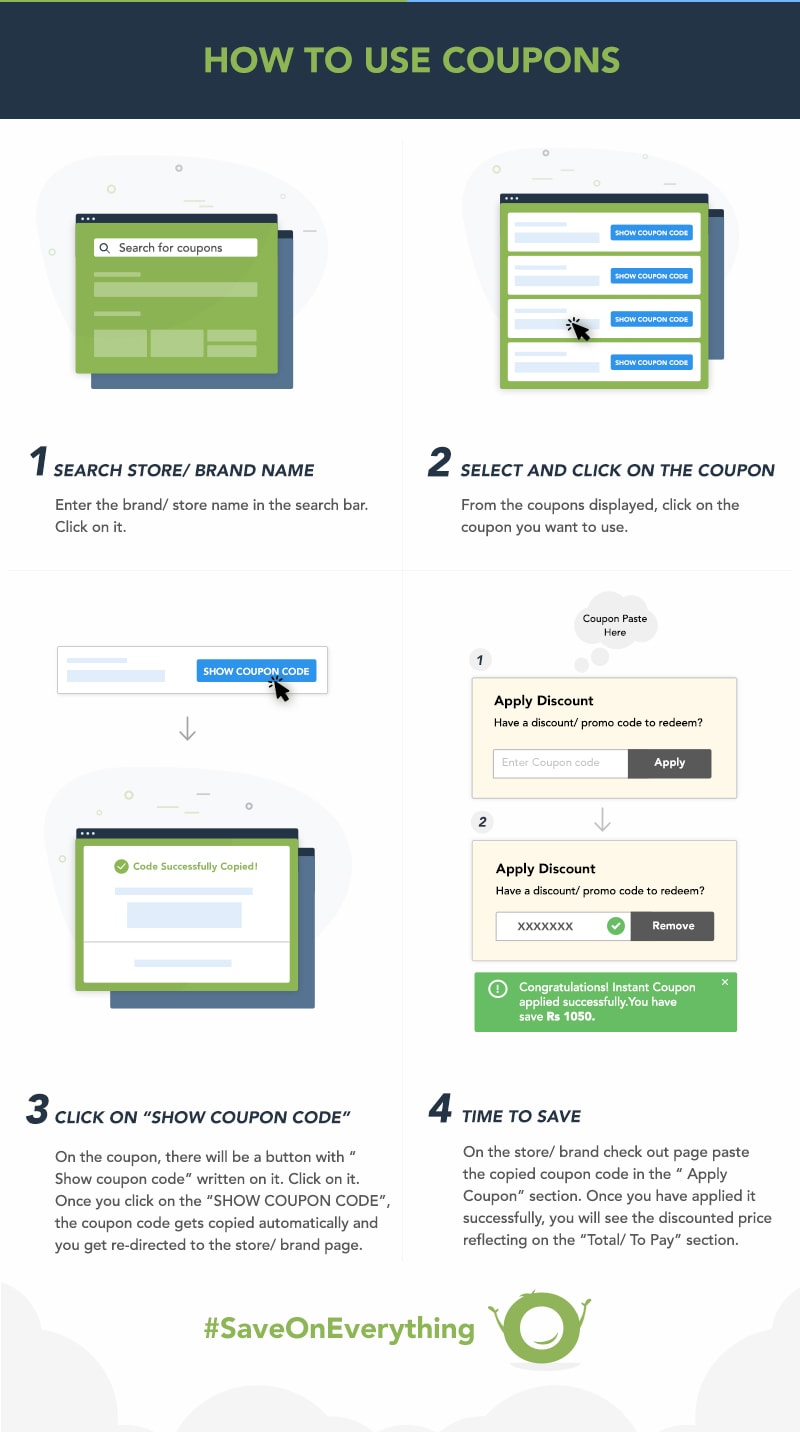
How To Use Amplitude Coupons On GrabOn?
Filters
USER TYPES
Categories
-
AI Software

More About Amplitude
Coupons Info
-
Coupons & Offers
:7
-
Verified
:7
Coupons You May Like

SITEWIDE OFF
Signup Now For Best Plans Starting At $14 Per User Per Month

FLAT 20% OFF
Annual Subscription Plan - Flat 20% OFF
Coupons from Similar Stores
Popular Stores

Subscribe Now
Get The Latest & Best Coupon/Offer Alerts
