



WebCatalog Coupon Code
Best 7 Coupons & Offers last validated on September 20th, 2026
- All (7)
- Offers (7)
Existing User
- All (7)
- Offers (7)
Flat 20% OFF On Annual Subscripion
- Get a flat 20% OFF on an annual subscription.
- The price starts from Rs 350 per month.
- Available plans:
- Basic Plan
- Pro Plan
- Business Plan
- Visit the site for more details.
Download Browser picker for macOS For Free
- Get a free Browser picker for macOS
- It offers:
- browser, browser profile, or email client to use whenever you click a link
Signup Now & Get A Free Trial On WebCatalog
- Subscribe now and get a free trial on WebCatalog
- A minimum cart value is not required
- It includes -
- Up to 2 apps & games per device
- Up to 2 spaces per device
- Up to 2 subspaces (accounts) per app
- Up to 2 subspaces (accounts) per space
- Valid for new users only
Lifetime Access Plan Starts At Best Price
- Get a lifetime Access Plan starts an unbeatable price
- The price starts at Rs 7351
- Features include -
- Menu bar (tray) integration
- Ads & tracker blocker
- App lock
- Location services
- Email support
- Chat support
- Offer is accessible to all users
WebCatalog Offers & Discount Codes
Yearly Pro Plan Starts From Rs 350 Per Month
- Choose now & get a yearly pro plan starting at the best price.
- Price starts from Rs 350 per month.
- It includes -
- Unlimited apps & games
- Unlimited spaces
- Unlimited subspaces (accounts)
- Menu bar (tray) integration
- Ads & tracker blocker
- App lock
Yearly Business Plan - Starts @At Rs 525/month
- Upgrade now for the annual business plan starts at a low price
- Pricing starts at Rs 525/month
- Essential features -
- Shared spaces
- Shared app library
- Roles & permissions
- Centralized billing
- Valid for all users
Get Business Monthly Plan Starts At Rs 437.50 Per Month
- Get the Business Monthly Plan starts at Rs 437.50 per month
- Available features -
- Ads & tracker blocker
- App lock
- Location services
- Cloud backup & sync
- Wallpapers
- Email support
- Chat support
- Applicable for all users
Latest WebCatalog Coupon Codes & Promo Code For Sep 2026
| Category | WebCatalog Coupons & Offers |
| Annual Subscripion | Flat 20% OFF |
| Lifetime Access Plan | Starting @ Rs 6999 |
| Yearly Pro Plan | Starts From Rs 350 Per Month |
| Business Monthly Plan | Starts At Rs 437.50 Per Month |
| Signup Offer | Get A Free Trial |
About WebCatalog
WebCatalog solves a clutter problem that almost everyone with a laptop recognises: too many web apps living in too many browser tabs, all sharing the same login and bleeding into each other. It is a desktop app that turns any website into a standalone app on your Mac or Windows machine, each with its own window, sessions, notifications, and shortcuts. The company was founded by Quang Lam with a small team, and the tool has grown from a single-purpose app wrapper into a wider toolkit for managing web apps and accounts. The pitch is simple. Stop drowning in tabs and run your web tools like real apps.
For an Indian user juggling work and personal accounts, the appeal is order and separation. You can keep two Gmail logins, a work Slack and a personal one, or several client accounts cleanly apart, each in its own app rather than fighting over one browser session. The platform organises these into workspaces it calls Spaces, so you can group everything for one project or client together. The value is the time and friction it removes from switching contexts, not a discount.
The plan ladder is short and freemium. A free Basic plan covers a couple of apps, Spaces, and profiles to try the idea, then the Pro plan opens up unlimited apps and advanced features, and the Business plan adds team and collaboration tools. There is no lifetime option in the standard ladder, so the real question is whether the monthly or yearly time saving is worth the recurring fee for how heavily you live in web apps. A light user may never need to pay; a power user with many accounts gets clear value from Pro.
Because WebCatalog is a foreign-registered software company charging a fee to an Indian buyer, a paid plan is a cross-border digital purchase, and the usual India rules apply. The supply attracts OIDAR GST at 18 percent IGST under Section 14 of the IGST Act 2017 for a personal buyer, while a GST-registered business handles it under cross-border reverse-charge per Section 9(3) CGST and can claim input credit. Payment runs on an international-enabled card under FEMA rules for foreign spends, saved cards follow the RBI tokenisation directions, and the DPDP Act 2023 plus the IT Act 2000 cover the account data the platform syncs. Confirm the live plan price and the tax line on the webcatalog.io checkout before you subscribe.
What WebCatalog Does
WebCatalog is one tool with a few connected jobs, and which feature matters most depends on whether your pain is tab clutter, juggling multiple accounts, or keeping work and personal worlds apart. The core idea runs through all of them: treat web apps like real apps. Here is the shape of what it handles.
Turning Websites into Desktop Apps
The original job is wrapping any website into a standalone desktop app with its own window, dock or taskbar icon, notifications, and keyboard shortcuts. Instead of one more tab in an overloaded browser, your email or project tool becomes a focused app you switch to directly. This cuts the constant tab-hunting that eats attention. For anyone who lives in a few key web tools all day, having them as separate apps is a genuine focus win.
Workspace Spaces
Spaces let you group apps and accounts by workflow, so everything for one client, project, or context sits together and apart from the rest. You can switch from your work Space to a personal one and the right set of apps and logins comes with you. For a freelancer juggling clients or anyone splitting work and personal life on one machine, this separation is the standout feature. Set up a Space per context and the clutter organises itself.
Multi-Account Switching
One of the most practical features is running multiple accounts of the same service side by side, separate sessions for two Gmail logins, a work and a personal Slack, or several client dashboards. Normally a browser forces you to log in and out or use clumsy profiles; WebCatalog keeps each account in its own app with its own session. For anyone with more than one account anywhere, this alone can justify the tool. No more logging out to switch.
The App Catalog
WebCatalog includes a curated catalog of desktop apps, with ready-made wrappers for popular services like ChatGPT, Gmail, Slack, and Microsoft Teams, so you do not have to set each one up by hand. You browse the catalog, add the apps you use, and they are configured for you. This makes setup quick rather than fiddly. The catalog is the easy on-ramp, especially for the common tools most people already rely on.
Privacy and Security Features
The Pro plan adds ad and tracker blocking inside your app windows, app lock with a password or Touch ID, and cloud sync of your setup across devices. For a privacy-minded user, the blocking and the app lock add real value beyond the organisation. The cloud sync means your carefully arranged Spaces follow you to another machine. These features lift the tool from a tidy-up utility into something a power user leans on daily.
Cross-Platform on Mac and Windows
WebCatalog runs on both macOS and Windows, so it suits a mixed setup or someone who moves between machines. The cloud sync on Pro keeps your apps and Spaces consistent across them. For a user with a Mac at home and a Windows machine at work, that consistency matters. Check the feature parity between platforms if you rely on a specific capability, since some tools differ slightly across operating systems.
Matching the Plan to How You Work
How much WebCatalog you need depends on how many apps and accounts you run. A casual user with two or three tools may live happily on the free Basic plan, while a power user with many accounts and a need for blocking, app lock, and sync gets clear value from Pro. Buying Pro when Basic covers you is wasted money; staying on Basic when you are constantly hitting its limits is false economy. Match the plan to your real app and account count.
Stack the value here by testing the free Basic plan first, then upgrading to Pro only if you genuinely hit its limits, and paying annually if the tool earns its place in your daily flow. The paid plan sits under the OIDAR GST 18-percent IGST overlay for an Indian buyer, with reverse-charge for a registered business under Section 9(3) CGST, so factor the tax into the true rupee cost. Verify the current plan limits and tax on the webcatalog.io workflow before you subscribe.
Best WebCatalog Offers Available on GrabOn
WebCatalog offers cluster around the plan ladder and the billing cycle rather than rotating coupon codes, and the steadiest saving is the free tier plus annual billing, not a one-off discount. The list below covers the recurring offer shapes. Depth and eligibility shift, so treat every figure as a reference point and confirm it on the live webcatalog.io checkout.
| Offer Type | Scope | Reference Detail | Notes and Conditions |
|---|---|---|---|
| Free Basic Plan | On a new WebCatalog account | Up to a couple of apps, Spaces, and profiles per app at no cost | The right way to test the tool before paying; no card needed to start |
| Pro Plan | For a power user with many apps and accounts | Around 4 US dollars a month for unlimited apps, Spaces, and profiles | Adds ad and tracker blocking, app lock, and cloud sync; the main paid tier |
| Business Plan | For teams and organisations | Around 6 US dollars a month with added collaboration and workflow tools | Worth it for a team; overkill for a solo user who only needs Pro |
| Annual Billing Discount | On switching a paid plan from monthly to yearly | The yearly price typically works out cheaper per month than monthly | Worth it only if you will use the tool all year; verify the annual rate |
| First-Order New-User Offer | On a new account placing its first paid order | An occasional welcome discount, sometimes by email | Verify the current new-user code and any condition at checkout before commit |
| Seasonal SaaS Discount | During Black Friday, Cyber Monday, and year-end | The deepest annual-plan discounts of the year tend to land here | Time an annual upgrade to these windows; verify the current seasonal offer |
| Enterprise Plan | For larger organisations needing SSO and provisioning | Custom pricing with SSO, SCIM, advanced security, and a dedicated manager | Negotiated with the WebCatalog team; not a self-serve plan |
| Cross-Border GST and Card Scope | On an Indian card buying this foreign digital plan | The dollar price converts at the card rate with OIDAR IGST 18 percent added for a personal buyer | A registered business uses reverse-charge under Section 9(3); factor IGST and forex into the rupee total |
The figures above reflect publicly cited 2026 plan patterns and can shift with each pricing update, so confirm the current plan and any active code on the webcatalog.io workflow plus the live listing here. The best single saving for a steady user is annual billing on the Pro plan once you know you will use it all year, since paying monthly for a daily-use tool quietly costs more. The free Basic plan is genuinely usable for a light user, so do not pay until you have hit its limits. Stack a first-order code, the annual cycle, and a seasonal window for the lowest landed price.
How to Apply a WebCatalog Coupon
Applying a coupon on WebCatalog is quick, with the promo field on the plan checkout rather than inside the desktop app, so you redeem it when you upgrade. The steps below cover a typical Indian-buyer purchase, including the tax and card points that trip people up on a cross-border subscription.
- Open the GrabOn /webcatalog-coupons/ listing and check the current active offer scope. Copy the code that fits your buy, whether a first-order welcome code or an annual-plan discount.
- Download WebCatalog from webcatalog.io, install it on your Mac or Windows machine, and use the free Basic plan first to see if the tool fits your workflow.
- When you decide to upgrade, open the account or pricing page and choose between Pro and Business based on whether you need team features.
- Pick the billing cycle, since annual usually costs less per month than monthly for a tool you use daily.
- On the checkout summary, find the field labelled "Promo code" or "Have a coupon" and paste the copied code exactly, keeping its case.
- Apply the code and watch the total update. Confirm the discount appears before you continue, since some codes work only on first orders or on annual plans.
- Review the full charge, including the OIDAR GST 18-percent IGST line and any forex conversion, so the rupee total matches what you expected for a foreign purchase.
- Pay with an international-enabled card, clear the two-factor authentication step, save the invoice, and note the renewal date since the plan auto-renews.
The discount should show on the WebCatalog order summary before payment, so do not pay if the line has not updated. If the code refuses to apply, the troubleshooting section below covers the common reasons. Once the purchase clears, the Pro or Business features switch on across your account and sync to your installed app straight away.
WebCatalog Sale-Window Calendar
WebCatalog prices on a steady plan ladder rather than a festival rhythm, but the discount depth on annual plans rises and falls with the global SaaS calendar. Knowing the windows helps you time an annual upgrade rather than locking in at full price. The dates below follow the software-sale calendar, since this is a foreign tool rather than an India-festive brand.
Black Friday and Cyber Monday (Late November)
This is the peak of the SaaS discount year, and most subscription tools, WebCatalog included, run their deepest annual-plan offers here. If you have tested the free plan and decided Pro fits your workflow, this window is usually the cheapest time to commit to a year. Plan the upgrade for late November rather than buying an annual plan in a quiet month at full price. Verify the current seasonal offer, since depth varies year to year.
Year-End and New-Year Window
Through late December and into January, software deals carry over from Black Friday and many tools run new-year offers as users reset their setups for the year. For a professional reorganising their workflow at the start of the year, this aligns with the planning instinct. Verify the current year-end offer on the store, since depth fades as the holiday push winds down. A new-year reset is a natural time to commit to Pro.
Back-to-Work and Productivity Season
Around the start of the year and after major holidays, productivity tools see a usage spike as people reorganise how they work. WebCatalog does not always run a formal seasonal sale here, but this is when the value of a tidier setup is most felt. If you are decluttering your digital life anyway, this is a sensible time to set up Spaces and consider Pro. Try the free plan during this push before deciding.
Indian Festive Overlap
A foreign SaaS tool does not run Diwali or Republic Day codes the way a domestic brand does. The convenient part is that the Diwali-to-year-end stretch overlaps the global Black Friday season, so an Indian buyer can ride the same annual-plan discounts during the home festive period. There is no need to wait for a local festive code the tool is unlikely to issue. Judge any offer on the actual saving on the Pro or Business plan.
Buying Off-Peak the Smart Way
Outside the big windows, the disciplined play is to run on the free Basic plan or a monthly Pro plan and only lock in annual when a seasonal discount lands or your usage clearly justifies the year. A monthly plan you can cancel is cheaper than an annual plan you stop using in a couple of months. Verify current pricing on the webcatalog.io workflow before you commit either way.
The tool promotional cadence rides the SaaS sale calendar plus any first-order code, so confirm the current offer on the webcatalog.io workflow and the live listing here. Time an annual upgrade to a seasonal window for the best landed value, and remember the OIDAR IGST applies whatever the discount depth.
Payment, GST, and Card Notes
Paying WebCatalog from India is a cross-border dollar transaction, so a few things behave differently from a domestic checkout. Get these right and the purchase is smooth; miss one and the card declines or the rupee total surprises you. The points below cover the card, the tax, and the renewal side of a subscription.
International Cards and Cross-Border Charge
WebCatalog charges in US dollars, so you need a card enabled for international online transactions. A domestic-only card will be declined at the payment step. The dollar amount converts to rupees at the card network rate on the billing day, so the exact figure shifts a little with the exchange rate each cycle. On a low monthly fee the conversion is small, but on an annual plan it applies to the whole year at once.
OIDAR GST on the Invoice
As a cross-border digital service to an Indian consumer, the supply attracts OIDAR GST at 18 percent IGST under Section 14 of the IGST Act 2017, which should appear on the invoice. A personal buyer pays this on top of the converted dollar price. A GST-registered business instead accounts for it under cross-border reverse-charge per Section 9(3) CGST and can claim input credit, which matters if you are expensing the tool for work. Read the invoice tax line so you know the true rupee cost.
Forex Markup and Card Choice
Most Indian cards add a forex markup of a couple of percent on international spends, on top of the conversion rate. On WebCatalog low monthly fee the markup is minor, but on an annual plan it applies once to the full amount, so a low-forex card still saves a little. For a tool this affordable, the card choice matters less than on a pricey subscription, but it is worth using a low-forex card if you have one. Small savings compound over years of renewal.
Auto-Renewal and Tokenisation
A WebCatalog paid plan auto-renews at the end of the billing cycle, and the saved card follows the RBI tokenisation rules with their own authentication steps for recurring international mandates. Because the fee is low, it is easy to forget the renewal, so a calendar note still helps if you only wanted the tool for a stretch. The renewal charge lands on its own without a fresh prompt. Verify the current payment and tax scope on the webcatalog.io checkout before you buy.
The payment overlay applies the RBI Master Direction on Card-Tokenisation to any saved card and a two-factor authentication step on the charge. The exact card-network and issuer scope shifts, so confirm the current accepted methods and the tax line on the webcatalog.io workflow before commit.
WebCatalog Refund, Renewal, and Data
The refund and cancellation terms matter on a subscription, even a cheap one, because the cost repeats every cycle and the data syncs across your devices. Read the policies below so you know exactly where you stand if the tool disappoints or you want to stop.
Refund Window and Eligibility
WebCatalog handles refunds under its own policy, and any cooling-off or money-back terms apply from the date of charge, so a refund request needs to happen promptly rather than weeks later. Because the free Basic plan exists, the platform expects you to test the tool before paying, which can narrow refund grounds once you have used the Pro features. Check the current refund terms on the site before you subscribe, and lean on the free plan as your real trial.
Cancelling the Subscription
You cancel a WebCatalog plan from your account settings, and cancelling stops the next renewal rather than refunding the current period. After you cancel, the Pro or Business features usually run until the end of the cycle you have already paid for, then your account drops back to the free Basic limits. Cancel a few days before the renewal date, not on it, so a timing slip does not roll you into another paid cycle. Your apps stay, but the paid features lapse.
The 14-Day Cooling-Off Reference
For an Indian consumer on a digital subscription, a short cooling-off expectation of around 14 days is reasonable, though a foreign SaaS tool sets its own refund terms rather than following an Indian statutory window automatically. Treat any advertised money-back period as the binding figure and act inside it. If the tool does not fit your workflow, decide early rather than letting the subscription drift into a second cycle. The free plan means you rarely need to test on a paid plan at all.
Data Handling and DPDP Scope
WebCatalog can sync your setup and account configuration across devices on the Pro plan, and because the company is abroad, the DPDP Act 2023 cross-border-transfer scope applies to that synced data, with the IT Act 2000 also covering it. The tool wraps your web app logins, so your actual account credentials live with each service, but your WebCatalog configuration syncs through the platform. Check the data and sync terms before enabling cloud sync if you are privacy-conscious. Verify the current data terms on the webcatalog.io workflow before relying on sync.
Grievance and Consumer Protection
For an Indian buyer, the Consumer Protection Act 2019 and the E-Commerce Rules 2020 apply even on a cross-border digital buy. If a billing or refund dispute arises and the support route stalls, raise it through WebCatalog support and your card issuer chargeback process, keeping the invoice and correspondence. Verify the current support and grievance contact on the webcatalog.io workflow before escalating. Good records help on any cross-border subscription dispute.
The grievance route sits under the Consumer Protection (E-Commerce) Rules 2020 plus the IT Act 2000, so keep your records. Confirm the current refund-window scope, the cancellation steps, and the support contact on the webcatalog.io workflow before any refund request.
WebCatalog Basic, Pro, and Business Compared
Picking the right WebCatalog plan is mostly about how heavily you live in web apps and whether you need the team features. The ladder is short, so the choice is clearer than on many tools. Here is how the tiers actually differ and who each one suits.
Basic, the Free Tier
The free Basic plan gives you up to a couple of apps, Spaces, and profiles per app, which is genuinely enough for a light user with two or three web tools. It lets you test the whole idea, turning sites into apps and separating a couple of accounts, at no cost. For someone who just wants their email and one work tool as separate apps, Basic may be all they ever need. Start here, since there is no reason to pay before you hit the limits.
Pro, the Power-User Tier
The Pro plan, around 4 US dollars a month, opens up unlimited apps, Spaces, and profiles, plus ad and tracker blocking, app lock with a password or Touch ID, and cloud sync across devices. This is the tier for a power user with many accounts and a need for privacy features and a setup that follows them between machines. If you are constantly hitting the Basic limits or want the blocking and sync, Pro is the natural step. For most paying users, Pro is the right plan.
Business, the Team Tier
The Business plan, around 6 US dollars a month, adds collaboration and workflow tools designed for teams and organisations on top of everything in Pro. This suits a team that wants shared configurations and team management rather than a solo setup. For an individual, Business is more than you need, so do not pay the step-up unless you are managing a team. Match it to a genuine team requirement.
Enterprise, the Custom Tier
The Enterprise plan carries custom pricing and adds single sign-on, SCIM provisioning, advanced security, custom integrations, and a dedicated account manager. This is for larger organisations with IT and security requirements that the standard plans do not cover. It is negotiated with the WebCatalog team rather than bought self-serve. If your organisation needs SSO and provisioning, this is the tier; everyone else should look at Pro or Business.
How to Choose
The choice comes down to a few questions. Do you only run a couple of apps? Basic. Do you have many accounts and want blocking, app lock, and sync? Pro. Are you setting this up for a team? Business. Does your organisation need SSO and provisioning? Enterprise. Answer those honestly and the right plan is obvious, and you avoid paying for a tier above your need. Verify the current plan limits and pricing on the webcatalog.io workflow before you commit, since the ladder can change.
WebCatalog Coupon Not Working? Check These
A code that will not apply on WebCatalog is almost always one of a short list of reasons, and most are quick to fix once you know what to look for. Run through these before you give up on a coupon.
- Plan mismatch. Some codes only work on Pro, not Business, or only on an annual plan; check which plan and cycle the code covers.
- Coupon expired. Codes rotate, so grab a fresh one from GrabOn if the current code throws an error at checkout.
- New-user-only restriction. A welcome code fires only on a fresh account placing its first paid order, not on an existing subscription.
- Billing-cycle condition. A code may apply only to annual billing, not monthly; switch the cycle and it may activate.
- Already used. Codes are usually one per account, so a second attempt on the same account fails.
- Case-sensitive entry. Type or paste the code exactly as shown, since uppercase and lowercase can matter.
- Wrong field. The promo box sits on the plan checkout, not inside the desktop app; apply it when you upgrade.
- Wrong payment method. Some codes only clear on a card, not other methods, so switch payment if the discount drops at the final step.
- Region or currency tag. A code scoped to one region may not apply to an Indian-card cross-border charge; check the code terms.
- Renewal versus new purchase. Most discounts apply to a new subscription, not an automatic renewal, which bills at the standard rate.
- Network glitch. A flaky connection can drop the code application; reload the checkout and reapply on a stable line.
- Tax confusion. The OIDAR IGST 18 percent is not a code failure; it is the statutory tax added on top of the discounted price.
If the code still refuses after these checks, copy the freshest code from the live GrabOn listing and confirm it on the webcatalog.io checkout, since marketplace codes update through the day. Remember the free Basic plan means you can often test the tool fully before any code matters.
Who WebCatalog Suits, by User Type
WebCatalog is not equally useful to everyone, and the smartest way to judge it is to ask how many web apps and accounts you run and how much the clutter bothers you. The profiles below cover who gets real value and who is fine on the free plan.
The Multi-Account Juggler
For someone running several accounts of the same service, two Gmail logins, a work and a personal Slack, or multiple client dashboards, WebCatalog is a strong fit, since it keeps each account in its own app with its own session. The constant logging in and out a browser forces on you simply disappears. This is the user for whom the tool pays for itself fastest. If you juggle accounts daily, Pro is worth it for the multi-account feature alone.
The Freelancer With Many Clients
A freelancer or consultant managing several clients benefits from Spaces, grouping each client tools and logins into its own workspace that they switch between cleanly. This keeps client work separated, which matters for focus and for not mixing up accounts. The cloud sync on Pro means the setup follows them across machines. For a freelancer, the organisation is the value, and Pro delivers it. Set up a Space per client and the chaos resolves.
The Privacy-Minded User
A user who cares about privacy gets extra value from the Pro features: ad and tracker blocking inside the app windows and app lock with a password or Touch ID. For someone who wants their email or finance app behind a lock and free of trackers, these features lift the tool beyond mere tidiness. If privacy is a priority, Pro adds genuine protection. The blocking and app lock are reasons in themselves to upgrade.
The Light Casual User
Someone who runs only two or three web tools and does not juggle accounts may be perfectly happy on the free Basic plan, which covers a couple of apps and Spaces. For this user, the paid features solve a problem they do not have. There is no need to pay; Basic turns their key tools into apps and that is enough. Stay on the free plan unless you start hitting its limits, and then reconsider.
The Team or Organisation
A team that wants shared setups and team management is who the Business plan is for, with collaboration tools on top of Pro. For an organisation standardising how people manage web apps, this brings consistency. A larger organisation needing SSO and provisioning steps up to Enterprise. For a solo user, though, Business and Enterprise are more than needed, so size to whether you are actually a team. Match the tier to the team requirement.
The common thread across every profile is the same: count your apps and accounts, test the free plan, and upgrade to Pro only if you genuinely hit its limits or want the privacy and sync features. Match the plan to your real usage and WebCatalog earns its small fee; pay for Business or Enterprise as a solo user and you are over-buying.
How WebCatalog Compares
WebCatalog is one of a few ways to tame web-app clutter and manage multiple accounts, and the right pick depends on whether you want app-wrapping, a Mac app bundle, or just better browser profiles. Here is how it sits against the alternatives an Indian buyer would actually weigh.
| Option | What It Is | Where It Wins | Where It Loses |
|---|---|---|---|
| WebCatalog | Desktop app manager and workspace tool | Turns sites into apps, multi-account switching, Spaces, cross-platform, free tier | Subscription cost, OIDAR GST and forex on a foreign buy, niche if you do not juggle accounts |
| Browser profiles | Built-in profiles in Chrome or Edge | Free, built into the browser, basic account separation | Clunky switching, no app windows, no Spaces or app lock |
| Setapp | Mac app subscription bundle | Many full Mac apps for one fee, native quality | Mac-only, broader than app-wrapping, pricier |
| Standalone apps | Official desktop apps where they exist | Native, free, made by the service itself | Not every web tool has one; no unified manager or multi-account |
| Other app wrappers | Similar website-to-app tools | Comparable core idea, sometimes one-time pricing | Variable feature depth, smaller catalogs, less polish |
The honest read for an Indian buyer: WebCatalog wins when you juggle multiple accounts and want them as separate apps organised into Spaces, since browser profiles handle that clumsily and standalone apps do not exist for every tool. It loses when you only run a couple of web tools, where the free browser profiles or a standalone app cover you, or when you want a broad Mac app bundle, where Setapp does more. For a multi-account power user or a freelancer with many clients, WebCatalog fills a real gap; for a light user, the free alternatives usually suffice.
Smart Buying on WebCatalog, the Habits That Pay
The difference between a subscription that earns its small fee and one that quietly renews unused is mostly habit. A handful of routines keep WebCatalog a genuine time-saver rather than a forgotten line on your card. Here are the ones worth building.
Test the Free Basic Plan First
Before you pay, run the free Basic plan on the apps and accounts you actually use, not a throwaway test. The free tier lets you judge whether turning sites into apps and separating accounts genuinely helps your workflow. If it saves you real friction, Pro is worth it; if it does not, you have lost nothing. This single step prevents most subscription regret on a tool you might not need.
Upgrade to Pro Only When You Hit the Limits
Stay on Basic until you are actually bumping against its app and Space limits or genuinely want the blocking, app lock, and sync. Upgrading before you need to is paying for headroom you are not using. Let the limits, not the marketing, tell you when to move up. Right-timing the upgrade keeps the cost honest.
Pay Annually Only If You Will Use It All Year
The annual cycle is cheaper per month, but only if WebCatalog is part of your daily flow across the year. If you only need it for a busy stretch, a monthly plan you cancel can cost less overall. Match the billing cycle to how consistently you use the tool, not to the sticker discount on the annual price. Commit to annual once it is a daily habit.
Set a Renewal Reminder
Even a low fee adds up if it renews unnoticed for a tool you stopped using. Put a calendar note a few days before each renewal so you decide deliberately whether to continue. On a cheap subscription this is easy to forget, which is exactly why the reminder matters. Decide on purpose, not by default, each cycle.
Time an Upgrade to a Seasonal Window
If you know you want Pro for the year, the deepest annual discounts land around Black Friday and year-end, so timing the upgrade there saves over committing in a quiet month. Test on free until then, then lock in the annual plan during the window. A little patience on timing turns a small saving into a slightly bigger one. Wait for the window if you can.
None of this is complicated, and that is the point. The users who win with WebCatalog are not the ones chasing the steepest discount, they are the ones who test free first, upgrade only when they hit the limits, pay annually when it is a daily habit, and watch the renewal. Build these habits and the tool tidies your digital life without quietly draining your card.
WebCatalog Desktop App and Sync
WebCatalog is itself a desktop app, so how it installs and syncs across your machines shapes the experience. The points below cover where it lives and what that means for an Indian user.
The Desktop App on Mac and Windows
WebCatalog runs as a native desktop app on both macOS and Windows, and it is where you add apps from the catalog, set up Spaces, and manage your accounts. You install it once per machine and configure your setup there. For a user who lives on one main computer, this is the whole experience. The app is the tool, not a companion to a website, so a capable machine helps when you run many wrapped apps at once.
Cloud Sync Across Devices
On the Pro plan, your setup, the apps, Spaces, and configuration, syncs across your devices through the cloud, so a Mac at home and a Windows machine at work stay consistent. This means you set up your workspace once and it follows you. For anyone working across two machines, the sync is a real convenience. Check the sync behaviour and the data terms if you are privacy-conscious, since your configuration passes through the platform.
The App Catalog and Setup
The built-in catalog has ready wrappers for popular services like ChatGPT, Gmail, Slack, and Teams, so adding a common app is a couple of clicks rather than a manual setup. For a less common web tool, you can usually still wrap it by entering its URL. This makes building your workspace quick. Use the catalog for the popular tools and the custom-URL option for the niche ones.
Performance and Resource Use
Each wrapped app runs in its own window, which is part of the appeal but also uses system resources, so a machine with limited memory may feel the load if you run many apps at once. For a light user this is a non-issue, but a power user with a dozen wrapped apps should have a capable machine. Close Spaces you are not using to keep things light. Balance the number of open apps against your hardware. Verify the current app and sync behaviour on the webcatalog.io workflow before you build your whole setup around it.
The platform scope sits under the brand-side app and account workflow. Confirm the current desktop app, cloud sync, and catalog availability on the webcatalog.io workflow before you commit your workflow to it.
Common WebCatalog Mistakes and How to Dodge Them
Most regret with a subscription tool traces back to a small set of avoidable mistakes. Knowing them in advance is the cheapest insurance you can buy. Here are the ones that catch users most often.
Paying Before Testing the Free Plan
The biggest mistake is upgrading to Pro before checking whether the free Basic plan already covers you or whether the tool fits your workflow at all. The free tier is genuinely usable, so test it first. Users who pay upfront sometimes find the paid features solve a problem they did not have. Always run the free plan on your real apps before you commit.
Buying Business or Enterprise as a Solo User
A solo user only needs Pro, so paying the step-up to Business or chasing Enterprise wastes money on team and provisioning features you will never use. Match the tier to whether you are actually a team. The higher plans exist for organisations, not individuals. Pick Pro unless you genuinely manage a team or need SSO.
Forgetting the Renewal
An auto-renewing plan keeps billing whether you use it or not, and a low fee is easy to miss on a statement. Set a renewal reminder and decide deliberately each cycle. Users who subscribe for a busy stretch and forget end up paying through quiet months. This one habit prevents the most common small but persistent waste.
Overloading a Weak Machine
Running a dozen wrapped apps at once on a machine with little memory can slow everything down, since each app uses resources. Match the number of open apps to your hardware, and close Spaces you are not using. A power user on an underpowered laptop can find the tool sluggish. Balance your setup against what your machine can handle.
Ignoring the Sync Data Terms
Enabling cloud sync without checking the data terms means your configuration passes through a foreign platform under the DPDP cross-border scope. For a privacy-conscious user, read the sync and data terms before turning it on. The tool wraps your logins, so understanding what syncs and what stays local matters. Check the data handling before relying on sync for sensitive setups.
Avoid these five and you avoid most of the disappointment people report with subscription utilities. WebCatalog rewards the deliberate user who tests free first, sizes the plan correctly, watches the renewal, matches the load to the machine, and checks the data terms, and quietly costs the one who does not.
Is WebCatalog Worth It?
Best for
WebCatalog is the right pick for people who juggle multiple web accounts, freelancers managing many clients, and privacy-minded users who want their web tools as separate, lockable apps organised into Spaces. If you live in several web apps all day and the tab clutter and constant logging in and out genuinely slow you down, the Pro plan at around 4 US dollars a month earns its keep. It suits the user who treats their digital workspace seriously and wants order, separation, and sync across machines.
Be careful if
Be careful if you only run a couple of web tools and do not juggle multiple accounts, since the free Basic plan, or even just browser profiles, may cover you without any subscription. Be careful too about over-buying: a solo user needs only Pro, not the Business or Enterprise tiers built for teams. For an Indian buyer, remember the OIDAR GST 18 percent IGST and the card forex sit on top of the dollar price, and if you run many wrapped apps on a low-memory machine, the tool can feel heavy. Check the cloud-sync data terms before enabling sync if you are privacy-conscious.
Best saving move
The best saving move is to test the free Basic plan on your real apps first, upgrade to Pro only when you genuinely hit its limits or want the blocking, app lock, and sync, and pay annually only once the tool is part of your daily flow. Time an annual upgrade to the Black Friday or year-end window for the deepest discount, pay with a low-forex card, and set a renewal reminder so a cheap subscription does not drift unnoticed. If you are a GST-registered business expensing it, account for the cross-border reverse-charge so the IGST is handled and credited correctly.
Frequently Asked Questions
Are WebCatalog coupons on the GrabOn listing verified this month?
Yes, the WebCatalog offer scope on the GrabOn /webcatalog-coupons/ listing covers the current September 2026 active offers on a verify-before-commit basis on the webcatalog.io checkout. Codes here tend to be first-order welcome offers or annual-plan discounts rather than rotating storewide codes, since WebCatalog prices on a short free-plus-paid ladder. Copy the freshest code from the live listing and confirm the discount appears in the order total before you pay, since plan codes can be tier-specific or annual-only.
What does WebCatalog actually do?
WebCatalog is a desktop app for Mac and Windows that turns any website into a standalone app with its own window, sessions, notifications, and shortcuts, so your web tools stop living as tabs in one browser. It also lets you run multiple accounts of the same service side by side, like two Gmail logins or a work and personal Slack, and organise apps into workspaces called Spaces. The Pro plan adds ad and tracker blocking, app lock, and cloud sync. The core value is separating and organising the web apps you use daily.
Is the WebCatalog free plan enough, or do I need Pro?
The WebCatalog free Basic plan covers up to a couple of apps, Spaces, and profiles, which is genuinely enough for a light user with two or three web tools and no need to juggle accounts. If you run many accounts, want unlimited apps and Spaces, or need ad and tracker blocking, app lock, and cloud sync across devices, the Pro plan at around 4 US dollars a month opens up all of that. Start on Basic, and upgrade to Pro only when you actually hit its limits or want the privacy and sync features.
How much does WebCatalog cost and is GST added for Indian buyers?
WebCatalog offers a free Basic plan, a Pro plan at around 4 US dollars a month, a Business plan at around 6 US dollars a month for teams, and a custom-priced Enterprise plan with SSO and provisioning. For an Indian buyer, because this is a cross-border digital service, OIDAR GST at 18 percent IGST applies on top of the converted dollar price for a personal buyer, while a GST-registered business handles it under reverse-charge and can claim input credit. Read the invoice tax line and confirm current pricing on the webcatalog.io checkout, since rates update.
Does WebCatalog auto-renew, and how do I cancel?
Yes, a WebCatalog paid plan auto-renews at the end of the billing cycle, and the saved card follows the RBI tokenisation rules for recurring international mandates. You cancel from your account settings, and cancelling stops the next renewal while the Pro or Business features usually run to the end of the cycle you have paid for, after which your account drops back to the free Basic limits. Cancel a few days before the renewal date, not on it, so a timing slip does not roll you into another paid cycle, and set a reminder since the fee is easy to forget.
Is WebCatalog safe for managing my accounts and data?
WebCatalog wraps your web app logins into separate desktop apps, so your actual account credentials live with each service rather than with WebCatalog, but on the Pro plan your setup configuration syncs across devices through the platform. Because the company is foreign-headquartered, the DPDP Act 2023 cross-border-transfer scope and the IT Act 2000 apply to that synced configuration data. The app lock and tracker blocking on Pro add protection on your side. If you are privacy-conscious, check the data and sync terms before enabling cloud sync, since your configuration passes through the platform.
Can WebCatalog run multiple accounts of the same app?
Yes, running multiple accounts of the same service is one of WebCatalog core features. It keeps each account in its own app with its own separate session, so you can have two Gmail logins, a work and a personal Slack, or several client dashboards open at once without logging in and out. A browser normally forces you to switch or use clumsy profiles, while WebCatalog keeps each account cleanly apart. The free Basic plan covers a couple of accounts, and Pro opens up unlimited apps and profiles.
Is WebCatalog better than just using browser profiles?
WebCatalog goes further than browser profiles by turning each web app into a standalone desktop app with its own window, notifications, and shortcuts, and organising them into Spaces, which browser profiles do not do. Browser profiles are free and handle basic account separation, but switching between them is clumsy and there are no app windows, app lock, or Spaces. WebCatalog also adds ad and tracker blocking and cloud sync on Pro. If you only need basic separation, browser profiles suffice; if you juggle many accounts and want them as organised apps, WebCatalog is the stronger fit.
Looking for WebCatalog Alternatives?
WebCatalog turns websites into standalone desktop apps with account switching, but if the accounts you're juggling need to look like separate people online, it won't cut it. Multilogin coupons get you an anti-detect browser built specifically to isolate browser fingerprints across multiple accounts and profiles. Looking for a broader app bundle instead of just website-to-app conversion? Setapp coupons unlock a subscription giving access to 240+ Mac and iOS apps in one bundle.
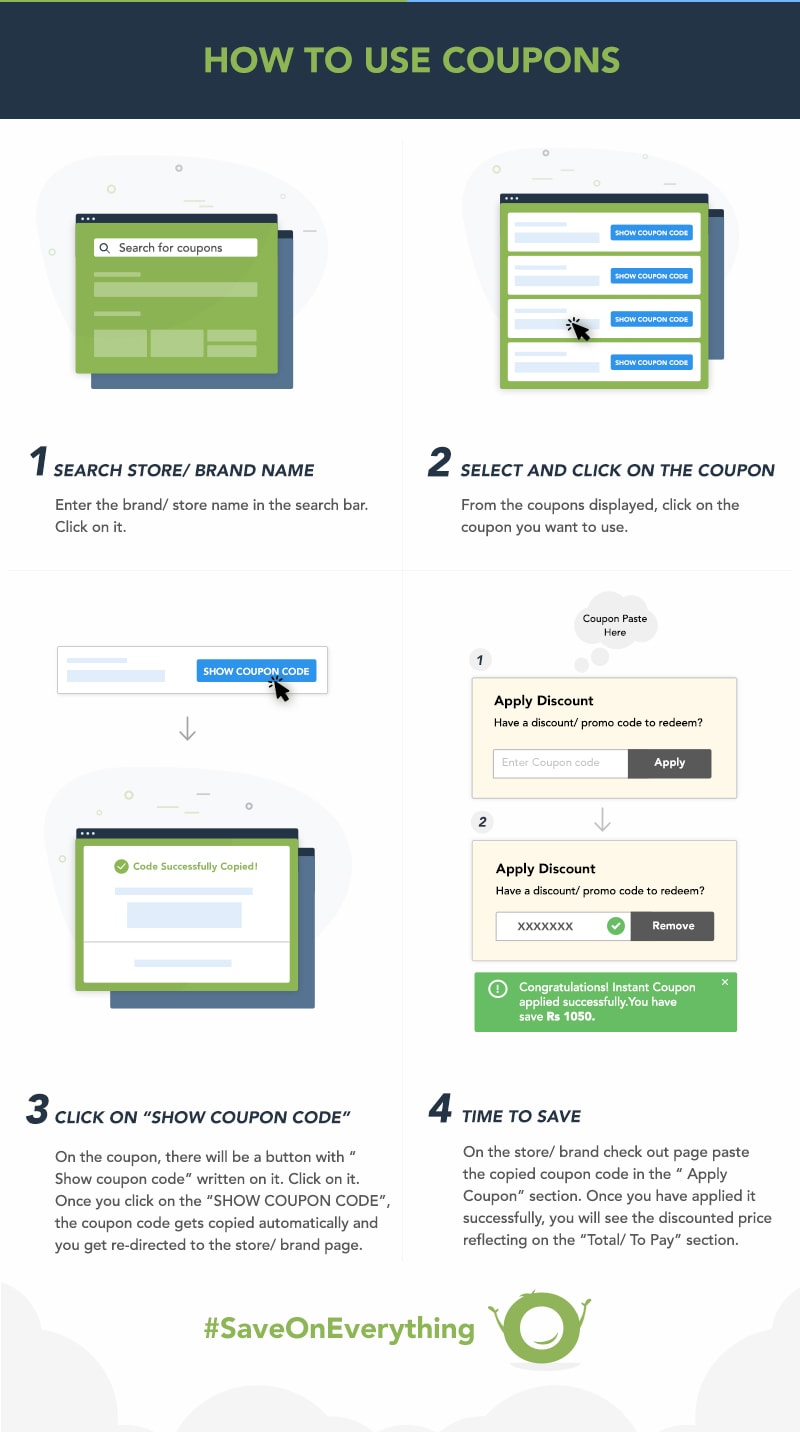
How To Use WebCatalog Coupons On GrabOn?
Filters
USER TYPES
Categories
-
SAAS
-
Software and Antivirus

More About WebCatalog
Coupons Info
-
Coupons & Offers
:7
-
Verified
:7
Coupons You May Like

Up To 85% OFF
Grab Up To 85% OFF On Contractor Plan

FLAT 25% OFF
Flat 25% OFF On Lifetime License
Coupons from Similar Stores
Popular Stores

Subscribe Now
Get The Latest & Best Coupon/Offer Alerts
