



Visit Dublin Coupons
Best 7 Coupons & Offers last validated on September 20th, 2026
- All (7)
- Offers (7)
Existing User
- All (7)
- Offers (7)
Festivals & Events Are Available In Visit Dublin | Visit Now!
- Visit the page for the best Festivals & events bookings
- Categories: music, sports, arts & cultures and more
Tours - Experience The Best Adventures Tours
- Sign up now & visit the page for the best tours
- Categories: city tour, day tour, food & drink tour and more
Grab Best Cafes Deals At Best Places
- Avail best deal for cafes at unbeatable prices
- Places available at: Bread Naturally, Sweet Churro and more
Book For Best Restaurants At Best Price
- Signup now & book for Restaurants at best prices
- Restaurants Available are: IndoChine, The Bloody Stream, Amai By Viktor and more
Top Cashback Cards

AU Small Finance Bank
LIT Credit Card
Visit Dublin Coupon Codes & Offers
Visit The Page For Best Food & Drink In The City
- Explore the page for the best food & drink in the city
- Categories: restaurants, bars & pub,s and more
Explore The Page For Arts & culture Shows
- Book now for bset Arts & culture shows
- Get to know about the world-class galleries and museums
- Categories: dinner show, best street art, top pubs and more
Signup Now & Visit The Page For Best Bookings
- Get the best deals on all bookings at best prices
- Categories: art & culture, food & drinks and more
Latest Visit Dublin Coupons & Promo Codes For Sep 2026
| Category | Visit Dublin Coupon Codes & Offers |
| Festivals & Events Tickets | Book Now |
| Tours | Experience The Adventures Tours |
| Cafes Deals | Visit The Page For @Best Deals |
| Book For Best Restaurants | Starting At @Affordable Price |
| Food & Drink | Avail From Best Resturants |
About Visit Dublin and the Pass
Dublin packs a lot into a small, walkable centre. The Guinness Storehouse, EPIC The Irish Emigration Museum, Dublin Castle, the cathedrals, the Jameson Distillery, and the Book of Kells all sit within a short stretch of each other, and a first-time visitor can rack up a long ticket bill in two or three days. That is the gap the city attraction passes fill. Visit Dublin is the official tourism brand for the city, and the passes a traveller actually pays for sit under it: the Dublin Pass, which is run by Go City, and the DoDublin Days Out Card, run by the Dublin Bus tourism arm.
The idea behind both is simple. Instead of buying entry to each sight one ticket at a time, you buy one pass that bundles several and pay less than the sum of the parts. Go City reports savings of up to 50 percent across its Dublin pass range when a visitor uses a few of the bigger attractions, and the DoDublin card bundles six cultural sites for roughly a quarter to forty percent off the combined gate price, depending on the live offer. For a traveller from India who is flying in for a packed long weekend, that bundling is the point.
This is a travel product, not a financial one, and that shapes the whole page. You are buying admission and a bus tour, paid in euros to an overseas seller, and used in Ireland. So the parts that matter for an Indian buyer are different from a domestic coupon page: which format suits your itinerary, what it covers, how you redeem it on your phone, and the cross-border bits, the Ireland visa, the forex on your card, and the tax check before you pay. All of that sits in its own section below.
One thing to set straight early. A Dublin attraction pass is not the same as an overseas tour package, and that distinction can change the tax treatment, which the payment section covers. The pass is a stack of pre-booked entries you use yourself, on your own schedule, with no flights or hotels attached. Keep that frame in mind, because it affects both how you pay and how you should judge the value against booking each ticket on its own.
For an Indian traveller, the relevance is direct. Ireland is a popular add-on to a UK or Europe trip, and Dublin is usually the first or only Irish city on the list. If your plan already includes the Guinness Storehouse, a hop-on hop-off loop to get your bearings, and two or three museums, a pass almost always beats single tickets. If you only want one big sight and a pub crawl, it may not. The sections that follow give you the format breakdown and the value math to make that call.
It also helps to know who is behind each product, since that tells you where to verify a price or a code. The Dublin Pass is operated by Go City, the global city-pass brand that runs similar passes in cities worldwide, so its terms, app, and promo behaviour match what you might have seen on a London or New York pass. The DoDublin card comes from the Dublin Bus tourism side, which is why the hop-on hop-off and the cultural bundle feel locally run. When you check a live price or a code, go to the operator behind the pass you want, Go City for the Dublin Pass and DoDublin for the Days Out Card, rather than a generic reseller.
There is also a planning rhythm that suits an Indian trip in particular. The visa comes first, the dates settle around it, and only then does the pass purchase make sense. Booking a dated pass before you know your travel window will hold is the most common way travellers waste money on this product, since a missed date can mean a missed pass. The page is ordered the same way on purpose: understand the pass, then read the visa and payment sections, then buy. Treat the discount as the last thing to chase, not the first.
What the Pass Covers
The two passes work differently, and picking the right one starts with knowing what each includes and how it is structured. The Dublin Pass by Go City comes in three formats, the DoDublin card is a single fixed bundle, and both lean on the same handful of marquee Dublin sights. Here is how the pieces fit.
Dublin Pass Essentials format
The Essentials format is the lightest of the three Go City options. It covers three attractions, structured as one guided experience plus two more of your choice, which makes it the right fit for a short stay where you only plan to hit the headline sights. It is the cheapest entry point into the Dublin Pass range, so if your list is genuinely three things, this is the one to price first before paying for a bigger bundle you will not finish.
Dublin Pass Explorer format
Explorer is the credit-based middle option. You pre-buy a set number of attraction credits, three, four, five, or seven, and spend them on any of roughly 31 participating sights, museums, and tours at your own pace. The pass is fully digital and the credits are flexible, so a couple who wants to mix two distilleries, a castle, and a museum over two days can pick exactly that. A few attractions, such as the Roe and Co Distillery and a nighttime city bus tour, sit only on the Explorer pass, so check the current credit list before you buy.
Dublin Pass All-Inclusive format
All-Inclusive is the unlimited-entry option, covering around 35 attractions over a chosen window of one, two, three, four, or five consecutive days. You are not counting credits here; within your day window you can enter any included sight. This format rewards a packed itinerary. If you plan three or four paid attractions a day, the per-sight cost drops fast and the saving against single tickets is at its highest. For a slower trip, the credit-based Explorer usually works out better value.
DoDublin Days Out Card
The DoDublin Days Out Card is a fixed six-attraction bundle covering St Patrick's Cathedral, EPIC The Irish Emigration Museum, Dublinia, Christ Church Cathedral, the Museum of Literature Ireland, and the Little Museum of Dublin. The saving sits around 25 to 40 percent off the combined gate price depending on the live offer, and the card stays valid for one visit to each site any time up to the end of the calendar year you buy it in. That long validity is its quiet advantage for anyone whose dates might shift.
Hop-on hop-off bus tour and skip-the-line
The Dublin Pass includes a one-day hop-on hop-off bus tour, which is the easiest way to get your bearings on day one and reach the sights spread a little wider than the centre. Many included attractions also offer skip-the-line or fast-track entry on the pass, which matters at the Guinness Storehouse, where queues run long in peak months. The bus loop plus skip-the-line is a real part of the value, not a throwaway add-on, especially on a tight schedule.
Top attractions and the Go City app
The marquee names carry both passes. The Guinness Storehouse, with its self-guided tour and a pint at the Gravity Bar, sits on the Go City passes, and EPIC The Irish Emigration Museum features on both the Dublin Pass and the DoDublin card. Jameson Distillery, Dublin Castle, Malahide Castle, and the GPO Witness History exhibition round out the bigger draws. Everything runs through a phone: download the Go City app, sync the pass, and show the QR code at each entrance. There is no paper ticket to carry or lose.
A word on how the two products differ in spirit, since it changes who should buy which. The Dublin Pass is built for movement, a few big-hitter sights plus a bus tour, and it rewards a traveller who wants the famous names in a couple of busy days. The DoDublin card is built for depth, six cultural sites you can take slowly across weeks if you like, with no day-window pressure. Neither is better in the abstract. The right one is whichever matches the trip you are actually taking, and a quick read of your own itinerary settles it faster than any review can.
One more practical note on inclusions. The attraction list on each pass changes from time to time as Go City and DoDublin add or rotate sights, and a few of the most popular venues need a separate advance time slot even though the pass covers entry. So a pass tells you what is paid for, not always when you can walk in. Check the current list and the booking notes on each sight before you build a tight day plan, especially for the Guinness Storehouse and the distilleries, which sell out their peak slots in the summer months.
Best Visit Dublin Offers
The offers here are less about a single coupon and more about which pass you pick and the promo layered on top, since the saving is built into the bundle. A verified Dublin Pass promo of around 10 percent has circulated for online orders, on top of the pass discount itself. Below is the shape of the offer shelf, from the lightest pass to the full bundle, with the cross-border note folded in. Treat the figures as cited patterns, not quotes, and confirm them on the live site.
| Offer Type | Scope | Reference Detail | Notes and Conditions |
|---|---|---|---|
| Dublin Pass Essentials | Short stay, three attractions | One guided experience plus two chosen sights | Cheapest Go City entry; best when your list is genuinely three things |
| Dublin Pass Explorer | Flexible mid-trip, credit based | 3, 4, 5, or 7 credits across about 31 sights | Credits are flexible; some sights are Explorer-only; check the live list |
| Dublin Pass All-Inclusive | Packed itinerary, unlimited entry | About 35 attractions over 1 to 5 consecutive days | Best per-sight value when you visit 3+ paid attractions a day |
| DoDublin Days Out Card | Six cultural sites bundle | Roughly 25 to 40 percent off combined gate price | Valid one visit each until calendar year-end; dates can shift |
| Verified Promo Code | Online pass orders | Around 10 percent off on top of the pass discount | Online-only; cannot combine with other sales; verify current code |
| Hop-on Hop-off Bus Tour | Included on the Dublin Pass | One-day sightseeing loop across the city | Best used on day one; helps reach wider-spread sights |
| Skip-the-Line Entry | Select attractions on the pass | Fast-track at busy sites like the Guinness Storehouse | Some marquee sights still need advance time-slot booking |
| Forex and TCS on the Fee | Indian traveller paying in euros | Card forex markup applies; TCS rules need a check | A standalone pass may not be a tour package; verify with your bank or CA |
The figures and tiers above reflect publicly cited 2026 patterns and can change with each update, so confirm the live pricing, the attraction list, and any active promo on the Go City or DoDublin site before you commit. The verified 10 percent code applies to online orders only and will not stack with another sale, so do not expect to layer two discounts. GrabOn keeps this listing aligned with what is on the current offer shelf, so check the live page first and pull the freshest code rather than reusing an old one.
How to Book and Redeem
Booking a Dublin pass is a phone-first job from start to finish, and the order below keeps it clean. Buy online for the discount, redeem through the app, and book the few sights that need a time slot ahead of your visit. Here is the sequence that works.
- Open the Visit Dublin listing on GrabOn and check the current offer scope. Note any verified promo code that fits the pass format you want.
- Go to the Go City Dublin page or the DoDublin site and pick your format: Essentials, Explorer, or All-Inclusive for the Dublin Pass, or the fixed six-site Days Out Card.
- Confirm the attraction list against your itinerary before you pay, since some sights sit only on the Explorer pass and others need their own advance slot.
- At the checkout step, find the promo code field and enter the copied code exactly, keeping its case, then check that the fee drops before you continue.
- Review the full charge, including the euro fee, the forex conversion, and any markup your card adds, so the rupee cost is clear for your records.
- Pay with an international-enabled card and complete the bank authentication, then save the order confirmation and the invoice.
- Download the Go City app, sign in, and sync your pass so the QR code is ready offline before you land in Dublin.
- Pre-book any time-slot sights, the Guinness Storehouse and Jameson Distillery often need advance booking, then show the app QR code at each entrance to get in.
The discount should show on the order summary before you pay, so do not complete payment if the fee line has not changed. If a code refuses to apply, the troubleshooting section further down covers the usual reasons. And buy online even if you are already in Dublin, since the discount applies to online sales and you can collect or activate the pass at a city-centre or airport desk if needed. Keep the confirmation email and the app login somewhere safe, because that is your proof of purchase if a sight cannot read the QR code on the day.
A quick note for groups travelling together. Each traveller usually needs their own pass synced to their own phone, so a family of four buys four passes and syncs four QR codes, not one shared code for everyone. Download the app on every phone before the trip and sign in to the same account or separate ones as the seller allows, then test that each QR shows offline. Sorting this at home over good wifi beats fumbling with logins outside a busy attraction on the day. If one phone runs flat, the confirmation email is the backup, so keep it handy.
Best Time to Visit
Dublin has no festive sale calendar the way a retail store does, so the timing that matters is about weather, crowds, and when Indians actually travel. Lining your trip up with the right window does more for the experience than chasing a code does for the price. Here is how the year breaks down.
Summer, roughly June to August, is peak season. The days are long, the weather is at its kindest, and this is when most Indian families travel on the school holidays. The trade-off is crowds and higher accommodation prices, and the Guinness Storehouse queues are at their worst, which is exactly when the skip-the-line on a pass earns its keep. Book the pass and the time-slot sights well ahead if you come in these months.
The shoulder seasons, April to May and September to October, are the sweet spot for many. The crowds thin, prices ease, and the weather is still workable. The September to October stretch also lines up with the gap before the Diwali break for some travellers, and it is a comfortable time to walk the city without the summer crush. If your dates are flexible, this is where a pass-based trip feels least rushed.
The year-end window, late December into the new year, draws Indian travellers on the long winter break, and Dublin around the holidays has its own quiet charm. Days are short and cold, some attractions trim their hours, and a few close on the main holiday dates, so check opening times before you build a packed pass itinerary. The DoDublin card's validity to the end of the calendar year is worth watching here, since a card bought late in the year still needs to be used before 31 December.
There is a money angle to the calendar too. The rupee-euro rate moves through the year, and a pass bought when the euro is dearer costs you more in real terms even at the same euro price. You cannot time the currency perfectly, but it is worth glancing at the rate before a big travel spend and, if you use a forex card, loading it on a day the rate looks reasonable. For most travellers this is a small effect on a single pass, but it adds up across the flights, hotels, and passes of a full trip.
One practical timing note that sits above the season. Apply for the Ireland visa early. Short-stay visa processing can take several weeks, so the booking question is not only when to visit but when to start the paperwork, and a pass is best bought once your travel dates and visa are reasonably settled. Whatever the season, confirm the live pass price and any active promo on the site, since published prices and offers change without notice.
Payment, Forex and TCS for Indian Travellers
Paying for a Dublin pass from India means an overseas transaction in euros, and three things ride along with it: the forex on your card, the rules under FEMA for foreign spends, and the TCS question that depends on how the purchase is classed. Get these right and there are no surprises on the statement.
Start with the card. When you pay a euro fee, your bank converts it to rupees and usually adds a forex markup, often in the region of 2 to 3.5 percent on a standard card, though several zero-forex-markup travel credit cards now waive it. International card spends fall under FEMA rules for foreign payments, and they count within your annual Liberalised Remittance Scheme allowance, the LRS, which currently sits at 250,000 US dollars a financial year per person. A single attraction pass is a tiny slice of that, but it is the same framework, so it is worth knowing the bucket your spend lands in.
Now the TCS angle, which is the part to handle with care rather than assert. Under the LRS, an overseas tour package attracts TCS, Tax Collected at Source, with the much-quoted 20 percent rate kicking in above the annual threshold on tour-package spends. The open question for a Dublin pass is whether a standalone attraction pass even counts as a tour package, since it carries no flights or hotels and is just pre-booked entries you use yourself. There is a fair argument it does not, but the classification can turn on how the seller and your bank treat the charge, so do not assume either way. Check the TCS treatment with your bank or a CA before you pay, especially if you are buying several travel items together.
There is a card-type wrinkle too. The way the rules read, spends on an international credit card while abroad have been treated differently from forex-card or debit remittances for LRS and TCS purposes, and the detail has shifted across recent budgets. That is precisely why a blanket statement here would mislead. Treat the 20 percent figure as the headline tour-package rate to be aware of, not a certainty on a single pass, and confirm what actually applies to your card and your purchase with your bank.
If you save the card for any recurring travel charge, the saved card follows the RBI tokenisation directions, so you may need to approve the mandate and re-authenticate. Keep the invoice and the card statement together for your records. And one clean point that often gets muddled: Indian GST does not apply to a service you consume abroad. A Dublin attraction pass is used entirely in Ireland, so there is no Indian GST on the fee. The Irish side may include its own local tax in the price, but that is built into what you pay the seller, not an Indian charge. Confirm the live fee, the card treatment, and the TCS handling before you commit.
A short worked example helps make the rupee picture concrete. Say a two-day All-Inclusive pass lists at a euro figure that converts to a few thousand rupees. On a standard card with a 3 percent forex markup, you add that markup on top of the conversion, and if any TCS applies after your check, that sits on top again. The same pass bought on a zero-forex-markup travel card skips the markup line entirely, which on a family of four buying four passes is a real saving, not a rounding error. Run the numbers for your party size before you pick the card you pay with.
There is a record-keeping habit worth forming for any overseas travel spend. Save the order confirmation, the euro invoice, and the rupee card statement in one place, and note the conversion rate on the day. If you are claiming the trip against anything, or if TCS turns out to apply and you want to reconcile it later, that paper trail is what makes the filing painless. It also helps if a charge is disputed, since the seller is overseas and a clean record is your strongest position. None of this is heavy, but it saves a headache months later.
Ireland Visa and Entry for Indian Passport Holders
This is the section to read before you book anything, because an Indian passport holder needs a visa to enter Ireland, and the rules here trip up travellers who assume a Schengen visa covers it. Ireland sits in the European Union but is not in the Schengen area, so it runs its own visa system. A Schengen visa does not grant entry to Ireland, full stop.
For a short trip, the visa you want is the Irish short-stay C visit visa, meant for tourism, visiting family or friends, business meetings, or a short course, for a stay of up to 90 days. You apply before you travel, and the process asks for the usual set: a passport valid for at least six months beyond your stay, original bank statements for the last six months, proof of funds, a travel and accommodation plan, and supporting documents. Confirmed flight tickets are generally not required at the application stage, a tentative itinerary is enough, but check the current document list on the official Ireland visa pages.
Build in time. Short-stay visa processing can run several weeks, with guidance suggesting you apply six to eight weeks ahead, so the visa, not the pass, is the long pole in the tent for trip planning. Buy your attraction pass once your dates and visa are reasonably settled, since the DoDublin card and the dated Dublin Pass formats are easier to commit to when you know your travel window will hold.
There is a waiver angle, but read it carefully because it is often misunderstood. Ireland runs a Short-Stay Visa Waiver Programme tied to certain UK short-stay visas, not to Schengen visas, that can let eligible travellers who have entered the UK first come to Ireland without a separate Irish visa. The related British-Irish Visa Scheme can also let a UK visit visa endorsed for the scheme cover Ireland. These routes depend on your specific UK visa and travel order, so treat them as possibilities to verify with the embassy or VFS, not as a given. There is no Schengen-based waiver for Ireland.
Two more entry points are worth knowing. First, Ireland widened visa-free entry to a longer list of countries in 2026, but India is not on that list, so an Indian passport still needs a visa or a verified waiver route. Do not let a general news headline about Ireland easing entry lead you to skip the visa. Second, time spent in Ireland does not count toward the Schengen 90-in-180-day limit, which matters if you are combining Ireland with a longer European trip, since the two clocks run separately. Plan each leg against its own rules.
It also pays to think about the order of travel if you are doing the UK and Ireland together. The UK-linked waiver routes generally assume you enter the UK first on the qualifying UK visa, then move on to Ireland, so the sequence of your flights can decide whether a waiver even applies. If your itinerary lands you in Dublin before London, the waiver may not help and a separate Irish visa is the safer plan. Map the route and the visas together, not one after the other, so the entry side holds at every border.
The practical takeaway is to plan the visa as step one and the pass as step two. Lock the entry side, the right Irish visa or a verified waiver route, then book the pass that matches your confirmed dates. Verify the current visa requirements, fees, and any waiver eligibility on the official Ireland immigration and embassy channels before you apply, since visa policy changes and the lists were updated as recently as 2026.
Is the Pass Worth It
The honest test for any city pass is one sum: add up the gate prices of the sights you will genuinely visit, then compare that total to the pass price. If the pass costs less, it is worth it; if you are buying it to feel like a saver while visiting two things, it is not. Let us run that math the way an actual traveller would.
Take a common first-timer plan over two days. Say you want the Guinness Storehouse, EPIC The Irish Emigration Museum, the Jameson Distillery, Dublin Castle, and a hop-on hop-off loop to tie it together. Bought one by one, those five run into a sizeable euro total once you add the bus tour, and the Storehouse alone is one of the pricier single tickets in the city. An All-Inclusive Dublin Pass over two days, with the bus tour and skip-the-line baked in, typically lands below that combined total, which is where Go City's up-to-50-percent saving claim comes from. For this kind of packed plan, the pass wins clearly.
Now flip it. If your real plan is the Guinness Storehouse, a long lunch, and a pub evening, you are paying for one big ticket and some atmosphere. A pass priced for five or six attractions makes no sense there, and a single Storehouse ticket plus a separate bus ticket if you want one is the cheaper, simpler route. The pass only pays back if you actually use the inclusions, and a half-used pass is worse value than single tickets.
The format choice matters as much as the buy decision. A relaxed traveller doing two sights a day over three days is usually better on the credit-based Explorer or the DoDublin card than on All-Inclusive, since the unlimited format only shines when you cram. The Days Out Card in particular is the value pick for a culture-led trip built around the six museums and cathedrals it covers, and its year-long validity means a slightly loose itinerary will not waste it. Match the format to your pace, layer the verified online promo, and the pass is worth it for most first-time Dublin trips with three or more paid sights.
There is a hidden value in the inclusions that the headline saving misses. The hop-on hop-off bus tour is not just transport; on a first day it doubles as a quick orientation of where everything sits, which saves you wrong turns and taxi fares later. The skip-the-line entry is the other quiet win, since at the Guinness Storehouse in July a saved hour is worth more than a few euros. When you run the math, count these soft savings too, not only the ticket prices, because a pass that saves you time on a tight trip is doing real work even before you tally the discount.
Run the downside honestly as well. The risk with any pass is buying more than you use, and the two ways that happens are over-buying the format and under-using the days. An All-Inclusive pass with a tight day window forces a pace that not every traveller enjoys, and a tired afternoon you skip is value left on the table. If you suspect you will move slowly, the credit-based Explorer protects you, since unused credits are a smaller waste than an unused unlimited day. Be realistic about your own travel energy, especially with children or older parents in the group, and size the pass to the trip you will actually take.
Pass Not Working or Code Not Applying
A pass code that will not apply, or a QR that will not scan, usually fails for a plain reason rather than a fault. Run through these before you give up on an offer or worry at an attraction entrance.
- The promo code is online-only. Discounts apply to online sales, so a code will not work if you are trying to buy in person at a desk. Buy online first, then collect or activate the pass.
- The code cannot stack. Go City terms say a promo code will not combine with another online sale or promotion, so the code may reject if a sale is already applied.
- Wrong pass or format. A code may be tied to a specific pass or format, so check it covers the Dublin Pass or DoDublin card and the tier you picked.
- The code is expired. Pass offers run on their own timing, so pull the freshest code from the live listing rather than reusing an old one.
- Case and spacing. Type the code exactly as shown with no trailing space, since the field can read a stray space as a wrong code.
- Currency or region mismatch. If the order page is set to the wrong currency or country, a code meant for a euro order may not apply, so set the page to the Dublin order before entering it.
- International card declined. A foreign euro charge can be blocked by your bank as a fraud check, so enable international use on the card or call the bank before retrying.
- Forex or limit issue. A card near its international limit, or one not enabled for cross-border spends under FEMA, can fail at authentication, so use a card cleared for foreign use.
- App not synced. If the QR will not show at an attraction, open the Go City app and re-sync the pass while online before you reach the entrance.
- Sight needs a time slot. The pass is valid but a popular sight like the Guinness Storehouse needs an advance booking, so the entry may be refused without a reserved slot, not because the pass failed.
- Credits already spent. On the Explorer pass, an entry can be refused if your credits are used up, so check the remaining credit count in the app.
- Validity window passed. A dated pass or the year-end DoDublin card can lapse, so confirm the pass is still inside its valid days or the calendar year before you arrive.
If the code still refuses after all that, the offer has probably lapsed or does not fit your pass. Check the live listing for the current valid code, and for a scanning problem at a sight, the Go City or DoDublin support line is the fastest fix, since they can verify the pass on their side.
Who the Pass Suits
A Dublin pass is not for every traveller, and the fit comes down to how many paid sights you will see and at what pace. Here are the profiles where it pays back and where single tickets are the smarter call.
The first-time family on summer holidays
A family doing Dublin over a packed two or three days in the summer break is the textbook fit for the All-Inclusive Dublin Pass. The Guinness Storehouse, a castle, a museum or two, and the hop-on hop-off loop add up fast at single-ticket prices, and the skip-the-line saves real time when school-holiday crowds are at their peak. Buy ahead, sync each traveller's pass to a phone, and pre-book the time-slot sights so the days run smoothly.
The culture-focused couple
A couple here for museums, cathedrals, and history rather than a long sight list is often best on the DoDublin Days Out Card. Its six cultural sites, EPIC, the two cathedrals, Dublinia, the literature museum, and the Little Museum, match exactly what this traveller wants, the saving is solid, and the year-long validity suits a relaxed pace. If they want a couple of distilleries on top, the credit-based Explorer pass is the flexible alternative.
The flexible explorer
A traveller who likes to decide on the day, mixing a distillery, a castle, and a museum without a rigid plan, fits the Explorer pass best. Pre-buying credits and spending them across about 31 sights gives freedom without the pressure of an unlimited pass's ticking day window. It is also the only format with a few exclusive sights, so an explorer who wants the Roe and Co Distillery or the night bus tour should look here.
The short-stopover traveller
Someone with a single day in Dublin, perhaps on a wider Europe or UK trip, is the one who should think twice. With time for only two or three sights, the Essentials format or even single tickets can beat a bigger pass, and the math depends entirely on which sights make the cut. Price the Essentials pass against two or three single tickets before deciding, and skip the pass entirely if your day is really one big attraction plus a walk.
The slow, one-or-two-sight visitor
The clearest no is the traveller who wants Dublin for its pubs, streets, and atmosphere with maybe one paid attraction. A pass priced for five or six sights is wasted money here, and a single Guinness Storehouse ticket plus a free wander does the job. Match the pass to a real list of paid sights, and when that list is short, single tickets win.
The repeat or layover visitor
A traveller who has done Dublin before, or who only has a half-day on a layover, rarely needs a full pass. You have likely seen the headline sights, so a single ticket to the one or two places you missed is cleaner. The exception is the DoDublin card for a returning culture lover who wants to work through the six museums slowly across a longer stay, since its year-long validity rewards an unhurried second visit. Otherwise, buy what you will use and nothing more.
Visit Dublin vs Other Booking Options
The Dublin passes are one way to book the city, but they are not the only way, and the right channel depends on how many sights you want and how you like to pay. A pass bundles and saves; a marketplace gives flexibility and reviews; buying direct is simplest for one or two sights. The table sets the main options side by side.
| Option | Best For | How It Works | India Relevance |
|---|---|---|---|
| Dublin Pass and DoDublin Card | Multi-sight trips wanting one bundled saving | One pass covers several attractions at a built-in discount | Pays back with 3+ paid sights; promo applies to online euro orders |
| Klook | Asia-based travellers booking activities | Marketplace for tickets and tours, often with app deals | Popular with Indian travellers; sometimes prices in INR |
| GetYourGuide | Single attractions with free cancellation | Books skip-the-line tickets and tours per sight | Wide Dublin coverage; flexible cancellation suits shifting dates |
| Viator | Tours and combo experiences | Tripadvisor-owned marketplace for tickets and guided tours | Strong for guided day trips beyond the city centre |
| Headout | Last-minute and mobile-first booking | Curated tickets and experiences via app | India-founded; familiar interface and INR-friendly checkout |
| Tiqets | Museum and attraction entry tickets | Mobile ticketing for individual sights | Good for one-off museum entries without a full pass |
| Buying direct | One or two specific sights | Book each attraction on its own official site | Simplest for a short list; no bundle saving but full control |
A quick word on mixing these rather than picking one. A traveller with a long sight list buys the pass for the bundle, but might still use GetYourGuide or Tiqets for a one-off that the pass does not cover, or Klook and Headout for a day trip outside Dublin. The trap is buying a full pass and then paying again for sights it already includes, so map your list against the pass inclusions first. Use the pass for the bundle, and the marketplaces only for what falls outside it.
The honest read is that the Dublin passes win on a packed multi-sight trip, while a marketplace like GetYourGuide, Viator, Headout, or Klook is the better bet for a flexible, short, or tour-led plan where you want reviews and easy cancellation. For a single big attraction, booking direct is cleanest. Pick by how many sights you will actually pay for, and let that number, not the discount headline, drive the choice.
There is one more angle that matters from India: the currency you pay in. The Dublin passes bill in euros, so the forex markup and the TCS question apply. Some marketplaces like Klook and Headout sometimes price in rupees and settle domestically, which can sidestep part of that friction, though their per-sight prices may not beat a bundle. So the choice is not only about flexibility and reviews; it is also about how the payment lands on your statement. Weigh the rupee-settled convenience of a marketplace against the bundle saving of a euro pass, and pick the one that nets out cheaper for your actual list.
Smart Ways to Buy
Buy a Dublin pass the way you would any travel spend, with the real rupee cost in front of you and the visa settled first. A pass is easy to over-buy in trip-planning excitement, so a few habits keep the decision honest. These are the ones worth building.
Settle the visa before the pass
Apply for the Irish short-stay C visa first and buy the pass only once your dates are reasonably firm. Visa processing runs weeks, and a dated Dublin Pass or a calendar-year DoDublin card is far easier to commit to when you know your travel window will hold. Locking the entry side first stops you paying for a pass tied to dates that later slip.
Count the sights, then pick the format
List the attractions you will genuinely visit and add up their single-ticket prices before choosing. A packed plan points to All-Inclusive, a relaxed culture trip to the DoDublin card, and a flexible mix to the Explorer credits. Picking the format from a real list, not a guess, is the single biggest lever on whether the pass saves you money.
Price the true rupee cost
The number on the page is a euro fee. Your real cost adds the forex markup your card charges, any TCS that applies once you have checked the treatment, and the rupee conversion on the day. Run the full figure before you compare it against single tickets, and a zero-forex-markup travel card can shave a useful slice off the total if you buy one ahead of the trip.
Buy online and layer the verified promo
The pass discount applies to online orders, and the verified promo of around 10 percent stacks on top of the bundle saving, so always buy online even if you have already landed in Dublin. Pull the freshest code from the live listing, check the fee drops before you pay, and remember the code will not combine with another active sale.
Sync the app and pre-book the busy sights
Download the Go City app and sync the pass before you travel so the QR works on the day, and pre-book the time-slot sights like the Guinness Storehouse and Jameson Distillery. A pass does not skip the advance-booking requirement at the busiest attractions, so a few minutes of planning saves a wasted trip across the city to a sight you cannot enter.
Verdict
For most first-time Dublin trips, the plain answer is that a pass is worth it when you will pay for three or more attractions, and not worth it when your real plan is one big sight and a wander. The saving is genuine, Go City cites up to 50 percent and the DoDublin card around a quarter to forty percent off, but it only lands if you actually use the inclusions. Match the format to your pace and the math usually works in your favour.
Best for: first-time visitors and families on a packed two-to-three-day itinerary covering the Guinness Storehouse, EPIC, a couple of museums or distilleries, and the hop-on hop-off loop. The All-Inclusive Dublin Pass suits a cram-it-in plan, the DoDublin card suits a culture-led trip, and the Explorer credits suit a flexible pace. Layer the verified online promo for a little extra off.
Be careful if: your real plan is one or two paid sights, in which case single tickets through GetYourGuide, Tiqets, or the attraction's own site are cheaper and simpler. Be careful too on the cross-border bits: an Indian passport needs an Irish visa, since Ireland is not in Schengen, and the TCS treatment of the euro spend deserves a check with your bank or CA before you pay.
Best saving move: settle the Irish visa first, list the sights you will truly visit, then buy the matching pass online with the verified promo applied, paid on a zero-forex-markup card. Sync the Go City app and pre-book the Guinness Storehouse slot so nothing goes to waste. Confirm the live pass price, the attraction list, and the current code on the Go City or DoDublin site before you commit, since prices and offers change without notice.
Frequently Asked Questions
Are Visit Dublin pass offers on the GrabOn listing valid and active for this month?
The Visit Dublin offer scope on the GrabOn listing covers the current month pass offers on a verify-before-commit basis on the Go City and DoDublin sites. A verified promo of around 10 percent has circulated for online Dublin Pass orders, on top of the bundle saving built into each pass. Codes apply to online orders only and will not combine with another active sale. Pull the freshest code from the live listing and check that the fee drops before you pay, since pass prices and offers change without notice.
Is the Dublin Pass worth it for an Indian traveller?
The Dublin Pass is worth it when you will pay for three or more attractions on the trip, since the bundle saving and the hop-on hop-off bus tour then beat single tickets. Go City cites savings of up to 50 percent on packed itineraries. For a slow trip with only one or two paid sights, single tickets through a marketplace or the attraction's own site are cheaper. Add up the gate prices of the sights you will genuinely visit, then compare that to the pass price before you buy.
Do Indian passport holders need a visa to visit Dublin?
Yes, Indian passport holders need an Irish visa to enter Dublin, because Ireland is in the European Union but not in the Schengen area, so a Schengen visa does not cover it. For a short trip you apply for the Irish short-stay C visit visa, which allows up to 90 days for tourism. The process needs a passport valid six months beyond your stay, six months of bank statements, proof of funds, and a travel plan. Apply six to eight weeks ahead, since processing can take several weeks. Verify the current rules on the official Ireland visa pages.
Does TCS apply when I buy a Dublin attraction pass from India?
TCS treatment depends on how the purchase is classed, so it needs a check rather than a flat answer. Under the LRS, an overseas tour package attracts TCS, with a 20 percent rate quoted above the annual threshold on tour-package spends. A standalone attraction pass carries no flights or hotels, so there is a fair argument it is not a tour package, but the classification can turn on how the seller and your bank treat the charge. Confirm the TCS handling and your card type with your bank or a CA before you pay.
What is the difference between the Dublin Pass and the DoDublin Days Out Card?
The Dublin Pass by Go City comes in three formats, Essentials for three sights, Explorer for flexible credits across about 31 sights, and All-Inclusive for unlimited entry to around 35 attractions over one to five days, and it includes a hop-on hop-off bus tour. The DoDublin Days Out Card is a fixed six-site cultural bundle covering EPIC, the two cathedrals, Dublinia, the literature museum, and the Little Museum, valid for one visit each until the end of the calendar year. Pick the Dublin Pass for a packed list and the DoDublin card for a culture-led trip.
How do I redeem a Dublin Pass once I buy it?
You redeem a Dublin Pass through the Go City app on your phone, not on paper. After buying online, download the app, sign in, and sync your pass so the QR code is ready, then show that QR at the entrance of each included attraction to get in. Pre-book the busy sights such as the Guinness Storehouse and Jameson Distillery, since they often need an advance time slot even with a pass. Sync the app while online before you reach a sight, and keep the confirmation email as backup proof of purchase.
Does Indian GST apply to a Dublin attraction pass?
No, Indian GST does not apply to a Dublin attraction pass, because it is a service you consume entirely abroad, in Ireland. There is no Indian GST on a fee for a service used outside India. The Irish side may build its own local tax into the listed price, but that is part of what you pay the overseas seller, not an Indian charge on your end. What you do need to factor from India is the card forex markup and the TCS check, both of which the payment section covers in detail.
Can I use a Schengen visa or a UK visa to enter Ireland?
A Schengen visa cannot be used to enter Ireland, since Ireland is not part of the Schengen area and runs its own visa system. A UK visa can help in specific cases: Ireland runs a Short-Stay Visa Waiver Programme tied to certain UK short-stay visas, and the British-Irish Visa Scheme can let a UK visit visa endorsed for the scheme cover Ireland, provided you enter the UK first. These routes depend on your exact UK visa, so verify eligibility with the embassy or VFS rather than assuming, and otherwise apply for the Irish short-stay C visa.
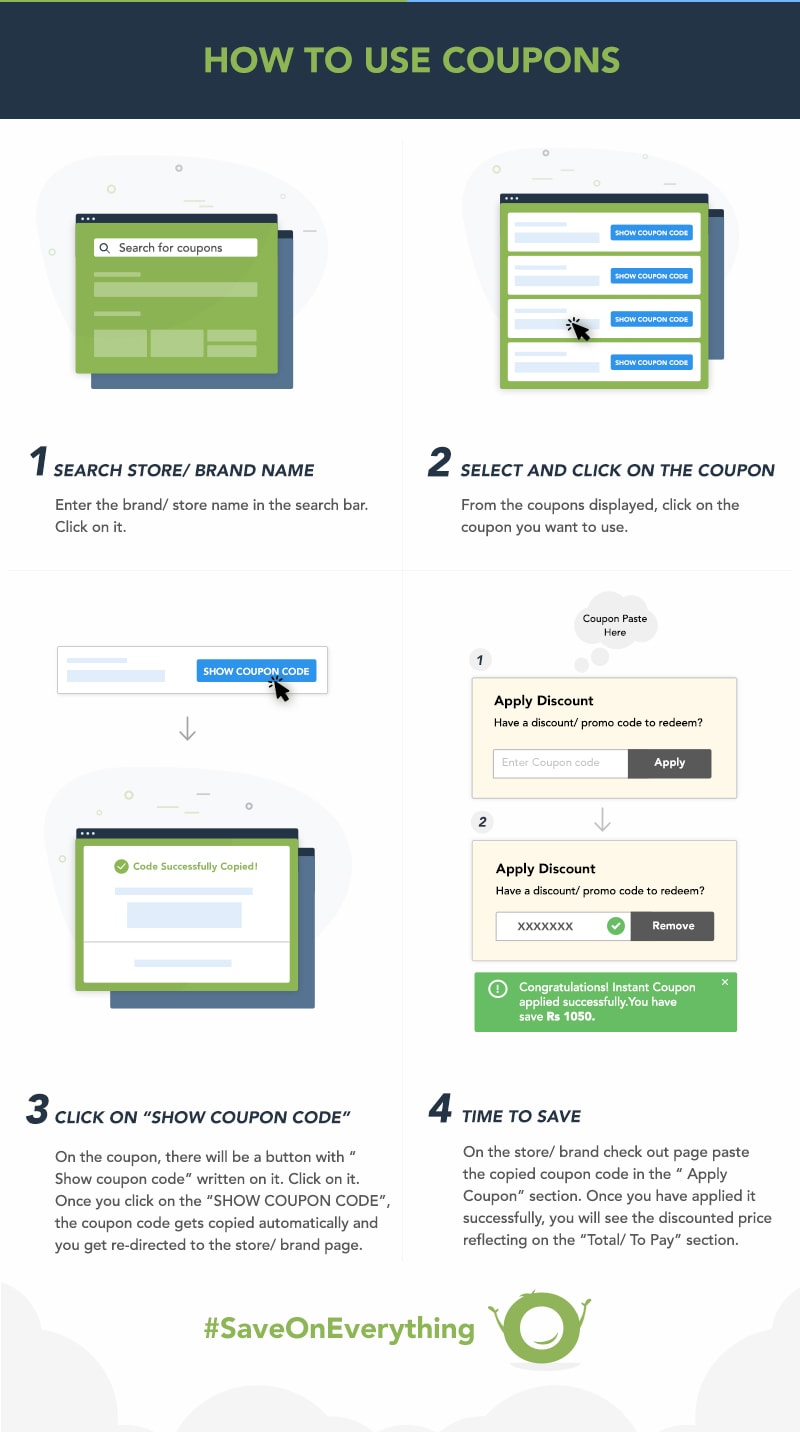
How To Use Visit Dublin Coupons On GrabOn?
Filters
USER TYPES
Categories
-
Travel

More About Visit Dublin
Coupons Info
-
Coupons & Offers
:7
-
Verified
:7
Top Cashback Cards
AU Small Finance Bank
LIT Credit Card
Coupons You May Like

Up To 50% OFF
International Hotels - Up To 50% OFF On Your Bookings
SITEWIDE OFF
Up To 25% OFF On Flights & Hotels Bookings
Coupons from Similar Stores
Popular Stores

Subscribe Now
Get The Latest & Best Coupon/Offer Alerts
