


Meshy AI Coupon Codes & Discounts
Best 9 Coupons & Offers last validated on September 16th, 2026
- All (9)
- Offers (9)
Existing User
- All (9)
- Offers (9)
Get Flat 50% OFF For First Month | Valid For New User
- Enjoy 50% OFF on your first month
- The discount is applicable for the Pro plan
- Grab the plan at $10/first month
- It offers:
- Advanced generation tools
- 1,000 monthly credits recharge (up to 100 assets)
- Unlimited downloads per month of all models
- 10 tasks in queue
- High queue priority
- Assets are private & customer owned
- 4 free retries for each task
- API & 3D platform plugins access
- Unlimited downloads of community models
Get Annual Pro Plan: Avail Flat 24% OFF
- Enjoy flat 24% OFF on Yearly Pro Plan
- Grab the plan at $15.17/ month
- Best for individual creators
- It offers:
- Advanced generation tools
- 1,000 monthly credits recharge (up to 100 assets)
- Unlimited downloads per month of all models
- 10 tasks in queue
- High queue priority
- Assets are private & customer owned
- 4 free retries for each task
- API & 3D platform plugins access
- Unlimited downloads of community models
Get Flat 20% OFF On Yearly Plan Access
- Save 20% OFF on Yearly Plan purchase
- The plan price starts from $15.17/ month
- Also, avail a free trial before purchasing the plan
Flat 20% OFF On Studio Yearly Plan
- Grab flat 20% OFF on your plan purchase
- The discount is applicable for Studio Yearly Plan
- Best for studios and teams
- It offers:
- Team management
- 4,000 monthly credits recharge (up to 400 assets)
- 20 tasks in queue
- Higher queue priority
- 8 free retries for each task
- Centralized billing
- Shared team credits
Meshy AI Offers & Promo Codes
Avail Monthly & Quarterly Studio Plan At $60/Month
- Signup now & avail the Monthly & Quarterly Studio Plan at best price
- Grab the plan at $60/Month
- Best for studios and teams
- It offers:
- Team management
- 4,000 monthly credits recharge (up to 400 assets)
- 20 tasks in queue
- Higher queue priority
- 8 free retries for each task
- Centralized billing
- Shared team credits
Buy 3 Months Plan & Get 5 Months Plan FREE
- Get access for 3 months plan at the best price
- Also, avail 5 Months Plan FREE
- Offer valid for all plans
Enterprise Plan: Contact Sales For Pricing Details
- Signup Now for the Enterprise Plan at best price
- Contact sales for pricing details
- Best for organizations that need large volume usage, customized solutions, and more
Get Started with Meshy AI for Free
- Sign up for a free Meshy account and receive 100 free credits every month to create AI-generated 3D models.
- Upgrade to a paid plan for commercial-use rights, faster generation, API access, and additional monthly credits.
Create High-Quality 3D Models with Meshy AI
- Generate stunning 3D models from text prompts or images in minutes using Meshy's AI-powered platform.
- Export assets in multiple formats for game development, animation, AR/VR, and 3D printing.
- Perfect for creators, designers, and developers.
Verified Meshy AI Coupon Codes & Discounts For Sep 2026
| Category | Meshy AI Offers & Promo Codes |
| For First Month | Get Flat 50% OFF |
| Annual Pro Plan | Avail Flat 24% OFF |
| Yearly Plan Access | Flat 20% OFF |
| Monthly & Quarterly Studio | Plan At $60/Month |
| Enterprise Plan | Contact Sales For Pricing Details |
About Meshy
Meshy started in 2021, based in San Jose, founded by Ethan Hu, an MIT computer-graphics researcher who earlier created Taichi, a programming language for physics simulation. The team is stacked with graphics and AI people who came from MIT, Harvard, NVIDIA, Google, Microsoft, and Meta, which tells you the product is built by people who know rendering pipelines, not just prompt boxes. The pitch is simple: type a description or upload a photo, and the platform builds a 3D model you can drop into a game engine. By 2026 the company reported more than 10 million registered users and over 100 million models generated, with annual recurring revenue around 30 million US dollars and a games arm called Meshy Labs shown at GDC.
The product runs on credits rather than a flat monthly seat. Every generation spends a set number of credits, and your plan decides how many you get each month. The free tier hands you 200 credits a month that reset automatically, enough for a handful of full models, while paid plans raise the credit pool, make your assets private, add commercial rights, and open the API. A full text-to-3D or image-to-3D job costs about 20 credits on the web app, so the free tier covers roughly ten finished models a month before you pay.
Who actually buys this. Game developers and indie studios building props and characters, 3D artists who want a fast base mesh to refine, AR and VR builders, 3D-printing hobbyists, and product designers who need a quick visual. It is a cross-border B2B purchase for most Indian buyers, since you are paying a US company in dollars to power a commercial workflow.
For an Indian buyer the practical shape matters. You can start free, but the spend is in US dollars, so a few things follow that a rupee-billed Indian tool would not carry: GST as an imported online service, a forex markup on the card, and RBI rules on recurring international charges. There is also a licensing catch most people miss, since free-tier output is not owned the same way paid output is, which the rights section below covers in plain terms. GrabOn tracks the verified Meshy AI offers and current promo patterns so you know whether a code is live before you reach the dollar checkout.
What Meshy Offers
Meshy is a full 3D pipeline in a browser, not a single trick. You generate a model, texture it, rig it, animate it, and export it to the format your engine reads, all from one account. Knowing what each tool does and what it costs in credits decides which plan you actually need. Here it is, feature by feature.
Text-to-3D: a prompt becomes a model
This is the headline tool. You write a description, "a stylised wooden treasure chest with iron bands", and Meshy builds a textured 3D mesh from it, usually in a couple of minutes. The current Meshy 6 model produces what the company calls sculpture-level geometry with proper topology, and you can pick quad topology for smooth organic shapes or triangle topology for hard-surface detail. A full text-to-3D generation, model plus texture, costs about 20 credits on the web app. For a game developer blocking out props or an artist who wants a base to refine, this does the heavy lifting.
Image-to-3D and multi-image to 3D
Upload a single photo and Meshy reconstructs it as a 3D model, which is the faster route when you already have a reference. The multi-image tool takes several views of the same object, front, side, back, and builds a more accurate mesh from the combined angles. Like text-to-3D, a full image-to-3D job runs about 20 credits. This is the tool product designers and 3D-printing hobbyists reach for most, since a real object photographed from a few sides converts cleanly.
AI texturing with PBR maps
Texturing is where Meshy stands apart from a plain mesh generator. It produces physically based rendering textures, the diffuse, roughness, metallic, and normal maps that modern engines expect, so a model looks right under real lighting in Unity or Unreal rather than flat. You can guide the texture with a text prompt or a reference image, and you can re-texture an existing model without regenerating the whole shape. Standalone AI texturing on the API costs around 10 credits a call, while a model-only generation runs about 5.
Auto-rigging and animation
Here is the part that surprises people: rigging and animation cost zero credits. Meshy auto-rigs humanoid characters, bipeds, quadrupeds, and stylised figures, adapting the skeleton to the model's proportions, then gives you 500-plus animation presets to apply straight away. You can also generate characters in an A-pose or T-pose specifically so the rig lands cleanly. For an indie studio that needs a walking, idling character without a separate animation tool, this is a genuine saving baked into the plan.
Exports, plugins, and the API
The output has to land in your tools, and Meshy exports broadly: GLB and GLTF for Blender, web viewers, and three.js, FBX for Unity, Unreal, Maya, and 3ds Max, OBJ for most editors, USDZ for Apple AR and Vision Pro, plus STL and 3MF for 3D printing and a native BLEND file. There are one-click plugins for Blender, Unity, Unreal, Godot, 3ds Max, and Maya. Developers can skip the web app entirely and call the REST API, with Python and Node SDKs and endpoints for text-to-3D, image-to-3D, texturing, remesh, and rigging, which is how a studio wires Meshy into its own pipeline.
Best Meshy Offers
Meshy is a single AI tool, not a marketplace, so the offer mix is narrow and there is no daily flash sale or bank-card aisle. The saving comes from a handful of levers: a percentage off a paid plan, the roughly 20 percent drop on annual billing, the free 200 credits a month, a credit top-up when you run dry, and the zero-credit rigging that lets you skip a separate animation tool. Treat the figures below as patterns to verify at the dollar checkout, since AI-tool pricing and credit costs change often.
| Meshy Offer Type | Offer Details | Best For | How to Use |
|---|---|---|---|
| Paid plan promo code | A percentage off a Pro or Max credit plan, the common discount shape for AI tools | Anyone moving from the free 200 credits to a paid plan | Check the live Meshy AI offer on GrabOn, then enter it in the promo field at checkout |
| Annual billing saving | Around 20 percent off the per-month rate when you pay yearly instead of monthly | Studios and artists sure they will keep generating every month | Pick the annual billing cycle on the plan page |
| Free 200-credit tier | 200 credits a month that reset, roughly ten full models, no card needed | First-time users testing text-to-3D and image-to-3D | Sign up and spend the monthly free credits on a few generations |
| Zero-credit rigging | Auto-rigging and 500-plus animation presets cost no credits on any plan | Indie studios needing animated characters without a second tool | Rig and animate a generated model at no extra credit cost |
| Credit top-up | A one-off credit pack when your monthly allowance runs out | Light or seasonal users who do not generate daily | Buy a top-up instead of jumping to a bigger plan |
| Anniversary or seasonal deal | Meshy has run event discounts plus bonus credits on Pro signups | Anyone timing a first paid plan to a sale window | Watch the live listing during global year-end sale weeks |
Lined up against the usual offer angles, here is the honest read for Meshy. The best coupon-code offer is a percentage off a Pro or Max plan, which is the standard discount for tools in this class. The best no-code deal is the free 200 credits a month paired with the zero-credit rigging, which together let a light user produce and animate models without paying at all, as long as the CC BY licence on free output suits the use. There is no India bank-card aisle here, since this is a foreign USD checkout, though your own card's international offers may apply separately. There is no separate app-store coupon, since Meshy runs in the browser and through engine plugins, so that angle does not apply. The best new-user offer is the free tier combined with a first-plan promo. The best seasonal window tends to land around year-end global sale weeks, and Meshy has run anniversary events with bonus credits on Pro. And the best per-credit value sits on the bigger plans and the annual term. GrabOn keeps the verified Meshy AI coupons aligned with what is live, so check before you commit and do not assume an old code still works.
Plans, Credits, and Pricing
Credits are the thing to understand first, because Meshy charges by what you generate, not by a flat seat. Every model spends credits, and your plan sets the monthly pool. Get the credit math right and the plan choice follows. Here is how each tier works, with the figures to verify at checkout since dollar pricing moves.
How credits work
On the web app, a full text-to-3D or image-to-3D generation costs about 20 credits, which covers both the model stage and the texture stage. Rigging and animation cost zero credits, so a finished, animated character still costs only the 20 for the model itself. On the API the stages are split: an untextured mesh runs about 5 credits a call and texturing about 10, which suits a studio that wants finer control over spend. The practical point: at 20 credits a model, the free 200-credit tier covers roughly ten finished models a month, and a Pro plan's 1,000 credits covers around fifty.
The plan ladder
Meshy sells a free entry point and paid tiers that scale the monthly credit pool. The free plan gives 200 credits a month that reset, with assets generated under a CC BY 4.0 licence and made public. Pro runs about 20 US dollars a month, or roughly 16 a month if you pay annually, with 1,000 credits, private and customer-owned assets, full commercial rights, API access, and higher queue priority. Max is about 60 US dollars a month, or roughly 48 annually, with 4,000 credits and the top queue priority for fast turnaround. Above that sit Studio and Enterprise tiers for teams and heavy API use.
| Plan | Rough Price | Monthly Credits | Best For |
|---|---|---|---|
| Free | No cost | 200 credits, CC BY licence, public assets | Testing text-to-3D and image-to-3D |
| Pro monthly | About 20 USD a month | 1,000 credits, private and owned, commercial rights, API | A solo artist or indie developer generating regularly |
| Pro annual | About 16 USD a month, billed yearly | 1,000 credits, same as Pro monthly, around 20 percent cheaper | Anyone sure they will keep using it for a year |
| Max monthly | About 60 USD a month | 4,000 credits, top queue priority | A busy studio or heavy daily generator |
| Max annual | About 48 USD a month, billed yearly | 4,000 credits, same as Max monthly, around 20 percent cheaper | A team committing for a year |
| Studio or Enterprise | Higher, per seat or custom | Larger credit pools and team or API features | Agencies and large API workloads |
Two honest caveats on the numbers. First, the exact prices and credit counts shift, and Meshy runs promotions that change them, so verify the live figures on meshy.ai at checkout rather than trusting a third-party quote. Second, the free tier is genuinely usable for many hobbyists, but the catch is the licence, not the credits: free output is CC BY 4.0 and public, so if you need a private, owned asset for client work, the jump to Pro is about ownership as much as credits. Match the plan to your real generation volume and your licensing need together, not just the headline credit count.
How to Start and Apply an Offer
How you start depends on whether you are testing on free credits or moving to a paid plan, and the coupon step only applies when you pay. The flow is short, but the order matters, since the promo field and the billing-term choice both change the final number. Here is the sequence.
- Open the Meshy AI listing on GrabOn and copy the current promo code, or note the active plan offer that fits what you want.
- Go to meshy.ai, create an account, and spend some of the free 200 monthly credits on a text-to-3D or image-to-3D job so you know the output suits your work.
- Open the pricing or subscription page and pick the tier that matches your monthly credit burn, weighing how many full models you make against the free 200.
- Choose the billing term, since paying yearly drops the per-month rate by around 20 percent compared with monthly billing.
- On the checkout screen, find the promo or coupon field and enter the copied code exactly as shown, keeping the case the same.
- Confirm the discount shows on the order summary before you pay, the new total should be visibly lower than the listed plan price.
- If your use is occasional, weigh a one-off credit top-up against a full subscription before you commit to a recurring charge.
- Pay with an international-enabled card, complete any OTP your Indian bank prompts, and save the invoice for your records and any GST self-accounting.
Two habits help on a foreign AI-tool checkout. First, set your billing term before you apply any code, because a percentage off an annual plan is worth more than the same percentage off one month, and the annual term is usually the better deal even before the code. Second, have your card's international transactions switched on and your phone ready for the OTP, since a recurring USD mandate in India needs an additional authentication step and a blocked card is the most common reason a checkout stalls. One more thing specific to Meshy: rigging and animation cost no credits, so do not let a plan upsell convince you that you need a bigger tier just to animate. Compare the all-in dollar total, forex markup included, rather than only the listed plan price.
Why a Charge Looks Higher Than Expected
Most Meshy bill surprises are not coupon failures, they are the credit model, the plan tier, or the foreign-card layer on any purchase. Because the tool is credit-based and billed in dollars, a charge can land above what you guessed for plain reasons. Run through these before you assume something is wrong.
- You moved up a tier. Jumping from Pro to Max roughly triples the dollar charge, so a bigger bill often just means a bigger plan, not an error.
- Monthly billing, not annual. Paying month to month costs around 20 percent more than the annual rate, so the same plan reads higher if you skipped the yearly term.
- A credit top-up on top of the plan. If you ran out of monthly credits and bought a top-up, that is a separate charge stacked on the subscription.
- The intro discount did not repeat at renewal. A first-term promo usually does not carry to the renewal, so the second charge can be higher than the first.
- Forex markup on the card. Your bank adds a foreign-transaction fee, usually a few percent plus GST on that fee, so the rupee total runs above the dollar sticker.
- GST on an imported service. As an OIDAR supply, the subscription carries 18 percent IGST, which a business self-accounts and an individual pays in the price.
- Currency confusion. Meshy bills in US dollars, so the rupee figure on your statement reflects the conversion rate on the charge date, which moves.
- API spend, not the plan. If you use the API, mesh and texturing calls draw credits per call, so heavy API use can exhaust an allowance faster than the web app.
- A code that does not fit the plan or term. Some codes apply only to a specific tier or only to annual billing, so a mismatch leaves the price unchanged.
- Card declined before the order resolved. An international-card block or a missed OTP can stop a purchase, which can look like a pricing error when it is a payment one.
If a code itself refuses to apply, the usual reasons are an expired code, a new-customer-only restriction, a renewal exclusion, a wrong billing term, or a plan-tier mismatch. Pull a fresh code from the live Meshy AI listing on GrabOn and confirm your card's international payments are on. The thing many people miss on the credit side is that rigging and animation are free, so a bigger bill is never about animation, it is about model generation volume or a tier change. And keep every invoice as you go, since a clean record makes the GST self-accounting painless and saves you reconstructing a year of dollar charges at filing time.
More Ways to Save on Credits
Beyond a single code, the bigger Meshy savings come from how you spend credits and which plan you commit to. AI-tool economics reward planning more than coupon hunting, so the moves below tend to save more than chasing a code.
- Use the free 200 credits a month first. They reset every month, so a hobbyist making the odd model can run on the free tier indefinitely, as long as the CC BY public licence on free output is fine for the use. There is no rush to subscribe on day one.
- Lean on the zero-credit rigging. Auto-rigging and the 500-plus animation presets cost nothing, so you can animate a generated character without buying a bigger plan or a separate animation tool. This is the saving most new users overlook.
- Iterate cheap, finalise once. Test a prompt with quick generations before you commit to the version you will refine, since every full model costs about 20 credits. Re-running the same idea ten times is the fastest way to drain a plan.
- Pay annually if you generate steadily. The yearly term drops the per-month rate by around 20 percent, so a regular artist or studio saves over twelve months. Only commit if you are sure you will keep using it.
- Match the plan to your model count, not the headline credit number. At 20 credits a model, Pro's 1,000 credits is about fifty finished models a month, so size the plan to how many you actually make.
- Use the API stage split for finer control. On the API a mesh-only call is around 5 credits and texturing around 10, so a developer who does not need a texture every time can spend less per asset than the flat 20 on the web app.
- Buy a one-off top-up for a busy month. If you overshoot your allowance occasionally, a top-up can be cheaper than permanently moving up a tier you do not need the rest of the year.
- Time a first paid plan to a sale window. Meshy has run anniversary events with bonus credits on Pro, and software promotions run deepest around the global year-end sale period, so a first plan bought then can land at a better rate.
- Account for the forex markup. Since you pay in US dollars, your card adds a foreign-transaction fee on top, so the real rupee cost is a few percent above the sticker. Factor that in when comparing against an India-billed alternative.
The short version: free credits and free rigging do a lot of the work, the right plan sized to your model count keeps the rest honest, and an annual term with a verified code on top is a bonus rather than the main event. For an Indian artist or studio weighing a few 3D tools, model the real monthly model count and the forex before comparing Meshy against a rival, since the headline plan price is only part of the bill.
GST, OIDAR, and Tax
18 percent. That is the GST attached to a Meshy subscription bought from India, because a foreign AI tool sold online is an imported digital service. In GST language these are OIDAR services, Online Information and Database Access or Retrieval, and they carry an IGST rate of 18 percent like most imported services. How that 18 percent reaches you depends entirely on whether you buy as a GST-registered business or as an individual, so the two cases work differently.
If you buy as a registered business
When the buyer is a GST-registered Indian business, a studio or an agency using Meshy for client work, importing an OIDAR service falls under the reverse-charge mechanism, the RCM. In plain terms, the foreign provider does not charge you Indian GST. Instead, you self-account for the 18 percent IGST in your own GST returns, reporting it under RCM and paying it to the government. The upside is that this IGST is generally available as input tax credit, the ITC, where the service is used for business and your filings and documentation are in order. So for a developer or studio using Meshy to build commercial assets, the GST is largely a wash through the credit, provided the paperwork is clean and you hold a valid GSTIN.
If you buy as an individual
When the buyer is an unregistered individual, a B2C OIDAR supply, the model flips. The foreign provider is the one required to register for Indian GST and charge the 18 percent on the sale, since the consumer cannot self-account. Whether that tax appears as a separate line or is folded into the price depends on how Meshy handles Indian billing, so check your invoice. Either way, an individual cannot claim input tax credit, so for a personal account the GST is simply part of the cost.
What to do
Keep every Meshy invoice. A business buyer needs it for the RCM self-accounting and the ITC claim, and an individual needs it as a record of what was charged. Report the IGST under RCM in GSTR-3B and GSTR-1 if you are registered, and keep the supporting documents tidy. The exact treatment, eligibility, and whether a given expense qualifies for credit can turn on how your business is set up, so this is the one area where a quick check with your CA or tax advisor is worth more than relying on a coupon page. Rates and rules can change, so verify the current position before filing.
Payment, Cards, and Forex
Paying for Meshy from India means paying a US company in US dollars, and that adds a couple of layers a local SaaS bill never carries. The plan price is the start, not the finish, once your card and your bank get involved. Here is what to expect at the dollar checkout.
You pay with an international-enabled credit or debit card. The first thing to check is whether your card even allows international online transactions, since many Indian cards have that switched off by default and you can toggle it in the bank app. A blocked card is the single most common reason a foreign AI-tool checkout fails, and it can look like a coupon or pricing problem when it is really a card problem.
On top of the listed dollar price, your bank adds a foreign-transaction or forex markup, usually a few percent, plus GST on that markup. So a plan that reads as a certain dollar figure costs a little more in rupees once the card is done. That spread is small on a single month but worth counting on a recurring plan, since an India-billed alternative avoids the forex layer entirely.
Because the subscription renews on its own, the charge is a recurring international mandate, which brings RBI rules into play. Recurring card payments in India run on the e-mandate framework, and transactions above the RBI threshold need additional-factor authentication, usually an OTP, at the time of charge. Card-on-file details are tokenised under RBI rules rather than stored raw. The practical effect: you may get an OTP prompt at signup and again at renewal, and if you miss it, the payment can fail. A one-off credit top-up, by contrast, is a single charge, so it sidesteps the recurring-mandate step, which is one reason light users sometimes prefer it. Keep the phone linked to your card handy when a charge is due.
One more point on the larger picture. Paying a foreign provider in dollars for software is a normal current-account transaction under FEMA, so there is nothing exotic about it for a personal or small-business buyer. The thing to actually manage is the recurring nature: a plan renewal that fires automatically can catch you off guard, especially with the forex markup added. Confirm the dollar amount, account for the markup, and make sure your card and OTP are ready before you commit, and again before any renewal.
Renewal and Cancellation
Renewal is where a subscription most often surprises people, and Meshy is no exception. The plan auto-renews by default, the discount that got you in usually does not repeat, and the way credits behave at the cycle reset is worth knowing before you commit. Get this right and you avoid an unwanted dollar charge.
Auto-renewal is on unless you turn it off. Manage it from your account settings on meshy.ai, and do it well before the term ends, since the renewal kicks off ahead of the expiry date. Leave it too late and the new term has already billed, and a renewal charge is far harder to reverse than catching it early. Set a calendar reminder a few weeks before your renewal date, especially on an annual plan where the charge is larger.
Credits reset on the billing cycle rather than rolling over indefinitely. The monthly allowance refreshes each cycle, so unused plan credits generally do not stack up month to month, which is an argument for spending what you have within the period. Confirm the current rollover rules on meshy.ai, since these details vary by provider and can change. The free 200 credits also reset monthly, so a free user gets a fresh batch each month rather than an accumulating balance.
Here is the catch that trips people on any credit tool. Cancelling does not refund credits you did not spend, and access to paid features usually ends at the close of the paid period rather than carrying on, so download or export anything you need before the term lapses. This matters more on Meshy than on some tools, because your owned, private assets are tied to a paid plan, so confirm what happens to access and downloads on the day you cancel.
The practical routine is simple. Mark a reminder before the term ends, then decide to renew, switch terms, or stop, and check whether the renewal rate matches what you paid before, since the intro discount rarely repeats. If you are stopping, export your models first. Cancellation runs through account settings or support rather than vanishing on its own, so start early, not on the last day.
Who Owns the 3D Output
Who owns what you generate, and whether you can sell it, is the question that decides if Meshy fits paid work. The answer ties directly to whether you are on the free tier or a paid plan, so it is worth getting straight before you put an AI-generated model in front of a client or list it for sale.
Free tier: a CC BY licence, not ownership
On the free plan you do not own the models you make. Meshy keeps ownership and grants you a Creative Commons Attribution 4.0 licence, CC BY 4.0, which lets you use, modify, share, and even sell the assets commercially, but only with credit to Meshy. The other catch is that free-tier assets are public rather than private. So a free model can go into a commercial project, but you must attribute Meshy, and you cannot treat it as a confidential, exclusive asset. For a hobbyist or a learner that is usually fine. For client work where attribution or privacy is a problem, it is not.
Paid plans: full private ownership
On Pro, Max, and the higher tiers, you own the assets you generate and they are private to your account. That means full rights to distribute and sell the models without the CC BY attribution requirement, and without the output being public. For anyone building commercial game assets, paid product visuals, or deliverables a client expects to own outright, this ownership shift is the real reason to pay, often more than the extra credits. If you plan to sell models or hand them to a client as their property, you need a paid plan for that reason alone.
The reference-image and IP caution
There is a second layer beyond Meshy's own licence, and creators forget it. Owning or licensing the output is not the same as having the right to everything that went into it. If you generate a model from a copyrighted reference image, a photo of a branded product, a character someone else owns, or a logo, you can still be infringing the rights in that source, regardless of what Meshy's terms say about the generation. Image-to-3D makes this easy to trip over, since feeding in a copyrighted figure or a trademarked design and selling the result is a real legal risk. Generate from your own art, properly licensed references, or genuinely original prompts when the output is going to be sold.
The DPDP angle if a real person is involved
If you ever upload a photo of an identifiable person to build a 3D likeness, you are handling personal data that India's Digital Personal Data Protection Act, the DPDP Act of 2023, applies to. As the person uploading, you carry the responsibility for a lawful basis, usually consent, to use that image, and extra care is needed with anything involving children. The platform processes the data, but the obligation to the person in the photo is yours. For most prop and asset work this never comes up, but the moment a real face enters the pipeline, consent and disclosure become your job.
The practical filter is simple. For anything you will sell or hand to a client, use a paid plan so you own the output privately and skip the attribution, confirm the current licence scope on meshy.ai, and clear the rights to any reference image, brand, or person inside the model separately. For learning and personal experiments, the free CC BY tier is fine as long as you credit Meshy.
Meshy vs Tripo and Luma
Meshy is one of several AI 3D tools an Indian developer or artist will weigh, and the right pick turns on whether you want a balanced all-round pipeline, the cleanest game topology, the highest photorealism, or capture from video. Tripo runs cheaper and produces clean meshes fast, Rodin chases top-end photorealism at a higher price, and Luma Genie takes a capture-based route rather than pure generation. The table sets the main options side by side.
| Tool | Best For | Rough Entry Price | Notes |
|---|---|---|---|
| Meshy | Balanced all-round 3D pipeline | Free 200 credits, Pro from about 16 to 20 USD a month | Text and image to 3D, PBR texturing, free rigging, broad exports and engine plugins |
| Tripo AI | Clean game-ready topology, fast iteration | From around 12 USD a month | Strong topology and speed, good for iterating from reference images |
| Rodin (Hyper3D) | Ultra-photorealistic models with 4K PBR | From around 99 USD a month | Highest quality output, priced for studios that need photoreal detail |
| Luma Genie | Capture and photoreal environments | Free tier, paid plans above | Capture-based from video rather than pure generative meshes |
| CSM | Image-to-3D and scene generation | Free tier, paid plans above | Strong on turning images into usable 3D, developer-friendly API |
| Spline AI | Web and interactive 3D design | Free tier, paid plans above | Built for 3D in the browser and interactive design, not asset pipelines |
A practical way to read that. If you want one tool that handles text-to-3D, image-to-3D, texturing, rigging, and exports without stitching several products together, Meshy is the most balanced pick, and the free rigging plus the 200 monthly credits make it cheap to live with. If your priority is the cleanest game-ready topology at the lowest price and you iterate constantly from references, Tripo is the value play and often a little cheaper than Meshy. For genuinely photorealistic, high-detail models, Rodin is the stronger output, but it is priced for studios that need that fidelity and is overkill for stylised game props.
Luma Genie sits apart because it leans on capture from video rather than pure text or image generation, so it suits photoreal environments and real-object scans more than designed-from-scratch assets. CSM is worth a look for image-to-3D and a developer-friendly API, while Spline AI is really about interactive 3D for the web rather than meshes you push into Unity or Unreal. The one place Meshy is not the automatic pick is when you need the absolute highest photorealism, where Rodin wins, or rock-bottom topology pricing, where Tripo edges it. For breadth, free rigging, and a mature workflow teams can actually use, Meshy earns its place against the field.
Who Meshy Suits
Meshy is not the right tool for every 3D job, and being honest about that saves money and the wrong subscription. It is a broad, credit-based 3D generator, so the fit depends on what you make and how much you make. Here are the profiles where it makes sense and where it does not.
The indie game developer and small studio
This is the core buyer. A solo developer or a small team building props, environment pieces, and characters who wants a model, a PBR texture, and a working rig from one account. The zero-credit rigging and the 500-plus animation presets mean a character can walk and idle without a separate animation tool, the FBX and GLB exports drop straight into Unity, Unreal, or Godot, and a Pro plan's 1,000 credits cover around fifty models a month. For an Indian indie studio watching its asset budget, that breadth in one place is the win.
The 3D artist and product designer
An artist who wants a fast base mesh to refine in Blender, or a product designer who needs a quick 3D visual from a sketch or a photo, fits Meshy well. Image-to-3D and multi-image to 3D turn references into editable meshes, the BLEND and OBJ exports keep your existing workflow intact, and the topology controls give you quad or triangle meshes depending on what you are sculpting. Match the plan to your real output, and remember the licence on free output if the work is for a client.
The AR, VR, and 3D-printing maker
An AR or VR builder needs assets fast, and the USDZ export lands cleanly in Apple AR and Vision Pro workflows. A 3D-printing hobbyist gets STL and 3MF exports straight from the tool, so a generated model can go to a slicer without a conversion detour. For these makers the free 200 credits a month often cover a casual habit entirely, with the CC BY licence rarely a problem for personal prints.
Who should look elsewhere
If you need genuinely photorealistic, high-fidelity models for a premium project, Rodin is the stronger output, even at its higher price. If your whole need is the cleanest possible game topology at the lowest cost and you iterate constantly, Tripo can edge Meshy on both. And if you want capture from real video and environments rather than generated meshes, Luma Genie suits that better. The honest filter: pick Meshy for a balanced, all-in-one pipeline with free rigging, and look past it for a single specialist job done at the highest level.
Is Meshy Worth It?
Best for: indie game developers, small studios, 3D artists, product designers, and AR, VR, and 3D-printing makers who want text-to-3D, image-to-3D, PBR texturing, rigging, and broad exports from one credit account. The free 200 credits a month and the zero-credit rigging make it genuinely usable before you spend, and the mature workflow, with engine plugins and a REST API, is why teams pick it over a single-trick generator. If breadth and a pipeline you can actually ship with matter most, Meshy fits.
Be careful if: you need the highest photorealism, where Rodin is stronger, or the cheapest clean game topology, where Tripo edges it. Be careful too with the licence on free output, since free-tier models are CC BY 4.0 and public, so they need a credit to Meshy and are not private, which can be a problem for client work. Watch the auto-renewal, which charges in dollars with a forex markup and rarely repeats your intro discount, and never sell a model generated from a copyrighted reference image or a real person's likeness without clearing those rights yourself.
Best saving move: test on the free 200 credits, lean on the zero-credit rigging so you do not overpay for a bigger tier, then pick an annual plan during a year-end or anniversary sale window with a verified code, since the yearly term saves around 20 percent. Size the plan to your real model count, not the headline credit number, and move to Pro mainly when you need private, owned assets rather than just more credits. Disable auto-renewal in good time so it does not land at full dollar price plus forex, and confirm the all-in rupee cost on the checkout before you commit.
Frequently Asked Questions
Are the Meshy AI coupons listed for this month valid and active?
The Meshy AI offers on the GrabOn listing reflect current month patterns on a verify-before-commit basis, since AI-tool promos rotate and credit pricing shifts. Most saving is a percentage off a paid Pro or Max plan, or the roughly 20 percent drop on annual billing, rather than a code on the free credits. Copy the freshest code and confirm the discount shows on the order summary before you pay. The deepest software discounts usually land around year-end sale weeks, and Meshy has run anniversary events with bonus credits.
What does Meshy actually do?
Meshy turns a text prompt or a photo into a 3D model, then textures, rigs, and animates it for you. The core tools are text-to-3D, image-to-3D and multi-image to 3D, AI texturing with PBR maps, and auto-rigging with 500-plus animation presets. It exports to GLB, FBX, OBJ, USDZ, STL, 3MF, and BLEND, with one-click plugins for Blender, Unity, Unreal, Godot, Maya, and 3ds Max, plus a REST API. Game developers, 3D artists, and product designers use it to skip building base meshes by hand.
Is Meshy free, and how many credits does the free tier give?
Meshy has a genuinely free tier that needs no card and gives 200 credits a month that reset automatically. A full text-to-3D or image-to-3D generation costs about 20 credits, so the free credits cover roughly ten finished models a month, and rigging and animation cost nothing extra. The catch is the licence: free output is CC BY 4.0 and public, so you must credit Meshy and the asset is not private. To own private assets and skip attribution, you move to a paid plan.
How much does Meshy cost in India?
Meshy Pro is about 20 US dollars a month, or roughly 16 a month billed annually, with 1,000 credits, private and owned assets, commercial rights, and API access. Max is about 60 US dollars a month, or roughly 48 annually, with 4,000 credits. Paid from India, the dollar price also carries 18 percent GST as an imported OIDAR service plus a card forex markup of a few percent, so the real rupee cost runs above the sticker. The annual term saves around 20 percent over monthly billing.
How is GST charged on a Meshy subscription bought from India?
A Meshy subscription is an imported digital service, an OIDAR service, so it carries 18 percent IGST. How it reaches you depends on who you are. A GST-registered business self-accounts for the 18 percent under the reverse-charge mechanism and can usually claim it back as input tax credit where the service is used for business. An individual cannot self-account, so the foreign provider charges the GST, and an individual cannot claim credit. Keep every invoice and check the exact treatment with your CA, since eligibility varies and rules can change.
Who owns the 3D model I generate with Meshy, and can I sell it?
It depends on your plan. On a paid plan you own the models you generate, they are private to your account, and you can distribute and sell them without attribution. On the free tier Meshy keeps ownership and grants you a CC BY 4.0 licence, so you can still use and even sell the asset commercially, but only with credit to Meshy, and the output is public. Either way, if you generated from a copyrighted reference image or a real person, you must clear those rights separately before selling.
Why does my Indian card get declined or ask for an OTP on Meshy?
Meshy bills in US dollars, so the payment is an international transaction, and many Indian cards have international online use switched off by default, which you can enable in your bank app. Because a subscription renews on a schedule, it is a recurring mandate under RBI rules, and charges above the RBI threshold need additional-factor authentication, usually an OTP, at payment time. A blocked card or a missed OTP is the most common reason a checkout or renewal fails, and it can look like a coupon problem when it is really a card problem.
Is Meshy better than Tripo, Rodin, or Luma for an Indian creator?
Meshy is the most balanced of the group, since it handles text-to-3D, image-to-3D, PBR texturing, free rigging, and broad exports in one mature workflow with engine plugins and an API. Tripo runs a little cheaper, from around 12 US dollars a month, with very clean game topology, while Rodin gives the highest photorealism but is priced for studios at around 99 a month. Luma Genie leans on capture from video rather than pure generation. For all-round value and a shippable pipeline, Meshy usually wins.
Looking for Meshy AI Alternatives?
Meshy is built for turning text and images into full 3D meshes, but that's more firepower than you need if you're really just after packaging mockups. Pacdora coupons get you an AI tool focused specifically on generating 3D packaging designs and product mockups in minutes. Just need concept art or textures to feed into your own 3D pipeline instead of a finished mesh? OpenArt coupons cover an AI image generator with styles built for concept art and design references.
How To Use Meshy AI Coupons On GrabOn?
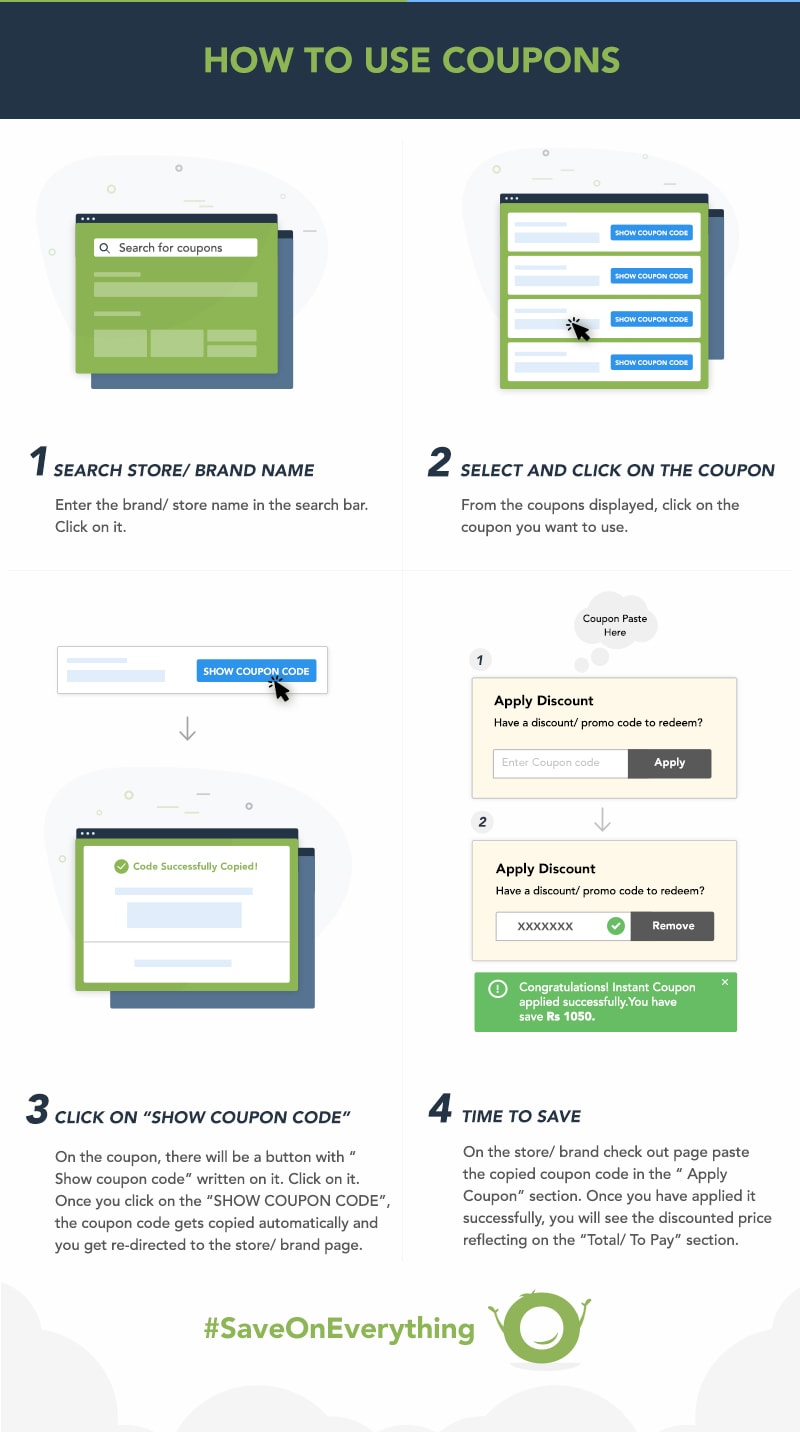
Filters
USER TYPES
Categories
-
AI Software

More About Meshy AI
Coupons Info
-
Coupons & Offers
:9
-
Verified
:9
Coupons You May Like
Annual Plan
Annual Subscription - Grab Up To 25% OFF On Your Orders
FLAT 15% OFF
Get Flat 15% OFF On Annual Plan
Coupons from Similar Stores
Popular Stores

Subscribe Now
Get The Latest & Best Coupon/Offer Alerts
