


Magiclight AI Coupon Codes
Best 6 Coupons & Offers last validated on September 16th, 2026
- All (6)
- Offers (6)
Existing User
- All (6)
- Offers (6)
Get Flat 50% OFF On All Annual Plans + 1 Month FREE
- Avail flat 50% OFF on your plans
- The discount is applicable for all annual plans
- The plan starst from $6.00/month
- Also, avail 1 month FREE plan
Standard Plan: Starts From $6 Per Month
- Enjoy the access for the Standard Plan at the best price
- The plan price starts from $6 Per Month
- It offers:
- Up to 10 One-Click Story Videos
- Up to 120 min video generation
- Up to 250s image-to-video generation
- Gemini 3 ChatGPT 5 ChatGPT 4
- Veo & Sora Series and more
Monthly Plan: Plan Price Starts From $12/Month
- Sign up now & get a monthly plan at the best price
- The plan price starts from $12 per month
- Also, avail a free trial for all users
Plus Plan: Starting At $13.00/Month
- Grab the Plus Plan at the best price
- The plan price starts from $13.00/Month
- It offers:
- Unlock foundational models
- Supports 50 min video generation
- Nano Toolbox, Voice Cloning
- Free Character & Image Regeneration
- 1080P HD Video, No Watermark
- General commercial license and more
Magiclight AI Discounts & Promo Codes
Pro Plan: Grab The Plan Starting At $17.50/Month
- Sign up now & get Pro Plan at an unbeatable price
- The plan prices start at $17.50/Month
- Benefits:
- Supports 50 min video generation
- Nano Toolbox, 20% off Voice Cloning
- Free Character & Image Regeneration
- 1080P HD Video, No Watermark
- General commercial license and more
Ultra Plan Begins With $45.00 Per Month
- Grab the Ultra Plan starting at the best price
- The plan price starts from $45.00 Per Month
- It offers:
- Up to 250 One-Click Story Videos
- Up to 2500 min video generation
- Up to 5360s image-to-video generation
- Gemini 3 ChatGPT 5 ChatGPT 4
- Veo & Sora Series, KLing 2.1 Master
- 20% off foundational models
- Top VIP channel accelerate
- Supports 50 min video generation
- Nano Toolbox, 20% off Voice Cloning
- Free Character & Image Regeneration
- 1080P HD Video, No Watermark
- General commercial license
Magiclight AI Coupon Codes & Offers For Sep 2026
| Category | Magiclight AI Discounts & Promo Codes |
| All Annual Plans | Flat 50% OFF + 1 Month FREE |
| On All Plans | Extra 10% OFF |
| Standard Plan | Starts From $6 Per Month |
| Monthly Plan | Plan Price Starts From $12/Month |
| Plus Plan | Starting At $13.00/Month |
About MagicLight
MagicLight is an AI video studio that lives at magiclight.ai. The pitch is direct: write a story, a script, or even a rough idea, and the platform turns it into a finished animated video, with the visuals, the voiceover, the subtitles, and the sound generated together rather than stitched by hand. It is built for long-form output, not just five-second clips, so a single project can run as a multi-scene story up to about 50 minutes, which is unusual in a space where most tools cap out at short bursts. The brand positions it as a story-to-video tool for creators who want a whole video out of one prompt box.
The studio is broad rather than single-trick. It writes a structured script with scenes and pacing, generates visuals that keep the same character looking the same across every scene, animates still images into motion, and adds AI voiceover in more than 30 languages, Hindi among them. It can also build videos around AI avatars that present your content, and clone a voice you upload. The styles span cartoon, realistic, studio animation, and a Miyazaki-inspired look, so the same engine handles a kids bedtime story, an explainer, or a short film. There is a MagicLight app on Google Play and the Apple App Store too, so you can generate from a phone.
It runs on a credit and subscription model rather than a flat fee. You spend credits each time you generate, and the amount depends on the video length, the style complexity, and the resolution, so a long photorealistic clip costs far more credits than a short cartoon one. New users get a one-time batch of free credits at signup, no card needed, and paid plans hand you a monthly credit allowance plus the commercial-use rights that the free tier alone does not fully cover for client work. Top-up credits are there when a plan runs dry mid-month.
For an Indian buyer the practical shape matters. You can start free, but the spend is in US dollars, so a few things follow that a rupee-billed Indian SaaS would not carry: GST treatment as an imported online service, a forex markup on the card, and recurring-payment rules from the RBI. There is also a consent angle, since the studio can build avatars and clone voices, and India tightened its rules on synthetic media in 2026. GrabOn tracks the verified MagicLight offers and current promo patterns so you are not guessing whether a code is live before you reach the dollar checkout. The sections below walk through each piece.
What MagicLight Offers
MagicLight is built around one job, turning words into a finished video, but it does that through several tools that each spend credits per generation. Knowing what the platform actually does well helps you pick the plan that covers your work and avoid paying for a tier you will not use. Here it is, tool by tool.
Story-to-video and script-to-video
This is the headline. You paste a story, a script, or a short idea, and MagicLight writes a structured script with clear scenes, characters, and pacing, then generates the matching visuals, voiceover, and sound in one pass. You can expand, shorten, or refine any section before it renders. The script step supports multiple languages and keeps character logic consistent, so a protagonist behaves the same way from scene to scene. For a YouTuber or an educator who wants a whole video out of a draft rather than editing clip by clip, this is the part that does the heavy lifting.
AI avatars and character consistency
MagicLight can build videos around AI avatars that present your content, and it keeps characters consistent across scenes, so the same person or cartoon figure looks the same in scene one and scene twelve. You can upload photos to define a character profile, and the platform aligns the voiceover with lip movement and expressions and can add captions. Character consistency is the feature that separates a coherent story video from a slideshow of unrelated images, and it is one of MagicLight's stronger points. The avatar and likeness side is the part to handle with care, which the consent section below covers in full.
Image-to-video animation
Beyond pure text-to-video, the studio animates still images. Feed it a photo or an illustration and it turns the static frame into a moving scene through an image-to-video and photo-to-animation workflow. For an animation maker working from concept art, or a creator who already has artwork and wants motion without redrawing it, this is a useful shortcut. Image work generally costs fewer credits than rendering a long video from scratch, so it is a cheaper way to test a look.
Voiceover, languages, and voice cloning
MagicLight generates AI voiceover in more than 30 languages, including English, Spanish, Hindi, Bahasa Indonesia, and Tagalog, with a choice of tones and emotions. For an Indian creator making content in Hindi, that native voice option matters, since it removes the need for a separate narration tool. You can also upload your own voice and have it cloned, so a personal channel can keep one consistent narrator across every video. The same consent rule that applies to faces applies to any cloned voice, so use only a voice you have the right to use.
Long-form output and export
The detail that sets MagicLight apart is length. Where many AI video tools cap at a few seconds, MagicLight builds multi-scene stories that can run up to about 50 minutes, with steady characters, scenes, and tone across the whole thing. Exports come as a complete story with visuals, voiceover, subtitles, and sound, at up to 1080p depending on your plan and credits. The free tier lets you make a short watermark-free video to test the workflow, while a paid plan opens up the longer runtimes and the higher credit pool a full project needs.
Best MagicLight Offers
MagicLight is a single AI tool, not a marketplace, so the offer mix is narrower than a retail store. There is no daily flash sale and no bank-card aisle. The real savings come from a few levers: a percentage off a paid credit plan, the yearly billing discount, a credit top-up when a plan runs dry, and the one-time free credits at signup. Treat the figures below as patterns to verify at the dollar checkout, not fixed quotes, since AI-tool pricing and credit costs change often.
| MagicLight Offer Type | Offer Details | Best For | How to Use |
|---|---|---|---|
| Subscription promo code | A percentage off a paid credit plan, the common discount shape for AI video tools, often a small storewide code | Anyone moving from free credits to a paid plan | Check the live MagicLight offer on GrabOn, then enter it in the promo field at checkout |
| Annual billing discount | The per-month rate drops on a yearly term, often the equivalent of a free month or more, applied without a code | Creators sure they will keep generating every month | Pick the annual billing cycle on the plan page |
| Free signup credits | A one-time batch of about 300 credits at registration, no card needed | First-time users testing story-to-video and voiceover | Sign up and spend the free credits on a short generation |
| Credit top-up | An add-on credit pack when a plan runs dry mid-month | Light or seasonal users who do not generate daily | Buy a top-up instead of jumping to a bigger plan if your use is occasional |
| Commercial rights included | Every paid plan grants full commercial usage rights and watermark-free exports | Anyone posting client or brand content publicly | Upgrade to any paid plan so output is clean and licensed for use |
| Higher-tier credit value | The effective cost per credit usually falls on the bigger plans | Heavy users making long or photorealistic video | Match the plan size to your real monthly credit burn |
Lined up against the usual offer angles, here is the honest read for MagicLight. The best coupon-code offer is a percentage off a paid credit plan, which is the standard discount for tools in this class, though the published codes tend to be small. The best no-code deal is the annual billing discount, which can hand you a free month or more on a yearly term, plus the free signup credits for testing. There is no India bank-card aisle here, since this is a foreign USD checkout, though your own card international offers may apply separately. The studio has a mobile app, but its deals track the same credit system rather than carrying app-only coupons, so check both web and app prices. The best new-user offer is the free credits combined with a first-plan promo. The best seasonal window tends to land around the year-end sale weeks, when software promotions run deepest, and MagicLight has run a steep yearly-billing offer around that period. And the best per-credit value is the larger plan, since the cost per credit usually falls as the allowance grows. GrabOn keeps the verified MagicLight offers aligned with what is live, so check the page before you commit and do not assume an old code still works.
Plans, Credits, and Pricing
Credits are the thing to understand first, because MagicLight charges by what you generate, not by a flat monthly seat. Every video spends a set number of credits, and the count depends on three things: how long the video is, how complex the style is, and what resolution you export. Get the credit math right and the plan choice follows naturally.
How credits work
Longer, higher-resolution, more detailed video costs more. As a rough pattern from the platform, a simple two-minute video in a basic 2D style at 720p might run around 500 to 1,000 credits, while a ten-minute photorealistic video at 1080p can cost 5,000 credits or more. Treat those as ballpark figures to confirm in the studio, since exact costs move over time. The practical point: a plan that looks generous on paper can run dry fast if you make long photorealistic stories, because a single high-end render eats a large slice of a monthly allowance. Size the plan to the kind of video you actually make, not the headline credit number.
The plan ladder
MagicLight sells a free entry point and paid tiers that scale the monthly credit allowance up as you climb. The free tier hands you a one-time batch of about 300 credits at signup and lets you make a short video to test the workflow. Paid plans raise the monthly credit pool, add full commercial usage rights, watermark-free exports, the longer runtimes, and on the higher tiers access to premium underlying models. As a directional pattern, the Standard plan sits around 12 US dollars a month on monthly billing with roughly 7,000 credits, the Plus plan around 22 US dollars with roughly 15,000 credits, and the Pro plan around 35 US dollars with roughly 35,000 credits, with annual billing cutting the effective monthly rate on each.
| Tier | Rough Monthly Price | Credit Pattern | Best For |
|---|---|---|---|
| Free | No cost, no card | About 300 one-time credits, short video, watermark-free test | Trying story-to-video and voiceover before paying |
| Standard | About 12 USD (less yearly) | Around 7,000 credits a month, commercial rights, long-form unlocked | A solo creator making a few videos a week |
| Plus | About 22 USD (less yearly) | Around 15,000 credits a month, higher daily image limits | A regular YouTuber, educator, or small marketer |
| Pro | About 35 USD (less yearly) | Around 35,000 credits a month, premium model access, priority | A studio or a heavy long-form video maker |
| Credit top-up | One-off add-on, any plan | An extra credit pack when the monthly pool runs out | Light or seasonal users topping up as needed |
Two honest caveats on the numbers. First, the exact plan prices and credit counts shift, and monthly billing runs higher than the annual headline figures some review sites quote, so verify the live numbers on magiclight.ai at checkout rather than trusting a third-party article. Second, match the model to your real output. If you make long photorealistic stories, the credit burn is steep and a bigger plan pays off, while a creator making short cartoon explainers can stay on Standard far longer than the credit pool suggests. Work out roughly how many videos you make a month and at what length before you pick a tier.
How to Start and Apply an Offer
Applying a MagicLight offer happens at the dollar checkout when you move from free credits to a paid plan, or when you buy a credit top-up. The flow is short, but the order matters, since the promo field and the billing-term choice both change the final number. Here is the sequence.
- Open the MagicLight listing on GrabOn and copy the current promo code, or note the active plan offer that fits what you want.
- Go to magiclight.ai, sign up or sign in, and spend the free signup credits first so you know the story-to-video and voiceover tools suit your work.
- Open the pricing page and pick the plan tier that matches your monthly credit burn, weighing long photorealistic video against shorter cartoon and explainer work.
- Choose the billing term, since paying yearly lowers the per-month rate and often adds a free month compared with monthly billing.
- On the checkout screen, find the promo or coupon field and enter the copied code exactly as shown, keeping the case the same, since MagicLight does not stack more than one code per order.
- Confirm the discount has applied to the order summary before you pay, the new total should be visibly lower, not just the listed plan price.
- If your use is occasional, compare a one-off credit top-up against a full plan before you commit to a recurring charge.
- Pay with an international-enabled card, complete any OTP or additional-factor step your Indian bank prompts, and save the invoice for your records and any GST self-accounting.
Two habits help on a foreign AI-tool checkout. First, set your billing term before you apply any code, because the yearly term usually beats the same percentage off a monthly plan once you count the free month it tends to include, so the annual cycle is often the better deal even before a code. Second, have your card international transactions switched on and your phone ready for the OTP, since a recurring USD mandate in India needs an additional authentication step and a blocked card is the most common reason a checkout stalls. Compare the all-in dollar total, forex markup included, rather than only the listed plan price, since that is the number that actually leaves your account in rupees.
Why a Charge Looks Higher Than Expected
Most MagicLight bill surprises are not coupon failures, they are the credit model, the renewal, or the foreign-card layer on any purchase. Because the plan is credit-based and billed in dollars, a charge can run above what you guessed for plain reasons. Run through these before you assume something is wrong.
- Forex markup on the card. Your bank adds a foreign-transaction fee, usually a few percent plus GST on that fee, so the rupee total runs above the dollar sticker price you saw on the plan page.
- GST on an imported service. As an OIDAR supply, the subscription carries 18 percent IGST, which a business self-accounts and an individual pays inside the price.
- Monthly versus annual confusion. The low headline figures on review sites are often the annual per-month rate, so a monthly subscription bills higher than the number you remembered.
- Renewal at a higher rate. An intro or promo discount rarely repeats, so the renewal can land above your first-term price even on the same plan.
- A top-up you forgot. Buying an extra credit pack mid-month is a separate charge on top of the plan, so two MagicLight lines can appear in one cycle.
- Credit burn pushing an upgrade. If a long photorealistic project drained the plan and you moved to a bigger tier, the new rate is higher than the old one.
- Currency conversion timing. MagicLight bills in US dollars, so the rupee figure on your statement reflects the conversion rate on the charge date, which moves day to day.
- A code that did not actually apply. If the discount never showed on the order summary, the full price was charged, which can look like an overcharge later.
- Card declined then retried. A first attempt that failed an OTP and a second that went through can briefly show two holds before one drops off.
- App store billing. If you subscribed through the mobile app rather than the website, the platform store can add its own handling, so web and app prices are worth comparing.
If a code itself refuses to apply, the usual reasons are an expired code, a new-customer-only restriction, a renewal exclusion, a wrong billing term, or an attempt to stack two codes when MagicLight allows only one per order. Pull a fresh code from the live MagicLight listing on GrabOn and confirm your card international payments are on. One last catch on foreign checkouts is the card itself, so if a charge fails, confirm international transactions are enabled and complete the OTP before retrying. And keep every invoice as you go, since a clean record makes the GST self-accounting painless and saves you reconstructing a year of dollar charges at filing time.
More Ways to Save on Credits
Beyond a single promo code, the bigger MagicLight savings come from how you spend credits and which billing term you pick. AI-video economics reward planning more than coupon hunting, so the moves below tend to save far more than chasing a code.
- Test on the free credits first. The one-time batch of about 300 credits is enough to make a short video and judge whether the story-to-video output and the Hindi voiceover fit your channel before you pay a rupee.
- Draft cheap, render the final once. Use a shorter length, a simpler 2D style, or 720p while you iterate on the script and characters, then spend the bigger credits on the final long or photorealistic render. Re-running a ten-minute 1080p project five times is the fastest way to burn a plan.
- Match the style to the job. A basic cartoon look costs a fraction of a photorealistic one, so save the expensive style for content that genuinely needs it and keep explainers and drafts on the cheaper styles.
- Pay annually if you generate steadily. The yearly term lowers the per-month rate and usually adds a free month, so a regular creator saves over twelve months of monthly billing. Only commit if you are sure you will keep using it.
- Use a top-up before jumping a tier. If you only run short on credits occasionally, a one-off top-up can be cheaper than moving up to a plan twice the size you usually need.
- Size the plan to your video length, not the headline credit count. A 7,000-credit plan looks generous until a single ten-minute photorealistic story takes most of it, so estimate your real monthly burn first.
- Time a first plan to the year-end sale weeks. Software promotions run deepest around the global November sale period, and MagicLight has run a steep yearly-billing offer then, so a first paid plan bought in that window can land at a better rate.
- Account for the forex markup. Since you pay in US dollars, your card adds a foreign-transaction fee on top, so the real rupee cost is a few percent above the sticker. Factor that in when comparing MagicLight against any India-billed tool.
The short version: free credits to test, the right length and style to keep each render cheap, and an annual plan or a top-up sized to your real use is the cleanest way to keep the spend honest. A verified code from the live GrabOn listing on top is a bonus, not the main event. For an Indian creator weighing a few AI video tools, the all-in rupee cost, forex included, matters more than the headline dollar figure on any one homepage.
GST, OIDAR, and Tax
18 percent. That is the GST that attaches to a MagicLight subscription bought from India, because a foreign AI video tool sold online is an imported digital service. In GST language these are OIDAR services, Online Information and Database Access or Retrieval, and they carry an IGST rate of 18 percent like most imported services. How that 18 percent reaches you depends entirely on whether you buy as a business with a GSTIN or as an individual creator, so the two cases work differently.
If you buy as a registered business
When the buyer is a GST-registered Indian business, a studio, an agency, or a company using the tool for client work, the import of an OIDAR service falls under the reverse-charge mechanism, the RCM. In plain terms, the foreign provider does not charge you Indian GST. Instead, you self-account for the 18 percent IGST in your own GST returns, reporting it under RCM and paying it to the government. The upside is that this IGST is generally available as input tax credit, the ITC, where the service is used for business and your filings are in order. So for a registered business using MagicLight to produce paid video, the GST is largely a wash through the credit, provided the paperwork is clean.
If you buy as an individual creator
When the buyer is an unregistered individual, a B2C OIDAR supply, the model flips. The foreign provider is the one required to register for Indian GST and charge the 18 percent on the sale, since the consumer cannot self-account. Whether that tax shows as a separate line or is folded into the price depends on how MagicLight handles Indian billing, so check your invoice. Either way, an individual cannot claim input tax credit, so for a personal creator account the GST is simply part of the cost.
What to do
Keep every MagicLight invoice. A business buyer needs it for the RCM self-accounting and the ITC claim, and an individual needs it as a record of what was charged. Report the IGST under RCM in GSTR-3B and GSTR-1 if you are registered, and keep the supporting documents tidy. The exact treatment and whether a given expense qualifies for credit can turn on how your business is set up, so this is the one area where a quick check with your CA or tax advisor is worth more than relying on a coupon page. Rates and rules can also change, so verify the current position before filing.
Payment, Cards, and Forex
Paying for MagicLight from India means paying a foreign company in US dollars, and that adds a couple of layers a local SaaS bill never carries. The plan price is the start, not the finish, once your card and your bank get involved. Here is what to expect at the dollar checkout.
You pay with an international-enabled credit or debit card. The first thing to check is whether your card even allows international online transactions, since many Indian cards have that switched off by default and you can toggle it in the bank app. A blocked card is the single most common reason a foreign AI-tool checkout fails, and it can look like a coupon problem when it is really a card problem.
On top of the listed dollar price, your bank adds a foreign-transaction or forex markup, usually a few percent, plus GST on that markup. So a plan that reads as a certain dollar figure costs a little more in rupees once the card is done. That spread is small on one month but worth counting when you compare MagicLight against a tool that bills in rupees, since the India-billed option avoids the forex layer entirely.
Because a subscription renews on its own, the charge is a recurring international mandate, and that brings the RBI rules into play. Recurring card payments in India run on the e-mandate framework, and transactions above the RBI threshold need additional-factor authentication, usually an OTP, at the time of charge. Card-on-file details are tokenised under RBI rules rather than stored raw. The practical effect: you may get an OTP prompt at signup and again at renewal, and if you miss it, the charge can fail. Keep the phone linked to your card handy when a renewal is due. A one-off credit top-up, by contrast, is a single charge, so it sidesteps the recurring-mandate step, which is one reason light users sometimes prefer it.
One more point on the larger cross-border picture. Paying a foreign provider in dollars for a software subscription is a normal current-account transaction under FEMA, so there is nothing exotic about it for a personal or small-business buyer. The thing to actually manage is the renewal: a recurring USD charge that fires automatically can catch you off guard, especially with the forex markup added. Confirm the dollar amount, account for the markup, and make sure your card and OTP are ready before you commit, and again before any renewal.
Renewal and Cancellation
The renewal terms are where an AI-tool subscription most often surprises people, and MagicLight is no exception. The plan auto-renews by default, the discount that got you in usually does not repeat, and the way credits behave at renewal is worth knowing before you commit. Get this right and you avoid an unwanted dollar charge.
Auto-renewal is on unless you turn it off. Manage it from your account settings on magiclight.ai, and do it well before the term ends, since the renewal process kicks off ahead of the expiry date. Leave it too late and the new term has already been charged. Refund policies on digital subscriptions are usually tight once a renewal has gone through, so the safest move is to cancel in good time rather than ask for money back after the fact. Set a calendar reminder a few weeks before your renewal date.
Credits behave in a way worth knowing. The monthly credit allowance from a subscription typically resets each cycle, so unused plan credits usually do not roll over, which is an argument for spending them within the month rather than hoarding them. Any one-off top-up credits generally sit in your balance separately until you use them. So if you cancel a plan but still hold top-up credits, those usually remain usable while the monthly allowance stops. Confirm the current rollover and balance rules on magiclight.ai, since these details vary by provider and can change.
Here is the catch that trips people on any credit tool. Cancelling a subscription does not refund the credits you did not spend, and it does not always extend access in the way you expect, so check what happens to your account on the day you cancel. If you subscribed through the mobile app store rather than the website, cancellation runs through that store, not through MagicLight directly, which is easy to forget. Decide which you want before you act: a clean stop at the end of the term, or a downgrade to a smaller plan.
The practical routine is simple. Mark a calendar reminder a few weeks before your term ends. If you want to stop, disable auto-renewal in good time and download any videos you still need before access changes. If you want to continue, check whether the renewal rate jumped from your intro price, since that is common across AI tools, and decide whether to stay, switch to annual billing, or move down a tier. Cancellation usually runs through account settings or the app store rather than vanishing on its own, so start the process early, not on the last day.
AI Video, Consent, and Ownership
This is the section to read before you put a real person into a MagicLight video or sell what you make, because the studio can build avatars from uploaded photos, clone a voice, and produce content that looks like a real human did something they never did. That power comes with rules in India and with licensing terms on the platform side. None of this is meant to scare you off the tool. It is meant to keep your content on the right side of the line.
Consent is the whole game
The simple rule: do not build an avatar from, animate, or clone the likeness or voice of a real person without their clear permission. That covers a friend photo, a celebrity, a public figure, a colleague, anyone identifiable. Using someone face or voice without consent, especially to make them appear to say or do something, can amount to impersonation, defamation, or worse, and it is exactly the kind of synthetic media India has moved to police. If you cannot point to permission, do not generate it. Be especially careful with children, where parental consent is required.
India rules on synthetic media and labelling
India tightened its position on AI-generated and deepfake content through amendments tied to the IT Rules 2021, the intermediary and digital-media framework. The direction is clear: non-consensual and impersonating synthetic content is treated as unlawful, platforms face fast takedown timelines for it, and there is a push toward labelling AI-generated media. For you as a creator, that means two things. Disclose when content is AI-generated, especially anything featuring a person or presented as real, and never make non-consensual likeness content. A visible AI-content label is becoming the norm, not a nicety, particularly for ads and anything that could be mistaken for real footage.
Uploads, faces, and the DPDP Act
When you upload someone photo, a voice clip, a script, or other personal data to generate a video, you are handling personal data that India Digital Personal Data Protection Act, the DPDP Act of 2023, applies to. As the person doing the uploading, you carry responsibility for having a lawful basis, usually consent, to use that data. The platform processes what you submit, but the obligation to the person in the photo or the voice clip is yours. Keep records of any consent you rely on, and avoid uploading sensitive material you do not have the right to use.
Who owns the video and commercial rights
MagicLight grants full commercial usage rights on every paid plan, with watermark-free exports, so a video you generate on a paid subscription can generally be used in ads, on social, for a client, or on a monetised channel. The free tier is meant for testing, so confirm the current licence scope before you build a paid deliverable on free output. There is a second layer creators forget, though: owning the licence to your generated video is not the same as having the right to everything inside it. If the video shows a recognisable person, a brand logo, copyrighted music, or source material you do not own, you still need those rights separately, regardless of what MagicLight terms say about the generation itself. The platform licence covers the output as a whole, not the third-party elements you put into it. For client work, that distinction is the difference between a clean deliverable and a takedown notice, so read the current commercial-use terms on magiclight.ai and clear any real person, brand, or track inside the video on your own.
MagicLight vs InVideo AI and HeyGen
MagicLight is one of many AI video tools an Indian creator can pick, and the right choice depends on whether you want long-form animated storytelling, template-driven marketing clips, a polished AI presenter, or top-end cinematic quality. InVideo AI is built for script-to-video marketing, HeyGen owns the talking-head avatar niche, Synthesia targets corporate training, and Runway and Pika lead on short cinematic and stylized clips. The table sets the main options side by side.
| Tool | Best For | Free Tier and Watermark | Notes |
|---|---|---|---|
| MagicLight | Long-form story-to-video animation up to about 50 minutes | About 300 free credits, watermark-free short test export | Strong character consistency and 30-plus languages including Hindi; every paid plan includes commercial rights |
| InVideo AI | Script-to-video marketing and explainers | Limited free weekly minutes with watermark | Template and stock-driven; built for talking-script marketing rather than animated stories |
| HeyGen | AI-presenter and multilingual talking-head video | Short free clips, paid for length and avatars | Best for corporate and personalised talking-head content; priced for business use |
| Synthesia | AI-presenter training and corporate video | No open free tier; paid plans only | Avatar talking-head focus, strong for L and D; not built for animated storytelling |
| Runway | High-end cinematic AI video | Free tier with watermark, removed on paid plans | Strong single-clip quality; credits run out fast on long clips and it is not a long-form story tool |
| Pika | Quick stylized short-form clips | Free monthly credits, paid for commercial use | Low entry price for short viral clips, not multi-scene long-form |
A practical way to read that. If you want one workspace that takes a story or a script and returns a long, multi-scene animated video with consistent characters and Hindi voiceover, MagicLight covers more ground in a single account than a clip-focused tool does, and the 50-minute runtime is its clearest edge. If your need is turning a marketing script into a stock-and-template video for an ad or explainer, InVideo AI is built for exactly that and will feel more natural than an animation engine. For a polished presenter talking to camera, HeyGen and Synthesia are the specialists, with HeyGen stronger on multilingual personalised video and Synthesia on corporate training.
On raw single-clip quality, Runway is the stronger pick, with sharper cinematic output, though its credits disappear quickly on long clips and it is not designed for a 50-minute story. Pika is the cheap entry for short, throwaway stylized clips rather than full narratives. Where MagicLight is clearly not the automatic pick is a project that needs the absolute best few-second cinematic shot, or one built purely around a corporate presenter. For long-form animated storytelling, character consistency, and multilingual narration in one credit account, it earns its place. For a single specialist job, a specialist tool usually wins, so match the tool to the job rather than assuming one studio does everything best.
Who MagicLight Suits
MagicLight is not the right tool for every creator, and being honest about that saves money and frustration. It is a long-form, credit-based AI story-to-video studio, so the fit depends on what you make and how long it runs. Here are the profiles where it makes sense and where it does not.
The YouTuber and long-form creator
This is the core buyer. Someone making story videos, explainers, or narrated content who wants a whole multi-scene video from a script rather than editing clip by clip. The up-to-50-minute runtime suits long-form far better than tools that cap at seconds, the character consistency keeps a recurring cast looking the same, and the Hindi and 30-plus-language voiceover removes a separate narration step. If your channel runs on longer narrated video, this covers most of the pipeline in one account.
The educator and kids-story or animation maker
A teacher turning a lesson into an animated explainer, or a creator making bedtime stories and kids animation, fits well. The cartoon and studio-animation styles suit younger audiences, the script step structures a lesson into scenes, and the multilingual voiceover lets the same story go out in more than one language. For an Indian educator making content in Hindi and English both, that dual-language option is a real time saver. Just keep the consent rules in mind the moment a real child appears.
The small marketer, studio, or indie team
A small marketing team, an indie animation studio, or a solo marketer making ad creatives and brand stories gets value from the breadth and the commercial rights that come with every paid plan. The image-to-video tool reuses existing artwork, the avatar feature handles a presenter when needed, and a paid plan covers public client posting without a watermark. Match the plan to your monthly output and remember the GST and forex notes above when you compare it against an India-billed option.
Who should look elsewhere
If you need the absolute best single-clip cinematic quality for a high-end short, a specialist like Runway is the stronger pick. If your whole need is a polished AI presenter talking to camera for training or corporate video, HeyGen or Synthesia fit better. And if you mostly want template-and-stock marketing videos built from a script, InVideo AI is made for exactly that. The honest filter is simple: pick MagicLight for long-form animated storytelling and multilingual narration, look past it for a single specialist job done at the highest level.
Is MagicLight Worth It?
Best for: YouTubers, educators, kids-story and animation makers, small marketers, and indie studios who want a long, multi-scene animated video out of a story or a script, with consistent characters and voiceover in Hindi or any of 30-plus languages. The roughly 300 free signup credits are a real way to test it at no cost, the up-to-50-minute runtime is its clearest edge over clip-focused rivals, and every paid plan includes full commercial rights and watermark-free exports, so client work is covered from the entry tier up.
Be careful if: you need the absolute highest single-clip cinematic quality, where Runway is stronger, or a polished corporate presenter, where HeyGen and Synthesia win. Be careful too with credit burn, since a long photorealistic story can take most of a monthly allowance and a generous-looking plan runs dry fast on high-end renders. Watch the auto-renewal, which charges in dollars with a forex markup and rarely repeats your intro discount, and remember monthly billing runs higher than the annual per-month figures review sites quote. And above all, never build an avatar from or clone a real person face or voice without consent, since India synthetic-media rules treat non-consensual deepfakes as unlawful and expect AI content to be disclosed.
Best saving move: test on the free credits first, draft cheap on a short length and a simple style, then render the final long version once, and pick an annual plan during a year-end sale window with a verified code, since the yearly term tends to add a free month on top. Size the plan to your real video length and style, not the headline credit count, and use a one-off top-up rather than jumping a tier if you only run short occasionally. Disable auto-renewal in good time so the renewal does not catch you at full dollar price plus forex, and confirm the all-in rupee cost on the checkout before you commit.
Frequently Asked Questions
Are the MagicLight AI coupons listed for September 2026 valid and active?
The MagicLight offers on the GrabOn listing reflect current September 2026 patterns on a verify-before-commit basis, since AI-tool promos rotate and credit pricing shifts. Most saving is a percentage off a paid credit plan or the yearly billing discount rather than a code on the free credits, so the best route changes with the plan and term you pick. Copy the freshest code and confirm the discount shows on the order summary before you pay. The deepest software discounts usually land around the year-end sale weeks.
What does MagicLight AI actually do?
MagicLight turns a story, a script, or a rough idea into a finished animated video, generating the script, the visuals, the voiceover, and the sound together. It keeps characters consistent across scenes, builds videos around AI avatars, animates still images into motion, clones an uploaded voice, and narrates in more than 30 languages including Hindi. The output can run as a multi-scene story up to about 50 minutes at up to 1080p. It suits YouTubers, educators, kids-story and animation makers, marketers, and small studios.
Is MagicLight AI free, and what do the free credits include?
MagicLight gives new users a one-time batch of about 300 free credits at signup, with no credit card required, so you can make a short video and test the story-to-video and voiceover tools before paying. The free tier lets you produce a watermark-free short clip but does not cover the longer runtimes or the full credit pool a real project needs. To get a monthly credit allowance, full commercial rights, and the up-to-50-minute output, you move to a paid plan. The free credits work well for testing the workflow.
How much does MagicLight AI cost in India?
MagicLight runs on credit plans billed in US dollars, with a directional Standard tier around 12 US dollars a month for roughly 7,000 credits, a Plus tier around 22 US dollars for roughly 15,000 credits, and a Pro tier around 35 US dollars for roughly 35,000 credits, with annual billing cutting the effective monthly rate. Paid from India, the price also carries 18 percent GST as an imported OIDAR service plus a card forex markup of a few percent, so the real rupee cost runs above the sticker. Verify live numbers on magiclight.ai.
How is GST charged on a MagicLight AI subscription bought from India?
A MagicLight subscription is an imported digital service, an OIDAR service, so it carries 18 percent IGST. How it reaches you depends on who you are. A GST-registered business self-accounts for the 18 percent under the reverse-charge mechanism and can usually claim it back as input tax credit where the service is used for business. An individual creator cannot self-account, so the foreign provider charges the GST, and an individual cannot claim credit. Keep the invoice and check the exact treatment with your CA, since eligibility varies and rules can change.
Can I use MagicLight videos commercially, who owns them, and do I need consent for a face or voice?
Every paid MagicLight plan grants full commercial usage rights with watermark-free exports, so video made on a paid subscription can generally be used in ads, on social, for clients, and on monetised channels. The licence covers the output as a whole, not any real person, brand logo, or copyrighted music inside it, which you must clear separately. You also need clear consent before building an avatar from or cloning anyone face or voice, since India synthetic-media rules treat non-consensual likeness content as unlawful and expect AI content to be disclosed.
Why does my Indian card get declined or ask for an OTP on MagicLight AI?
MagicLight bills in US dollars, so the payment is an international transaction, and many Indian cards have international online use switched off by default, which you toggle in your bank app. Because a subscription renews automatically, it is a recurring card mandate under RBI rules, and charges above the RBI threshold need an OTP at payment time. A blocked card or a missed OTP is the most common reason a checkout or renewal fails, which can look like a coupon problem when it is really a card one.
How does MagicLight compare with InVideo AI, HeyGen, and Runway?
MagicLight is built for long-form animated story-to-video up to about 50 minutes with consistent characters and 30-plus-language voiceover, which is its clearest edge. InVideo AI is stronger for script-to-video marketing clips from stock and templates. HeyGen and Synthesia are the picks for a polished AI presenter, with HeyGen better at multilingual personalised video. Runway leads on short single-clip cinematic quality but is not a long-form story tool. Match the tool to the job: MagicLight for animated narratives, a specialist for a single specialist need.
Looking for Magiclight AI Alternatives?
Magiclight AI wraps several foundational video models like Veo, Sora, and Kling into its own plans, which adds a markup on top of using those models directly. Kling AI coupons get you that same underlying video generation engine without paying through a third-party wrapper. Prefer avatar-led videos with voice cloning over freeform AI story videos? Vidnoz coupons generate talking AI avatar videos with cloned voices built right in.
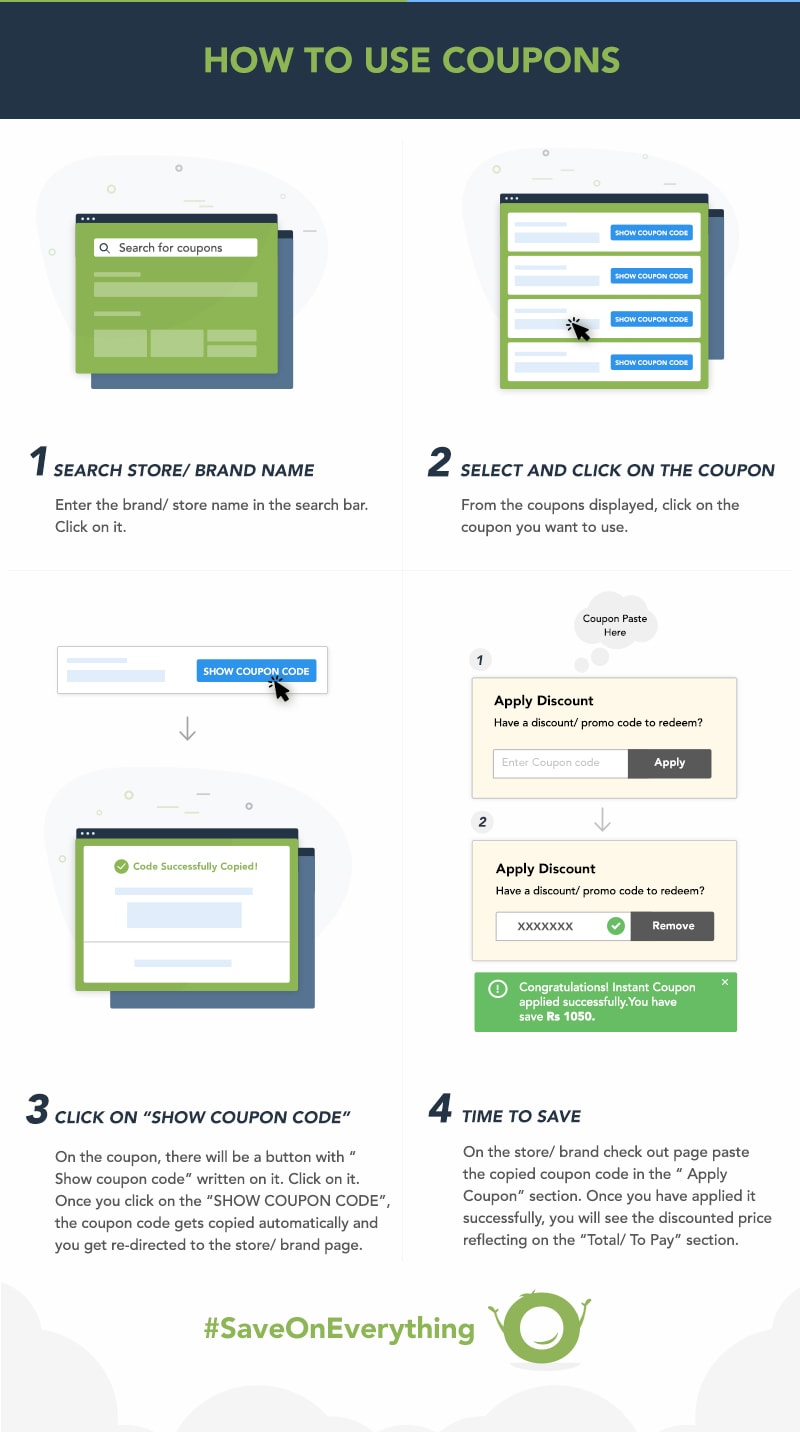
How To Use Magiclight AI Coupons On GrabOn?
Filters
USER TYPES
Categories
-
AI Software

More About Magiclight AI
Coupons Info
-
Coupons & Offers
:6
-
Verified
:6
Coupons You May Like

FLAT 90% OFF
Get Flat 90% OFF On One WriterGPT Subscription

Up To 70% OFF
Get Up To 70% OFF On Quarterly Plan
Coupons from Similar Stores
Popular Stores

Subscribe Now
Get The Latest & Best Coupon/Offer Alerts
