



Keap Promo Codes
Best 8 Coupons & Offers last validated on October 27th, 2026
- All (8)
- Offers (8)
Existing User
- All (8)
- Offers (8)
Annual Subscription Plan Starts At Best Price
- Upgrade now for the Annual Subscription Plan starts at best price
- The basic plan price starts at $299 per month
- All users can avail of this offer
2 Users Plan - Starting At Just $299/Month
- Subscribe now & get 2-user plan at the best price.
- The price starts from $299/m.
- Get 1500 contacts with 2-users plan.
Start Serious Automation for Serious Businesses
- Say goodbye to feature-based plans.
- Get the entire Keap software platform.
- Starting at one low price - because serious growth requires serious software.
Get 4 Users Plan With 2500 Contacts At Just $413/Month
- Subscribe now & get a 4-user plan at the best price.
- The initial price starts from $413.
- Applicable for all users.
Top Cashback Cards

AU Small Finance Bank
LIT Credit Card
Keap Coupons
Get The 6 User Plan At Just $416 Per Month
- Get the 5-user plan at just $416 per month
- No coupon code is required to avail the offer
Upgrade To 5 Users Plan Starting At $416 Per Month
- Upgrade to 5 users plan starting at $416 per month
- Offer is accessible to all users
Signup Now & Get Free Trial On Your Plan
- Sign up now for the additional benefits
- Get a free trial on your plan
- Valid for all users
Keap Free Trial On CRM Automation Platform
- Start a free trial of Keap CRM and marketing automation
- Applicable on the Keap plan for new sign-ups
- Activate the trial from the Keap website
Verified Keap Coupons & Offers For Oct 2026
| Category | Keap Coupon Codes & Promo Codes |
| Annual Plan | Starts At $299/Month |
| 2 Users Plan | Starting At Just $299/Month |
| Get 4 Users Plan | With 2500 Contacts At Just $413/Month |
| Serious Automation | Contact Sales For @Best Price |
| Signup Offer | Free Trial For 14 Days |
About Keap
Keap began life in 2001 as Infusionsoft, started in Mesa, Arizona by brothers Scott and Eric Martineau, with Clate Mask joining the next year to run sales and turn a custom-software shop into a real product. The often-told origin is that the early follow-up problem came from a family balloon business, and the first office was a spare bedroom. The company took in a large funding round from Goldman Sachs in 2013 and crossed roughly 100 million US dollars in annual revenue by 2017, built almost entirely on small-business customers.
The big change came in January 2019, when Infusionsoft renamed itself Keap, partly to shed the technical, hard-to-learn reputation the old name carried. The product stayed the same in spirit: one tool that holds your contacts, runs your email and text follow-up, manages a sales pipeline, sends invoices, takes payments, and books appointments. In late 2024 Keap was acquired by Thryv Holdings in an 80 million dollar deal, and since then AI features like an automation assistant and smart send timing have been added to the platform.
For an Indian buyer the shape is what matters. You pay a US company in US dollars, so the same purchase that a local SaaS bill would not carry now picks up GST as an imported digital service, a forex markup on your card, and RBI rules on recurring international charges. The contact and customer data you upload also sits on Keap servers outside India, which feeds into your own DPDP obligations once you store details of identifiable people. Each of those is covered below in plain terms.
Most Keap saving in India is not a homepage code. It is starting on the 14-day free trial, choosing annual billing over monthly, watching how the contact count drives the price, and weighing the onboarding fee that Keap usually requires. GrabOn tracks the verified Keap coupons and current offer patterns so you can see whether a deal is live before you reach the dollar checkout.
What Keap Offers
One subscription, a lot of moving parts. The thing to grasp about Keap is that it bundles tools you would otherwise buy separately, a CRM, an email platform, a checkout, a booking tool, into a single plan, which is the whole pitch and also why the price sits higher than a plain email tool. Here is what each piece does, feature by feature.
CRM and contact management
At the centre is the contact database. Every lead, customer, and their full history of emails, texts, purchases, and appointments lives on one record, so you stop hunting across a spreadsheet, an inbox, and a separate billing app. You can tag contacts, segment them, and trigger follow-up based on what they do. Two-way sync with Gmail and Outlook means email you send outside Keap still lands on the contact record. For a small team, that single shared view of who is who is the real reason to buy.
Visual automation
This is the part Keap is known for. You build follow-up sequences on a drag-and-drop canvas: a new lead fills a form, gets a welcome email, waits two days, gets a text if they have not booked, and so on, all running without you touching it. Moving a deal to a new pipeline stage can fire its own automation, like creating a task or sending a quote. The builder is more capable than most small-business tools, which is the upside, and steeper to learn, which is the honest catch.
Email and SMS marketing
Keap has a drag-and-drop email builder, broadcast campaigns, saved sequences, and a deliverability dashboard that flags problems before they sink your open rates. Text marketing is built in too, with one-to-one and broadcast texting and a business phone line. The one thing to know upfront: the SMS and built-in phone features are limited to the US and Canada, so an Indian business serving Indian customers cannot rely on Keap for local texting and would pair it with an India SMS provider instead.
Sales pipeline, quotes, and invoicing
The pipeline is a Kanban board where deals move stage by stage, and you can build quotes and proposals straight from it, then convert a quote to an invoice in one click. Invoicing, recurring billing, payment collection, checkout forms, and one-click upsells are all part of the plan. So a service business can take a lead, send a proposal, get paid, and start a post-sale follow-up sequence without leaving the tool. Payment processing depends on the gateways Keap supports in your region, so check that for India before you lean on it for collections.
Landing pages, forms, and appointments
You can build lead-capture pages and payment forms inside Keap without a separate page builder. They are good enough for most service businesses rather than a match for a dedicated tool, which is a fair trade for keeping everything in one place. Appointment booking is also built in and syncs with Google Calendar and Outlook, so clients self-schedule, the booking lands on their contact record, and a confirmation or reminder sequence can fire automatically. For a coach or consultant who lives by the calendar, that booking-plus-follow-up loop is a genuine time saver.
Best Keap Offers
Keap is one all-in-one SaaS plan, not a retail store, so the offer mix is narrow and there is no daily sale or bank-card aisle. The saving comes from a handful of levers: the 14-day free trial, annual billing instead of monthly, any percentage-off promotion on the subscription, onboarding or coaching credit, and keeping a clean watch on the contact count that drives the price. Below is the shape of what tends to show up. Treat the figures as patterns to verify at the dollar checkout, since Keap pricing and any promotion shift over time.
| Keap Offer Type | Offer Details | Best For | How to Use |
|---|---|---|---|
| 14-day free trial | Full platform access for 14 days, no credit card required to start | Anyone wanting to test automation before paying | Start the trial on keap.com, build a real sequence to judge it |
| Annual billing discount | About 17 percent off the monthly rate, roughly 249 USD a month against 299 USD | Businesses sure they will keep using it past a few months | Pick the annual term at checkout instead of paying monthly |
| Subscription promo code | A percentage off the plan when a promotion is running | New subscribers timing a first purchase to a sale window | Check the live Keap coupon on GrabOn, then apply at checkout |
| Onboarding or coaching credit | Reduced or bundled implementation help on top of the plan | Teams that want guided setup rather than self-serve | Ask about onboarding packages when you sign up or talk to sales |
| Contact-tier management | Price scales with contacts, so trimming dead records lowers the bill | Lists with a lot of unengaged or duplicate contacts | Clean the list before you cross a pricing threshold |
| Extra user pricing | Additional users added at a small monthly rate each | Growing teams adding seats one at a time | Add users only as needed rather than over-provisioning |
Lined up against the usual seven offer angles, here is the honest read for Keap. The best no-cost offer is the 14-day free trial with no card, which lets you build a real follow-up sequence and judge whether the automation suits you before a dollar leaves your account. The best coupon-style saving is annual billing, which trims roughly 17 percent off the monthly rate and beats most one-time codes over a year. There is no India bank-card aisle, since this is a foreign USD checkout, though your own card's international promotions may apply separately. There is no separate Keap app store coupon, so that angle does not apply. The best new-user move is pairing the free trial with annual billing once you commit. The best timing play is to watch for year-end software sale weeks, when many SaaS firms run their steepest promotions, and to talk to Keap sales about onboarding bundles. And the best ongoing saving is contact hygiene, since the price climbs with your contact count, so a clean list is real money. GrabOn keeps the verified Keap coupons aligned with what is live, so check the page before you commit and do not assume an old code still works.
Plans and Pricing
Pricing here is simpler than most CRMs in one way and trickier in another. Keap sells a single all-in-one plan, so there is no feature ladder to climb, every feature is on from day one. The catch is that the price is tied to how many contacts you store and how many users you add, so the number grows with you. Here is how it works, with figures to verify at checkout since dollar pricing moves.
The base plan
The starting point is roughly 249 US dollars a month on annual billing, or about 299 US dollars a month if you pay monthly, which covers 2 users and around 1,500 contacts. Annual billing is the obvious saving, close to 17 percent off the monthly rate over a year. Every Keap feature, CRM, automation, email, text, pipeline, invoicing, landing pages, appointments, is included at that base, so you are not paying extra to switch on a tool the way you would on a tiered competitor.
How the price scales
The bill rises in two ways. First, contacts: as your list grows past 1,500, Keap adds price in blocks, so a list of 10,000 contacts lands somewhere around 750 to 760 US dollars a month and 25,000 contacts pushes past 700 to 720 US dollars depending on the structure at the time. Second, users: each extra user beyond the included two is a small monthly add, around 39 US dollars each. There is also an implementation or onboarding fee Keap usually charges at the start, often a few hundred to over a thousand dollars depending on the package.
| Plan or Cost Item | Rough Price | What You Get | Best For |
|---|---|---|---|
| 14-day free trial | No cost, no card | Full platform access for 14 days | Testing the automation before paying |
| All-in-one plan (annual) | About 249 USD monthly, 2 users, 1,500 contacts | Every feature, billed yearly for the lower rate | Committed small businesses |
| All-in-one plan (monthly) | About 299 USD monthly, 2 users, 1,500 contacts | Same plan, billed month to month | Short-term or trial-to-paid use |
| Larger contact tiers | Around 750 USD monthly at 10,000 contacts | Same features, more stored contacts | Growing lists past the base 1,500 |
| Extra user | About 39 USD per user monthly | An added seat with full access | Teams adding members one at a time |
| Onboarding or implementation | A few hundred to over 1,000 USD once | Guided setup and migration help | Teams wanting hands-on launch support |
A note on the numbers. Keap pricing has changed more than once, and the structure now leans on a single plan rather than the old Lite, Pro, and Max tiers some older reviews still describe, so verify the live figure and what your contact count costs before committing. The onboarding fee is the part that catches people off guard, since it is separate from the monthly price and not always shown on the headline. Ask about it upfront. For an Indian buyer, remember every dollar figure here is before GST and the forex markup, so the rupee cost runs higher than the sticker, which the tax and payment sections below cover.
How to Start and Apply an Offer
How you start is the same whether you trial first or buy outright, and the coupon step only applies once you move to a paid plan. The trial itself needs no code and no card, which is the point. Here is the sequence, since getting the order right saves a wasted setup.
- Start with the free trial: go to keap.com and begin the 14-day trial, which does not ask for a credit card to start.
- Build something real in the trial, a signup form, a short follow-up sequence, a test invoice, so you judge the automation rather than just clicking around.
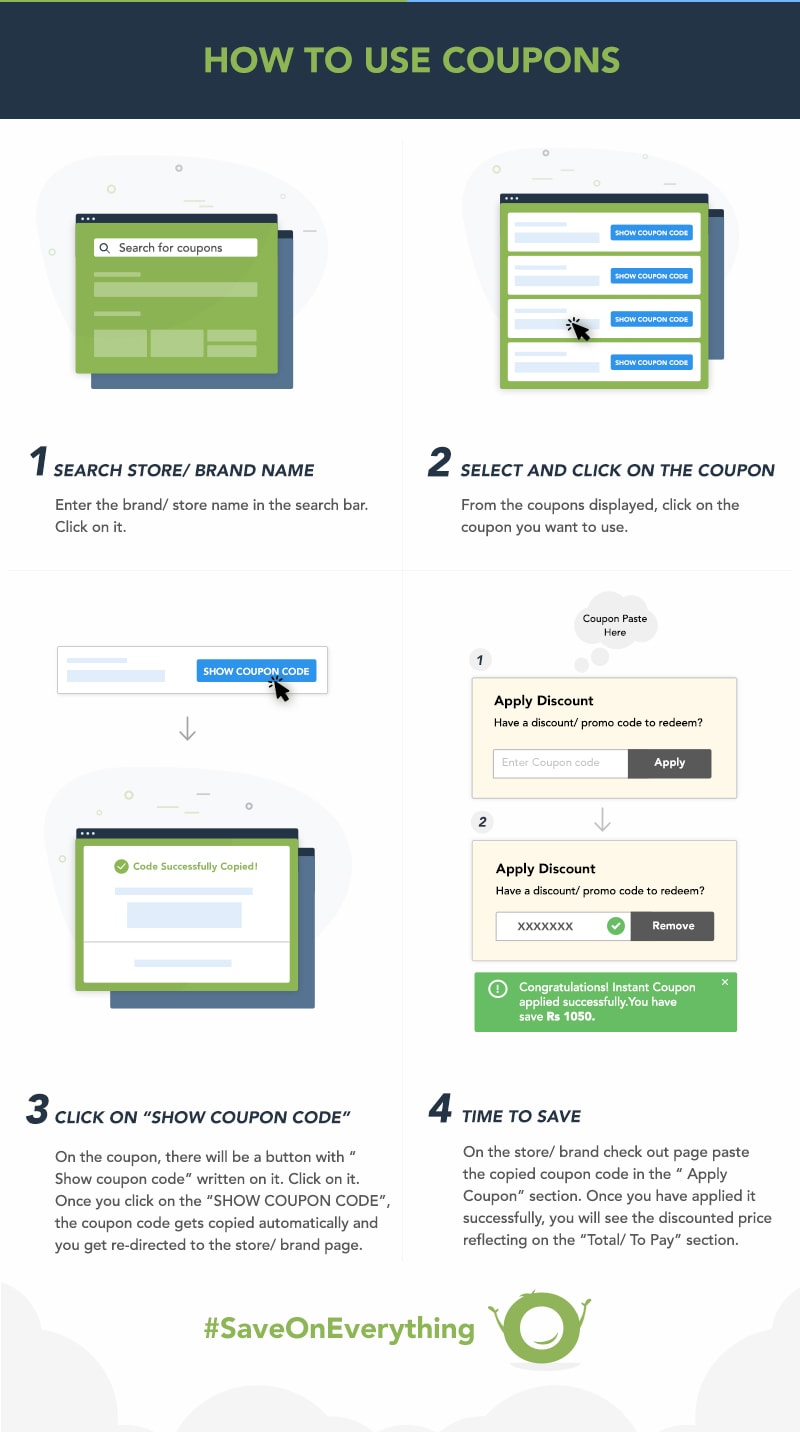
- When you are ready to buy, open the Keap listing on GrabOn and copy any current promo code or note the active plan offer that fits.
- On the Keap checkout, choose the billing term first, annual over monthly, since annual is roughly 17 percent cheaper before any code.
- Find the promo or coupon field on the purchase screen and enter the copied code exactly as shown, keeping the case the same.
- Confirm the discount or trial credit shows on the order summary before you pay, the total should be visibly lower than the listed plan price.
- Pay with an international-enabled card and complete the OTP your Indian bank prompts, since this is a recurring USD mandate.
- Save the invoice for GST self-accounting, then ask about onboarding packages if you want guided setup.
Two habits help on a foreign SaaS checkout. First, set the billing term before you apply any code, because a percentage off an annual plan is worth more than the same percentage off a single month, and annual is usually the better deal even before the code. Second, have your card's international transactions switched on and your phone ready for the OTP, since a recurring USD mandate in India needs an additional authentication step and a blocked card is the most common reason a checkout stalls. One more thing: do not rush from trial to paid on day one. Use the full 14 days, since that is the cleanest way to know whether the automation fits how you actually work before the dollar charge starts. Compare the all-in dollar total, forex markup included, rather than only the listed price.
Why a Charge Looks Higher Than Expected
Most Keap bill surprises are not coupon failures, they are the contact-based pricing or the foreign-card layer on any purchase. Because the plan scales with your list and your team, a charge can run above what you first signed up for, for plain reasons. Run through these before you assume something is wrong.
- Your contact count crossed a tier. Keap prices in contact blocks, so adding leads past 1,500, then past the next threshold, bumps the monthly figure up a step even though the plan name is the same.
- Extra users were added. Each seat beyond the included two adds around 39 US dollars a month, so a couple of new team members move the bill noticeably.
- The onboarding fee. Keap usually charges a separate implementation cost at the start, a few hundred to over a thousand dollars, which is not part of the recurring price and can shock a first invoice.
- Monthly versus annual confusion. The 299 dollar monthly rate is higher than the roughly 249 dollar annual rate, so paying monthly costs more across the year.
- SMS or add-on usage. Text message volume and other add-ons can carry their own charges on top of the base plan, so a heavy texting month costs more.
- Forex markup on the card. Your bank adds a foreign-transaction fee, usually a few percent plus GST on that fee, so the rupee total runs above the dollar sticker.
- GST on an imported service. As an OIDAR supply, the subscription carries 18 percent IGST, which a business self-accounts and an individual pays in the price.
- The trial converted to paid. If you started a free trial and did not cancel, it can roll into a paid plan, and the first real charge then appears.
- Currency timing. Keap bills in US dollars, so the rupee figure on your statement reflects the conversion rate on the charge date, which moves.
- A code that already expired. Software promos rotate, so an old code copied from elsewhere may simply no longer apply at checkout.
If a promo code itself refuses to apply, the usual reasons are an expired code, a new-customer-only restriction, a renewal exclusion, or a wrong billing term. Pull a fresh code from the live Keap listing on GrabOn and confirm your card's international payments are on. For the recurring bill, the fix is rarely a code, it is housekeeping: clean dead contacts before you cross a tier, add users only as needed, and pick annual billing. One last catch on foreign checkouts is the card itself, so if a charge fails, confirm international transactions are enabled and complete the OTP before retrying. And keep every invoice as you go, since a clean record makes the GST self-accounting painless and saves you reconstructing a year of dollar charges at filing time.
More Ways to Save on Keap
Beyond a single code, the bigger Keap savings come from how you buy and how you keep your account tidy. Subscription software rewards smart commitment and clean data more than coupon hunting, so the moves below tend to save far more than chasing a code.
- Run the full 14-day free trial first. It costs nothing and needs no card, so you can build a real sequence and decide whether the automation earns its price before you pay anything. Do not convert early; use the whole window.
- Pick annual billing once you commit. Paying yearly is roughly 17 percent cheaper than monthly, which on a 249 to 299 dollar plan adds up to a meaningful saving across the year. Only commit annually if you are sure you will keep using it.
- Keep your contact list clean. Since price climbs with contacts, deleting dead leads, duplicates, and hard bounces before you cross a pricing threshold keeps you on a lower tier. This is the single most overlooked Keap saving.
- Add users only as you need them. Each seat beyond the included two is around 39 US dollars a month, so do not provision seats for people who are not active in the tool yet.
- Ask about onboarding bundles. The implementation fee is real and separate, so before you pay full price for setup, ask Keap sales whether a coaching or onboarding package can be folded in or discounted.
- Time a first purchase to a sale window. Many SaaS firms run their deepest promotions around year-end, so if you are not in a hurry, starting then can mean a percentage off the subscription on top of the annual saving.
- Use the all-in-one nature to drop other tools. If Keap replaces a separate email tool, a booking app, and an invoicing tool you already pay for, count those cancelled subscriptions as part of the saving, since that is where the high sticker price can actually pay off.
- Pair it with an India SMS provider rather than paying for unused texting. Keap's built-in texting is US and Canada only, so for Indian customers route SMS through a local provider instead of leaning on an add-on that does not serve your market.
- Account for the forex markup. Since you pay in US dollars, your card adds a foreign-transaction fee on top, so the real rupee cost is a few percent above the sticker. Factor that in when comparing against an India-billed alternative.
The short version: on Keap the commitment and the clean list are the discount, annual billing and contact hygiene do more than any code, while the all-in-one bundle only pays off if you genuinely retire the separate tools it replaces. For an Indian team, model the GST and the forex before comparing Keap against a rival, since the headline plan rate is only part of the real bill.
GST, OIDAR, and Tax
18 percent. That is the GST attached to a Keap subscription bought from India, because CRM and marketing software sold online by a foreign provider is an imported digital service. In GST language these are OIDAR services, Online Information and Database Access or Retrieval, and they carry an IGST rate of 18 percent like most imported services. How that 18 percent reaches you depends entirely on whether you buy as a GST-registered business or as an individual consumer, so the two cases work differently.
If you buy as a registered business
When the buyer is a GST-registered Indian business, importing an OIDAR service falls under the reverse-charge mechanism, the RCM. In plain terms, the foreign provider does not charge you Indian GST. Instead, you self-account for the 18 percent IGST in your own GST returns, reporting it under RCM and paying it to the government. The upside is that this IGST is generally available as input tax credit, the ITC, where the service is used for business and your filings and documentation are in order. So for an agency or consultant running their pipeline on Keap, the GST is largely a wash through the credit, provided the paperwork is clean.
If you buy as an individual consumer
When the buyer is an unregistered individual, a B2C OIDAR supply, the model flips. The foreign provider is the one required to register for Indian GST and charge the 18 percent on the sale, since the consumer cannot self-account. Whether that tax appears as a separate line or is folded into the price depends on how Keap handles Indian billing, so check your invoice. Either way, an individual cannot claim input tax credit, so for a personal or unregistered buyer the GST is simply part of the cost.
What to do
Keep every Keap invoice. A business buyer needs it for the RCM self-accounting and the ITC claim, and an individual needs it as a record of what was charged. Report the IGST under RCM in GSTR-3B and GSTR-1 if you are registered, and keep the supporting documents tidy. The exact treatment, eligibility, and whether a given expense qualifies for credit can turn on how your business is set up, so this is the one area where a quick check with your CA or tax advisor is worth more than relying on a coupon page. Rates and rules can change, so verify the current position before filing.
Payment, Cards, and Forex
Paying for Keap from India means paying a US company in US dollars, and that adds a couple of layers a local SaaS bill never carries. The plan price is the start, not the finish, once your card and your bank get involved. Here is what to expect at the dollar checkout.
You pay with an international-enabled credit or debit card. The first thing to check is whether your card even allows international online transactions, since many Indian cards have that switched off by default and you can toggle it in the bank app. A blocked card is the single most common reason a foreign SaaS payment fails, and it can look like a coupon or pricing problem when it is really a card problem.
On top of the listed dollar price, your bank adds a foreign-transaction or forex markup, usually a few percent, plus GST on that markup. So a plan that reads as a certain dollar figure costs a little more in rupees once the card is done. That spread is small on a single month but worth counting on a recurring subscription that runs every month or every year, since an India-billed alternative avoids the forex layer entirely.
Because Keap bills on a repeating schedule, the charge is a recurring international mandate, which brings RBI rules into play. Recurring card payments in India run on the e-mandate framework, and transactions above the RBI threshold need additional-factor authentication, usually an OTP, at the time of charge. Card-on-file details are tokenised under RBI rules rather than stored raw. The practical effect: you may get an OTP prompt at signup and again at each renewal, and if you miss it, the payment can fail and your account access can lapse. Keep the phone linked to your card handy when a charge is due.
One more point on the larger picture. Paying a foreign provider in dollars for software is a normal current-account transaction under FEMA, so there is nothing exotic about it for a small business or solopreneur. The thing to actually manage is the recurring nature: a monthly or annual Keap charge that fires automatically can catch you off guard, especially with the forex markup added. Confirm the dollar amount, account for the markup, and make sure your card and OTP are ready before you commit, and again before any renewal.
Renewal and Cancellation
Renewal is where a subscription most often surprises people, and Keap is no different since it auto-renews on whatever term you picked. The free trial is the other thing to watch, since it can roll into a paid plan if you do nothing. Getting both right means no unwanted dollar charge.
The free trial converts unless you act. A 14-day trial that you do not cancel can move into a paid subscription, so if you decided Keap is not for you, cancel before the trial ends rather than after. Mark the trial end date the day you start, since a charge that has already fired is far harder to reverse than one you headed off early.
Paid plans auto-renew by default. An annual plan renews for another year and a monthly plan keeps billing each month unless you cancel first, so the timing matters: cancel before the renewal date if you do not want the next term charged. Leave it too late and the new term has already billed, and that is much harder to claw back. Set a calendar reminder a few weeks before your renewal date, especially on the annual plan where one charge covers a whole year.
Cancelling does not always mean an instant refund. Depending on the terms, your access usually runs to the end of the term you have paid for, after which the account lapses. So if you are leaving, export your contacts, your email templates, and any data you want to keep before access ends, since getting it back afterwards is harder. Decide whether you are pausing or leaving, and act before the expiry date either way.
The practical routine is simple. Mark the trial end date and the renewal date, then decide to keep, switch terms, or cancel, and check whether the renewal rate matches what you paid before, since a price that rose with your contact count can make the renewal higher than the first bill. Cancellation goes through your Keap account settings or support rather than a single universal button, so start early, not on the last day.
Data, DPDP, and Where It Lives
Two things deserve attention beyond price when your customer records sit with a foreign provider: where the data lives and what that means for your own compliance. Both decide how your setup holds up if a customer or a regulator ever asks, and both are easy to overlook until you need them.
Where your data lives
Keap is a US company and stores customer data on its own infrastructure, which sits outside India. There is no India data region to pick, so the contacts, emails, purchase history, and notes you upload are held abroad whichever way you use the tool. That is normal for a US SaaS, but it is worth knowing plainly, since you are the one holding personal details of Indian customers on a server in another country.
The DPDP angle for Indian businesses
This is the part that matters most. The moment your Keap account holds personal data, names, phone numbers, email addresses, anything tied to identifiable people, India's Digital Personal Data Protection Act, the DPDP Act of 2023, applies to how you handle it, even though Keap is foreign and the data sits abroad. You as the business are the one responsible to the people whose data it is. A basic privacy notice, sensible access controls on who in your team can see contacts, and a clear record of where the data lives are worth setting up. The Act allows transfer of personal data outside India except to countries the government may restrict, so storing it with a US provider is generally workable, but the obligation to your customers stays with you.
Treat the contact list as a responsibility
Because a CRM is built to collect and keep customer data, Keap concentrates exactly the kind of personal information DPDP cares about. Collect what you need and not more, get consent where the law expects it, and have a way to delete a person's data if they ask, since that is the kind of request the Act is built around. Limit who on your team can export the full contact list. For data you treat as sensitive, document where it sits and how it is protected as part of your own DPDP record-keeping, since being able to say where personal data lives and who can reach it is part of the obligation. None of this is exotic, but it is yours to handle, not the software vendor's.
Keap vs HubSpot and ActiveCampaign
Keap is one of several CRM and automation tools an Indian small business will weigh, and the right pick turns on how much CRM depth you need against how much you want everything in one bill. HubSpot scales toward bigger sales teams, ActiveCampaign goes deep on email automation for less, Zoho undercuts everyone on price, and GoHighLevel targets agencies. The table sets the main options side by side.
| Tool | Rough Starting Price | Strength | Notes |
|---|---|---|---|
| Keap | About 249 USD monthly annual, 1,500 contacts | All-in-one: CRM, automation, email, text, invoicing, booking | Every feature on from day one, plus a separate onboarding fee |
| HubSpot | Free CRM tier; real automation around 890 USD monthly | Deep sales features, strong free CRM, scales to enterprise | Cheap to start, expensive once you need workflows, onboarding fee on Pro |
| ActiveCampaign | Around 49 USD monthly at 1,000 contacts | The most flexible email automation builder here | CRM is lighter than Keap, great if email is your main engine |
| Zoho CRM | From about 14 USD per user monthly | Lowest price, deep customisation, India-friendly | Add-ons needed for full marketing suite, Zoho One bundles more |
| GoHighLevel | From about 97 USD monthly | All-in-one built for agencies, funnels and white-label | Strong if your website is the main lead source |
| Brevo | Free tier; paid from a low monthly rate | Email and SMS at a budget price, simple CRM | Good entry option, less automation depth than Keap |
A practical way to read that. If you want one tool that holds contacts, runs automation, sends invoices, takes payments, and books appointments without stitching apps together, Keap is built for exactly that, and the high sticker price only makes sense if you actually retire those separate tools. If you mostly need a sales CRM and want to start free, HubSpot is the natural pick until your automation needs push the bill up sharply. If your business runs on email sequences and your CRM needs are simple, ActiveCampaign does the automation for a fraction of Keap's price.
For Indian buyers, price sensitivity changes the maths. Zoho CRM and Zoho One are billed in a way that is far gentler on the wallet than Keap's dollar plan plus forex plus GST, and Zoho has a real India presence, so for a cost-first small business it is the obvious comparison. The case for Keap over Zoho is the all-in-one simplicity and the automation builder, not the price.
The one place Keap is clearly not the automatic pick is when budget is the whole decision, where Zoho or Brevo land far cheaper, or when you only need email automation, where ActiveCampaign does it for less. For a service business that genuinely wants its CRM, follow-up, checkout, and calendar in a single tool and will use all of it, Keap earns its place against the field.
Who Keap Suits
Keap is not a fit for everyone, and the honest test is whether you will use the whole bundle. The price makes sense when you replace several tools with it and lean on the automation; it is poor value if you only need one piece. Here are the profiles where it works and where it does not.
The coach or consultant running on follow-up
This is Keap's core buyer. A coach, consultant, or solo professional whose business is built on capturing leads, nurturing them with email and text, booking calls, and getting paid fits the tool well. The booking-plus-follow-up loop, the invoicing, and the automation canvas cover the whole client journey in one place. For someone tired of stitching a form tool, an email app, a scheduler, and an invoicing tool together, this is the path of least resistance, provided the dollar price works for them.
The small service business or agency
A small agency, clinic, studio, or service firm with a sales pipeline and repeat clients suits Keap's all-in-one plan. The shared contact view, the pipeline with quotes and one-click invoicing, and the stage-based automations let a small team run a real sales process without enterprise software. For an Indian agency billing clients and wanting one tool for the lifecycle, Keap can work, as long as the team accounts for the SMS limitation and routes Indian texting through a local provider.
The growing solopreneur ready to systematise
A solopreneur who has outgrown spreadsheets and a basic email tool, and wants to automate the repetitive follow-up that eats their week, is a good match. The free trial lets them prove the setup before paying, and the all-in-one nature means one subscription instead of four. The honest caveat is the learning curve: the automation builder is powerful and takes time to set up well, so this suits someone willing to invest a weekend in the build, not someone who wants instant results.
Who should look elsewhere
If budget is the deciding factor, Keap's dollar price plus forex plus GST is steep next to Zoho or Brevo, so a cost-first buyer fits better there. If you only need email automation and not a full CRM, ActiveCampaign does that for far less. If your customers are in India and SMS is central to your follow-up, Keap's US and Canada only texting is a real gap. And if you want a free tool to start, HubSpot's free CRM is the gentler on-ramp. The honest filter: pick Keap if you will use the whole all-in-one bundle and value the automation, and look past it if you only need one piece or price is the priority.
Is Keap Worth It?
Best for: coaches, consultants, small service businesses, and agencies that want their CRM, email and text follow-up, sales pipeline, invoicing, payments, and appointment booking in one tool, and will actually use all of it. The 14-day free trial with no card makes Keap genuinely testable before you spend, and the all-in-one bundle pays off when it lets you retire several separate subscriptions you were already paying for.
Be careful if: budget is your main concern, since Keap's dollar plan starting around 249 US dollars a month plus the forex markup and 18 percent GST runs well above India-billed rivals like Zoho. Be careful too with the separate onboarding fee that is not in the headline price, the contact-based pricing that climbs as your list grows, the built-in texting that only serves the US and Canada, and the auto-renewing trial and subscription that bill in US dollars unless you cancel in good time.
Best saving move: run the full 14-day free trial and build a real follow-up sequence before you pay, then choose annual billing for the roughly 17 percent saving over monthly, keep your contact list clean so you stay on a lower tier, and ask Keap sales about an onboarding bundle rather than paying full price for setup. Confirm the live discount and the all-in rupee cost, GST and forex included, on the checkout before you commit, and set a reminder before each renewal so it does not land at full dollar price plus forex.
Frequently Asked Questions
Are Keap coupons on the GrabOn listing valid and active for October 2026?
The Keap offers on the GrabOn listing reflect current October 2026 patterns on a verify-before-commit basis, since software promos rotate and dollar pricing shifts. The most reliable savings are the 14-day free trial with no card and annual billing, which trims about 17 percent off the monthly rate, rather than a one-time code. Copy the freshest code from the live listing and confirm the discount shows on the order summary before you pay. The steepest software discounts often land around year-end sale weeks.
What is Keap and what does it actually do?
Keap is an all-in-one CRM and marketing automation tool for small businesses, formerly called Infusionsoft until a 2019 rebrand. It holds your contacts, runs email and text follow-up on a visual automation builder, manages a sales pipeline with quotes, sends invoices and takes payments, builds landing pages and forms, and books appointments, all in one subscription. It suits coaches, consultants, agencies, and service businesses that want the whole client lifecycle in a single tool rather than stitching separate apps together.
How much does Keap cost in India?
Keap sells one all-in-one plan starting around 249 US dollars a month on annual billing or about 299 US dollars monthly, covering 2 users and roughly 1,500 contacts. The price scales as your contact list grows and as you add users at around 39 US dollars each. Paid from India, the dollar price also carries 18 percent GST as an imported OIDAR service plus a card forex markup of a few percent, so the real rupee cost runs above the sticker. There is usually a separate onboarding fee too.
How is GST charged on a Keap subscription bought from India?
A Keap subscription is an imported digital service, an OIDAR service, so it carries 18 percent IGST. How it reaches you depends on who you are. A GST-registered business self-accounts for the 18 percent under the reverse-charge mechanism and can usually claim it back as input tax credit where the service is used for business. An individual consumer cannot self-account, so the foreign provider charges the GST, and an individual cannot claim credit. Keep every invoice, and check the exact treatment with your CA.
Does Keap offer a free trial, and does it need a credit card?
Yes, Keap offers a 14-day free trial with no credit card required to start, and it gives full access to the platform including CRM, automation, email, text, pipeline, invoicing, landing pages, and appointments. Use the whole window to build a real follow-up sequence so you judge the automation rather than just clicking around. The trial can convert into a paid plan if you do nothing, so cancel before it ends if you decide Keap is not for you.
Does Keap auto-renew, and how do I cancel?
Keap subscriptions auto-renew by default, an annual plan for another year and a monthly plan each month, so cancel before the renewal date if you do not want the next term charged. The free trial also converts to a paid plan unless you cancel before it ends. Cancellation goes through your Keap account settings or support rather than a single universal button. Set a calendar reminder a few weeks ahead, and export your contacts and templates before access lapses if you are leaving.
Where does Keap store my data, and does the DPDP Act apply?
Keap is a US company and stores your contact and customer data on infrastructure outside India, with no India data region to choose. The DPDP Act of 2023 still applies to you the moment your account holds personal data of identifiable people, even though Keap is foreign and the data sits abroad. You stay responsible to your customers, so set up a basic privacy notice, limit who can export contacts, and be able to delete a person data on request. The Act generally allows transfer abroad except to restricted countries.
Is Keap better than HubSpot, ActiveCampaign, or Zoho for an Indian business?
It depends on what you need. Keap wins if you want CRM, automation, email, text, invoicing, and booking in one tool and will use all of it. HubSpot has a strong free CRM and suits sales-led teams until automation pushes the bill up. ActiveCampaign does deeper email automation for far less if your CRM needs are simple. For a cost-first Indian buyer, Zoho CRM and Zoho One are much cheaper and India-billed, avoiding the forex and dollar pricing, so they are the obvious budget comparison.
Looking for Keap Alternatives?
Keap bundles CRM, email automation, and e-commerce tools for small businesses, but that all-in-one design can feel like overkill if you just need sales tracking. Close coupons get you a CRM built specifically for small-business sales teams, with calling and email baked right into the pipeline instead of bolted on. If your bigger challenge is finding the right prospects in the first place, ZoomInfo coupons unlock a B2B contact and company database that feeds your pipeline with verified leads before you ever need automation.
How To Use Keap Coupons On GrabOn?
Filters
USER TYPES
Categories

More About Keap
Coupons Info
-
Coupons & Offers
:8
-
Verified
:8
Top Cashback Cards
AU Small Finance Bank
LIT Credit Card
Coupons You May Like

Free Trial
Build A Store & Start Selling Products - 14 Days FREE Trial
Annual Plan
Annual subscription - Grab Up To 40% OFF
Coupons from Similar Stores
Popular Stores

Subscribe Now
Get The Latest & Best Coupon/Offer Alerts
