


Direct Ferries Coupons
Best 8 Coupons & Offers last validated on September 16th, 2026
- All (8)
- Offers (8)
Existing User
- All (8)
- Offers (8)
Up to 30% OFF with GNV
- Get up to 30% OFF your ferries to/from Sicily, Sardinia, Spain & more.
- The price starts from $59.46.
- Valid for all users.
Albania: Up To 20% OFF With Starlines
- Book early to save on your tickets with Starlines to Albania.
- Get up to 20% OFF on your return tickets between Brindisi and Vlora.
- departing between the 1st of May and the 31st of October 2026.
- Don't miss out!
Baltic Sea: Up To 30% OFF with Tallink Silja
- Sail the Baltic Sea for less with Tallink Silja!
- Get up to 30% OFF for a limited time.
- Book now and make your sea journey extraordinary.
- HurryUp!
Day trips to France from £79 Return with DFDS
- Take a short break to France, for less, with DFDS.
- Book a day trip from Dover to Calais or Dunkirk from just £79.
- Book by the 30th of December to grab a seat on your preferred crossing, at the best price!
Top Cashback Cards

AU Small Finance Bank
LIT Credit Card
Direct Ferries Coupon Codes & Offers
Singapore - Malaysia: Flat 10% OFF with Batam Fast Ferry
- Sail between Singapore and Malaysia, across the Singapore Strait, with Batam Fast Ferry, for less.
- Flat 10% OFF on your booking.
- High-speed crossings on Tanah Merah - Desaru or Tanah Merah - Tanjung Pengelih.
- Valid for all users.
Corsica: kids go FREE with La Méridionale
- Plan a family holiday and sail to Corsica with La Méridionale for less!
- Children can sail for FREE on Marseille - Porto-Vecchio and Marseille - Ajaccio ferries.
- Departing until the 31st of October 2026.
- Offer may be withdrawn at any time.
Holland: Get Up To 15% OFF with Stena Line
- Plan a Spring getaway to Holland now, with Stena Line - and save!
- Get up to 15% OFF on Harwich - Hook of Holland ferries.
- Departing between the 2nd of February and 1st of April 2026.
Note: Just book by 23:59 on the 8th of March to save.
Direct Ferries 5% Student Discount On All Sailings
- Students save 5% on Direct Ferries bookings via Student Beans
- Valid on any ferry sailing route throughout the year
- Verify student status to redeem, usable multiple times
Latest Direct Ferries Promo Codes & Discount Codes For Sep 2026
| Category | Direct Ferries Coupon Codes & Offers |
| Trip To Grandi Navi Veloci | Up To 30% OFF |
| Tallink Silja | Up To 30% OFF |
| Starlines | Up To 20% OFF |
| Stena Line | Up To 15% OFF |
| Day trips to France | Start From £79 |
About Direct Ferries
Direct Ferries started in 1999 in the UK, founded by Howard Davies, and runs from London with a long-standing operations base in Ipswich, Suffolk. It is a ferry-ticket aggregator, not a shipping line: it pulls schedules, fares, and availability from hundreds of operators into one search, then sells you a single ticket at a fixed price. Over the years it has taken private-equity backing from Livingbridge in 2016 and Intermediate Capital Group in 2023, alongside the founding Davies family, which is why the platform has grown its route count steadily rather than chasing one region. Today it lets you compare more than 250 operators across over 4,000 routes serving roughly 725 ports, and it says it has sold to more than 7 million customers.
The model is easy to picture. You pick a departure port and an arrival port, set your dates, say whether you are travelling on foot or with a car, and add passenger and vehicle details. It shows the operators that run that crossing with their times and prices side by side, you choose one, and you pay upfront. The ticket arrives as an email confirmation, and at the port you check in against your booking reference or vehicle registration. The fare is the operator's fare, locked at the moment you book, so it does not move with demand the way a flight or a surge-priced cab does.
For an Indian traveller the framing is specific. You are an outbound buyer paying a UK company in a foreign currency for a crossing that happens abroad, usually somewhere in Europe. The fare is quoted in pounds, euros, or dollars, so your card adds a forex markup. The booking service itself is an imported digital service, so 18 percent GST applies. And the spend sits inside India travel-tax rules under the Liberalised Remittance Scheme, the LRS, which this page covers in full below. None of that is unusual, but it changes the real rupee cost from the sticker, and it is worth modelling before you commit.
One detail matters about the aggregator setup. The crossing is operated by the ferry company, not by Direct Ferries, which is how the platform reaches over 4,000 routes without owning a single vessel. The upside is one search across operators and a single fixed fare. The trade-off is that the sailing, the cancellation terms, and the onboard experience belong to the operator, while Direct Ferries handles the booking layer. That split shows up in reviews: on Trustpilot the platform sits around 4 stars across tens of thousands of ratings, with most travellers finding the booking simple, while the unhappy minority cite refund disputes and slow support when an operator changes a sailing. That is normal for a marketplace. The smart read is to treat the booking as a fixed-price ticket on a chosen operator, and to know whose terms apply if a sailing changes.
Most Direct Ferries saving in India is a percentage-off promo code on the fare, plus return-crossing and seasonal deals, since the price does not swing once booked. GrabOn tracks the verified Direct Ferries coupons and current offer patterns so you can check whether a code is live before you reach the foreign-currency checkout.
What Direct Ferries Offers
One search, many ways to cross. The first thing to get right is what kind of ticket you actually need, because the same port-to-port route is priced very differently for a foot passenger, a car with two people, or a campervan with a cabin. Here is what each option is, and who it suits.
Foot-passenger tickets: the cheapest way across
If you are not bringing a vehicle, you book as a foot passenger. This is the lowest fare on most routes and it suits backpackers, island-hoppers, and anyone planning to rent a car or use local transport at the other end. On short Mediterranean hops a foot-passenger ticket can cost very little, while a long overnight crossing costs more and often pairs with a seat or cabin. For an Indian traveller doing a Greek-island trip or a quick France-to-UK day return, this is usually the ticket you want.
Car and vehicle crossings: your own wheels on board
Bringing a car, a campervan, or a hire vehicle means booking a vehicle crossing, and the fare is built partly on the vehicle. You enter the make, the length, and the height, and on a campervan you need to be precise, since the price depends on it directly. This option suits a road-trip holiday where you want your own car at both ends, common on France-to-Spain, Italy-to-Greece, and the cross-Channel routes. It costs more than a foot ticket, plainly, so it is worth a quick check on whether renting at the destination beats shipping your own car across.
Motorbikes, bicycles, and pets
The platform also books motorbikes and bicycles, which usually sit between foot and car fares, and it lets you add pets where the operator allows them. For a cycling-tour traveller or a rider doing a European loop, the bicycle and motorbike options keep the cost well below a full car crossing. Add the pet at booking rather than assuming it is allowed, since pet policy and any cabin rule is set by the operator on that sailing.
Cabins, seats, and upgrades
On longer and overnight crossings you can add a reserved seat, a cabin, or a berth. A cabin is the difference between arriving rested and arriving wrecked on an overnight Italy-to-Greece sailing, so it earns its cost on the long routes. On a short day crossing you rarely need more than the base ticket. Cabin types run from inside berths up to sea-view, and they sell out on peak summer sailings, so book the cabin early if your route runs overnight.
Multi-operator price comparison: the core feature
The real headline is the comparison. On a route served by more than one operator, Direct Ferries lines them up so you can weigh price against sailing time and departure slot in one place. That matters most on the busy corridors, where a cheaper operator at an awkward hour sits next to a pricier one at a convenient time, and you decide. For an outbound Indian traveller who does not know the local operators, seeing them side by side is the value, since you are not guessing which Greek or Italian line is reliable on a given crossing.
Route coverage and what it means for you
The reach is broad. With over 4,000 routes across roughly 725 ports, the crossings an Indian traveller actually plans are well covered: the Greek islands, Italy to Greece and Croatia, Spain to the Balearics and Morocco, the France-to-UK Channel routes, Scandinavia, and the Baltics. That breadth matters most for a multi-stop European trip where you might take three or four separate crossings, since keeping them on one platform makes the bookings easier to manage. Check your specific port-to-port pairing when you search, since both the price and the operators change crossing to crossing, and some routes are seasonal and only run in the summer months.
Best Direct Ferries Offers
Direct Ferries is a ferry-booking service, not a retail store, so the offer mix is narrow and there is no daily flash sale. The saving comes from a handful of levers: a percentage-off promo code on the fixed fare, a return-crossing discount for booking both legs together, seasonal and early-bird deals timed to summer travel, picking a foot ticket over a vehicle crossing, and choosing an off-peak sailing. Below is the shape of what tends to show up. Treat the figures as patterns to verify at the foreign-currency checkout, since ferry pricing and any promotion shift over time and by route.
| Direct Ferries Offer Type | Offer Details | Best For | How to Use |
|---|---|---|---|
| Percentage-off promo code | A percentage off the quoted fare, applied before payment | Anyone booking a one-way or return crossing overseas | Check the live Direct Ferries coupon on GrabOn, then enter it at checkout |
| Return-crossing deal | Both legs booked together often price lower than two one-way tickets | Round-trip travellers needing an outbound and return sailing | Book both legs in one go rather than separately |
| Early-bird and seasonal deal | Sharper fares when you book summer crossings well ahead | Travellers who can plan a Mediterranean trip early | Book early in the season and watch the live page for current deals |
| Foot-passenger saving | Lowest fare by travelling without a vehicle | Backpackers and island-hoppers renting at the destination | Pick the foot-passenger option instead of a car crossing |
| Off-peak sailing value | Mid-week and shoulder-season sailings carry smaller fares | Flexible travellers avoiding peak summer weekends | Shift the date to an off-peak departure slot |
| Flexi fare instead of cancellation | A flexi ticket or cancellation cover beats paying a change fee later | Travellers with dates that might shift | Add the flexi fare or cover at booking if plans are loose |
Lined up against the usual offer angles, here is the honest read for Direct Ferries. The best coupon-code offer is a straight percentage off the fare, the one lever that maps cleanly to a discount. The best no-code saving is the return booking, since two legs together usually beat two one-way fares, plus choosing a foot ticket when you do not need a car. There is no India bank-card aisle here, since this is a foreign-currency checkout, though your own card may run its own international promotions separately. There is no separate app-only coupon worth chasing. The best new-buyer move is to book a return rather than a single leg and time it early in the season. And the best value by category is foot-passenger travel on a short hop, where the fare can be very small. GrabOn keeps the verified Direct Ferries coupons aligned with what is live, so check the page before you commit and do not assume an old code still works.
Fares, Routes, and What Drives Price
The fare is fixed at booking, and that is the point of the model. Unlike a surge-priced ride or a flight that climbs as seats fill, Direct Ferries shows the operator's fare for your chosen crossing, you pay it upfront, and it does not change because the sailing fills up after you book. What the figure is depends on a few inputs, so here is how the fare is built and what moves it.
What sets the fare
The price turns on the route and its distance, the operator you pick, whether you travel on foot or with a vehicle, the size of that vehicle, the number of passengers, the date and season, and any cabin or seat you add. A short Mediterranean hop costs far less than a long overnight crossing. A car or campervan lifts the fare well above a foot ticket. Peak summer weekends and school-holiday weeks carry the highest fares, while mid-week shoulder-season sailings are the cheapest. Because every input is set at booking, the number you see is the number you pay, with no on-arrival surprise in a currency you do not handle day to day.
How the fare types compare
| Fare or Crossing Type | Rough Price Position | What You Get | Best For |
|---|---|---|---|
| Foot passenger, short hop | Lowest | One person, no vehicle, base ticket | Backpackers and island-hoppers |
| Foot passenger, overnight | Low to mid | Crossing plus a seat or cabin add-on | Budget travellers on long routes |
| Motorbike or bicycle | Mid | Rider or cyclist plus the machine | Touring riders and cyclists |
| Car crossing | Mid to higher | Vehicle plus occupants, direct sailing | Road-trip families with their own car |
| Campervan or large vehicle | Higher | Priced on length and height | Vanlife and motorhome travellers |
| Cabin upgrade on overnight | Add-on cost | Private berth for a long sailing | Anyone crossing overnight |
A few popular routes give a sense of the range. On the Greece-to-Italy corridor, a Bari-to-Corfu crossing can run from around 55 euros and take roughly nine to eleven hours, while a longer Bari-to-Patras sailing of about sixteen hours can start near 70 euros, and both climb in peak summer. Cross-Channel France-to-UK day returns are often cheap as a foot passenger and pricier with a car. Italy-to-Croatia and Spain-to-Balearics routes sit in similar territory and run mostly in the warmer months. Treat all of these as ballpark figures to confirm at checkout, since the operator, the date, and the vehicle change them a lot.
A note on what you actually pay from India. The fare is in a foreign currency, so the rupee figure on your statement reflects the conversion on the charge date plus your card forex markup of a few percent. The booking service also carries 18 percent GST as an imported digital service, and Direct Ferries may add its own service or booking fee on top, which can be a few euros per passenger and is often non-refundable. So the real all-in rupee cost runs a little above the headline fare. The smart move is to compare that all-in figure, not the sticker, against booking on the operator's own website or a rival platform for the same crossing.
How to Book and Apply a Code
Booking runs in a clear order, and the coupon step sits near the end on the payment screen. Get the inputs right at the start, because the fare and the ticket are built from the ports, dates, and vehicle details you enter. Here is the sequence from search to confirmation.
- Go to directferries.com and enter your departure port and arrival port, your travel dates, and whether you are travelling on foot or with a vehicle.
- Add passenger numbers, and for a vehicle enter the type, length, and height carefully, since the fare depends on the exact size.
- Compare the operators shown for your route, weighing the fare against the sailing time and departure slot, then select the crossing you want.
- Pick one-way or return, and choose return if you need both legs, since booking them together usually prices lower.
- Add any extras you need, such as a cabin, a reserved seat, a pet, or a flexi fare or cancellation cover if your dates might shift.
- On the payment screen, find the promo or voucher code field and enter the code from the live Direct Ferries listing on GrabOn, keeping the case exactly as shown.
- Confirm the discount shows on the order summary before you pay, and check whether the page is billing you in the operator currency or in rupees.
- Pay with an international-enabled card, PayPal, or Apple Pay, complete the OTP your Indian bank prompts, and save the email confirmation that serves as your ticket.
A few details are easy to skip but matter on the day. Get your vehicle dimensions right, since a fare priced for a small car can fall short if you turn up in a tall campervan, and a correction at the port is slow and costly. Add a cabin on an overnight crossing at this stage rather than hoping for one onboard, since cabins sell out on peak sailings. Double-check the ports, especially where a city has more than one terminal, since the ticket routes you to the one you booked. And read whether the fare is refundable before you pay, because many of the cheapest tickets are not.
Two habits help on a foreign-currency checkout. First, set one-way versus return before you apply any code, because a percentage off a return booking is worth more than the same percentage off a single leg, and the return is usually the better base deal anyway. Second, have your card international payments switched on and your phone ready for the OTP, since a blocked card is the most common reason a foreign booking stalls, and it can look like a coupon problem when it is really a card one. If the payment page offers to bill you in rupees, compare that rate against being billed in the operator currency, since the rupee option is often the worse rate. Compare the all-in rupee total, forex markup and GST included, rather than only the listed fare.
Why a Charge Looks Higher Than Expected
Most Direct Ferries bill surprises are not coupon failures, they are the foreign-currency layer on the payment or an input that changed the fare. Because you pay a UK company in its own currency, the rupee figure can land above what you guessed for plain reasons. Run through these before you assume something is wrong.
- Forex markup on the card. Your bank adds a foreign-transaction fee, usually one to three and a half percent, plus 18 percent GST on that fee, so the rupee total runs above the quoted figure.
- GST on the booking service. As an imported digital service, the booking carries 18 percent GST, which a foreign provider may add at checkout or fold into the price.
- A Direct Ferries service or booking fee. The platform may add a small per-passenger fee, often a few euros and frequently non-refundable, on top of the operator fare.
- Conversion rate on the charge date. The fare is in pounds, euros, or dollars, and the rupee amount reflects the card network rate on the day, which moves.
- Dynamic currency conversion. If the page billed you in rupees instead of the operator currency, that rate is usually worse than letting your card network convert.
- A vehicle larger than entered. A taller or longer vehicle than booked, or a campervan priced as a car, lifts the fare.
- Peak-season or weekend sailing. A summer-holiday date or a weekend departure can carry a higher fare than a mid-week one.
- A cabin or seat add-on. Adding a berth, a reserved seat, or a flexi fare each raises the total.
- Two one-way legs instead of a return. Booking each direction separately usually costs more than the combined return.
- A code that did not apply. The promo may be expired, route-restricted, or below a minimum, so the fare stayed at full price.
If a promo code itself refuses to apply, the usual reasons are an expired code, a route or operator restriction, a minimum-fare rule, or a wrong booking type. Pull a fresh code from the live Direct Ferries listing on GrabOn and confirm your card international payments are on. If the rupee figure is higher than the sticker, that is almost always the forex markup, the GST, and the booking fee, not an error, so check the conversion before you dispute it. One last catch on foreign checkouts is the card itself, so if a charge fails, confirm international transactions are enabled and complete the OTP before retrying. And keep the email confirmation and any invoice, since a clean record helps with a refund or amendment claim later.
More Ways to Save on Direct Ferries
Beyond a single code, the bigger Direct Ferries savings come from how and when you book. Ferry pricing rewards planning and flexibility more than coupon hunting, so the moves below tend to save more than chasing a code.
- Book the return, not two singles. Putting both legs in one booking usually prices lower than two separate one-way fares, and it locks both sailings at once. This is the easiest structural saving on the site.
- Travel as a foot passenger when you can. If you plan to rent a car or use local transport at the other end, skipping the vehicle fare cuts the cost sharply on most routes. Pick the foot option and book a hire car separately at the destination.
- Shift to an off-peak sailing. Mid-week and shoulder-season crossings carry smaller fares than peak summer weekends. If your dates are loose, moving a day or two can save more than any code.
- Book early for summer. Popular Mediterranean routes and cabins sell out and prices climb as sailings fill, so booking early in the season locks a lower fare and a better cabin. Watch the live page for early-bird deals.
- Get the vehicle size exactly right. A fare priced for the correct length and height avoids a costly correction at the port. Measure a campervan before you book rather than guessing.
- Compare the all-in rupee cost against the operator site. Sometimes booking directly with the ferry company is cheaper once the platform fee, forex, and GST are counted. For a short, simple crossing, a two-minute price check pays off.
- Use a low-markup or zero-forex card. Since you pay in a foreign currency, a card with a low forex markup, or a zero-markup forex card, trims a few percent off every booking. On a family crossing with a car that adds up.
- Add a flexi fare instead of risking a change fee. If your dates might shift, a flexi ticket or cancellation cover at booking can cost less than paying a change or cancellation fee later. Weigh the cover cost against the change fee for your fare.
- Account for forex and GST when comparing rivals. Always weigh the all-in rupee figure, not the headline fare, against Ferryhopper, AFerry, or an Omio listing for the same crossing.
There is also a timing angle that pays off on a multi-stop trip. If your holiday hits more than one set of islands or countries, with several separate crossings, book them as part of the same trip rather than scattering them across different sites. Keeping the tickets on one provider makes the confirmations easier to manage on the road, and lets you apply one verified code across the bookings where the offer allows. It also keeps the operator details in one place, which helps if a sailing time changes while you are travelling.
The short version: on Direct Ferries the booking choices are the discount, a return booking and foot-passenger travel do more than any code, while a verified promo keeps the fixed fare honest on top. For an Indian traveller, model the forex and GST before comparing it against a rival, since the headline fare is only part of the real bill.
GST, OIDAR, LRS and TCS
Two taxes touch a Direct Ferries booking from India, and they work differently, so it helps to separate them. One is GST on the booking service itself. The other is TCS, Tax Collected at Source, on overseas travel spend under the Liberalised Remittance Scheme. The rules here changed in Budget 2026, so the current position matters.
GST on the booking service
The Direct Ferries booking is an online service bought from a foreign provider, which makes it an imported digital service, an OIDAR service in GST language. These carry 18 percent GST. Since October 2023 foreign OIDAR providers selling to Indian consumers are required to register for Indian GST and account for that tax, so for an individual the 18 percent is part of the price whether it shows as a line or is folded in. A GST-registered business buying the crossing for work would handle it under the reverse-charge mechanism and may claim input tax credit where eligible, so keep the invoice either way. Note that the ferry fare and the booking service can be treated differently, so the GST mainly attaches to the booking-service layer.
TCS on travel spend under the LRS
TCS is the one most outbound travellers ask about. Under Budget 2026, effective from 1 September 2026, the rate on overseas tour packages was set at a flat 2 percent from the first rupee, with no threshold. A standalone ferry ticket booked on its own is not a bundled tour package, so it instead sits under the general LRS travel-spend rules, where TCS applies only once your total foreign travel remittances in the year cross the Rs 10 lakh threshold, and then on the amount above it. The big practical point: spending on an international credit card is currently not treated as an LRS remittance, so TCS does not apply to a card payment for the ticket at all. Verify the current rule before you assume it, since these rates have changed more than once.
What to do
Keep every Direct Ferries confirmation and invoice. For a personal traveller paying by international card, the realistic position is 18 percent GST inside the booking-service price and no TCS on the card spend, but a debit-card or forex-card remittance can count toward the LRS travel threshold. If you book a full bundled tour package that includes the ferry, the flat 2 percent TCS applies to the package and you can usually claim it back against your income tax later. The exact treatment turns on how you pay and how the trip is structured, so this is the one area where a quick check with your CA or tax advisor is worth more than relying on a coupon page. Rates and rules can change, so confirm the current position before you book.
Payment, Cards, and Forex
Paying for Direct Ferries from India means paying a UK-based company in a foreign currency, and that adds layers a local ticket booking never carries. The fare is the start, not the finish, once your card and your bank get involved. Here is what to expect at the foreign-currency checkout.
You can pay with major credit and debit cards, PayPal, or Apple Pay, though the options shown depend on the route, the currency, and the operator. The first thing to check is whether your card even allows international online transactions, since many Indian cards have that switched off by default and you toggle it on in the bank app. A blocked card is the single most common reason a foreign booking fails, and it can look like a coupon or pricing problem when it is really a card one.
On top of the listed fare, your bank adds a foreign-transaction or forex markup, usually one to three and a half percent, plus 18 percent GST on that markup. So a crossing that reads as a certain euro figure costs a little more in rupees once the card is done. That spread is small on a single foot ticket but worth counting on a family booking with a car, where a low-markup card or a zero-forex card saves real money.
Then there is authentication. Indian card rules under the RBI bring in additional-factor authentication, usually an OTP, on many international transactions, and card details are tokenised rather than stored raw. The practical effect: you may get an OTP prompt at payment, and if you miss it, the booking can fail. Keep the phone linked to your card handy when you pay. For a one-time ticket there is no recurring mandate to worry about, since you pay the full fixed fare once at booking.
A real catch here is currency choice at checkout. Direct Ferries shows prices in local currency where it can but collects payment in the currency the ticket supplier charges, and it flags when conversion has been used. If the page offers to bill you in rupees, that is dynamic currency conversion, and the rate is usually worse than letting your card network convert. The cleaner choice is to be billed in the operator currency, pounds or euros, and let Visa or Mastercard do the conversion at the network rate, with only your card markup on top. Compare the rupee total before you accept it.
One more point on the bigger picture. Paying a foreign provider in a foreign currency for travel is a normal current-account transaction under FEMA, so there is nothing unusual about it for a personal traveller. The thing to actually manage is the all-in cost: confirm the foreign-currency amount, account for the markup, the GST, and any booking fee, and make sure your card and OTP are ready before you book. Get those right and the payment goes through cleanly the first time.
Cancellation, Amendments, and Refunds
Plans shift, sailings get rebooked, and a ferry ticket bought weeks ahead sometimes needs to flex. Direct Ferries sets clear fees for changes and cancellations, and it sells an optional cover for travellers who want a way out, so knowing the terms before you book saves both money and stress. Here is how each part works.
Refundability depends on the ticket. Whether your ticket can be refunded at all is set by the operator and the fare type you chose, and the confirmation email states it, so check that before you assume anything. Many of the cheapest fares are non-refundable, which means cancelling returns nothing. Refundable fares can be cancelled, with a fee, unless you bought cover. The honest takeaway: if your dates are at all uncertain, do not book the cheapest non-refundable fare and hope, since there is no way back from it.
Cancellation fees are tiered by how you cancel. If you cancel a refundable booking online through My Account, the refund depends on the fare and the operator's terms, with a minimum fee of around 10 pounds or 12 euros. Cancel through the contact form or messenger instead and the minimum fee is higher, around 20 pounds or 25 euros. So cancel online if you can, since the offline route costs more for the same outcome.
Amendments are usually possible and often cheaper than cancelling. In most cases you can amend a booking online, with a change fee plus any fare difference the new sailing carries. If you change within the first 24 hours of booking, Direct Ferries covers the change fee and you pay only the fare difference, which is a useful window if you spot a mistake soon after paying. Outside that, the change fee is around 10 pounds or 12 euros plus the difference, unless you hold cancellation cover. So amend rather than cancel and rebook when plans shift, and act inside the first day if you can.
The optional cover is worth understanding. Direct Ferries sells a Cancel without reason service, where you can cancel up to a set point before departure, commonly around 48 hours out, and get back 80 percent of the ticket cost, minus the cost of the cover itself. There is also a flexi fare on some routes that loosens the change terms. Neither is free, so weigh the cover cost against the risk: on a cheap non-refundable fare with shaky dates the cover can pay for itself, while on a flexible fare you may not need it. Read what the cover refunds and by when before you add it.
A word on what the reviews actually flag, since being honest helps you plan. Across tens of thousands of Trustpilot ratings the score sits around 4 stars, with most travellers reporting a clean booking, while the unhappy minority cite refund disputes when an operator cancels or reschedules a sailing, and slow support that sometimes only relays the operator line. Because the crossing belongs to the operator, a refund for a cancelled sailing follows the operator's terms, with Direct Ferries handling the booking. Two simple moves cut most of the risk: keep your email confirmation and any messages, and if a sailing is changed by the operator, raise the claim in writing and keep a dated record. For an Indian buyer, that paper trail also supports a complaint under the Consumer Protection Act 2019 for deficiency in a service you paid for.
Aggregator vs Operator and Your Rights
Knowing who is responsible for what is the single most useful thing on this page, because a ferry booking has two parties and they own different problems. Direct Ferries is the aggregator that sells you the ticket and handles the booking. The ferry company is the operator that actually runs the crossing. When something goes wrong, which one you turn to depends on what failed.
Booking-layer problems sit with Direct Ferries. A code that will not apply, a payment that failed, a wrong passenger name on the confirmation, a change you want to make online, the booking fee, and the cancellation-cover terms are all Direct Ferries matters. So if the issue is with the ticket itself or the checkout, that is where you start, through My Account, the contact form, or support.
Sailing-layer problems sit with the operator. A cancelled or delayed sailing, a vessel change, the onboard experience, a boarding refusal, and the refund rules for a sailing the operator scrapped are the operator's responsibility, even though you booked through Direct Ferries. The platform passes the operator's decision along, which is exactly the friction the negative reviews describe, since travellers want one party to own the whole problem and the model splits it. Knowing this in advance means you push the right party rather than burning weeks on the wrong one.
For an Indian buyer there is a real backstop. The Consumer Protection Act 2019 covers deficiency in a service you paid for, and it explicitly reaches e-commerce, including a foreign platform selling to an Indian consumer. If a paid-for crossing is not delivered and the refund is wrongly withheld, you have a route to a consumer complaint, and the e-commerce rules place duties on the platform too. The practical play is to exhaust the platform and operator process first, in writing, then escalate. Keep the confirmation, the fare terms, every message, and dated notes of calls, since a clean record is what turns a stalled refund into a successful claim.
Two habits make the rights usable rather than theoretical. First, screenshot the fare terms and the refund policy at the moment you book, since pages change and your claim rests on what applied that day. Second, raise any dispute in writing through the platform channel rather than only by phone or chatbot, so there is a record. If the card payment was for a service not delivered, a chargeback through your Indian bank is a further option, though it works best when you have already documented the failed service and the refused refund.
Direct Ferries vs Ferryhopper and Omio
Direct Ferries is one of several ferry-booking options an Indian traveller will weigh, and the right pick turns on route coverage, how the platform handles the booking, and whether you want a ferry specialist or a wider trip planner. Ferryhopper leans on the Mediterranean and a clean app, Omio bundles ferries into a multi-modal search, and the others each have a niche. The table sets the main options side by side.
| Platform | Model | Coverage | Notes |
|---|---|---|---|
| Direct Ferries | Aggregator, fixed fare, pay upfront | 250+ operators, 4,000+ routes, 725 ports | Widest reach, foot and vehicle, owns the booking layer |
| Ferryhopper | Ferry specialist, modern app | 190+ operators, 30+ countries, Mediterranean-strong | Founded 2017 in Athens, clean booking and support |
| Omio | Multi-modal, trains, buses, ferries | 700+ ferry routes plus rail and coach | Best for planning a whole trip, integrates Ferryhopper |
| AFerry | Ferry aggregator | Broad, strong in Europe and North Africa | Long-running, similar fixed-fare model |
| Ferries.co.uk | UK-focused ferry booking | UK and near-Europe crossings | Useful for cross-Channel and Ireland routes |
| Booking.com | Stays platform with travel add-ons | Wide, tied to the booking platform | Convenient if you booked the hotel there already |
A practical way to read that. If your priority is the widest chance of finding any given crossing, especially a less common one, Direct Ferries and AFerry both reach a lot of routes, and Direct Ferries adds the deepest operator count. Ferryhopper is the one to price against Direct Ferries directly for Mediterranean trips, since both are ferry specialists and Ferryhopper is built around the Greek islands, Italy, Spain, and Croatia, with a well-rated app and support, so for a Greek-island hop it is worth getting both quotes.
Where the others pull ahead is specific. Omio is the pick if you are planning a trip that mixes a train, a bus, and a ferry, since it shows them in one search, though it sometimes hands the ferry booking to a partner like Ferryhopper rather than owning it. Ferries.co.uk suits a traveller focused on UK and cross-Channel crossings. And a Booking.com transfer or ferry add-on is the easy choice if you already booked the hotel there and want one trip in one place, even if the standalone price is not always the cheapest.
It is also worth knowing how Direct Ferries fits the booking platforms many Indian travellers already use. If you book your flights on MakeMyTrip and your hotel on Booking.com, you might be tempted to add the ferry on whichever platform is open. The catch is that a bundled add-on is not always the cheapest, and a standalone Direct Ferries or Ferryhopper quote can beat it on the same crossing, so a quick price check pays off. The reverse is true too: if a crossing is folded into a bundled tour package, the tax treatment differs, which the GST and TCS section above covers.
The honest filter for an Indian buyer: get a Direct Ferries quote and a Ferryhopper quote for the same route, compare both all-in with forex and GST counted, and pick Direct Ferries when the route is unusual or the operator choice matters, and Ferryhopper when it is a mainstream Mediterranean crossing where its app and support shine.
Who It Suits
Direct Ferries fits some trips far better than others, so being honest about your trip saves money and the wrong booking. The split is mostly about route type, group setup, and how much you value one search across operators. Here are the profiles where it makes sense and where it does not.
The European road-tripper with a car or van
This is a core buyer. A traveller driving a car or campervan across Europe, who needs to put the vehicle on a ferry for a France-to-Spain leg or an Italy-to-Greece crossing. Direct Ferries handles vehicle bookings with exact length and height, compares operators on the route, and locks a fixed fare so there is no surprise at the port. For an Indian family doing a self-drive European holiday, the vehicle handling and the operator comparison are the value.
The island-hopper doing multiple crossings
A traveller hopping the Greek islands or moving between Italy, Croatia, and Greece often takes three or four separate crossings in one trip. Keeping them on one platform, with one set of confirmations and the option to apply a code across bookings, is simpler than juggling several operator sites in different languages. Foot-passenger fares keep the cost down when you rent or use local transport at each stop.
The traveller on an unusual or far-flung route
If your crossing is not a mainstream Mediterranean one, the broad operator count is the reason to start here. With over 4,000 routes, Direct Ferries reaches crossings that a Mediterranean-focused specialist might not list, which matters for a less common port pairing or a region outside the usual summer corridors. Seeing whether a route exists at all, and which operators run it, is the first job, and the wide reach does that well.
Who should look elsewhere
If your trip is a single, mainstream Greek-island or Italy crossing, a specialist like Ferryhopper may give a cleaner app and support for the same fare, so get both quotes. If you are planning a trip that mixes trains and buses with the ferry, Omio shows them together and may suit better. And if a non-refundable fare with no cover does not match shaky dates, that is a reason to pick a flexi fare or a different platform rather than risk losing the lot. The honest filter: pick Direct Ferries for vehicle crossings, multi-stop trips, and unusual routes where its reach and comparison earn their place, and look past it for a single mainstream hop where a specialist competes hard.
Is Direct Ferries Worth It?
Best for: Indian travellers booking a ferry crossing overseas who want one search across operators, a fixed fare locked at booking, and an e-ticket sorted before they fly. It is strongest for European road-trippers putting a car or campervan on a ferry, island-hoppers taking several crossings in one trip, and anyone on an unusual route where the broad operator count finds a sailing rivals miss. The 4,000-plus routes and 250-plus operators mean it covers crossings the smaller specialists do not, and the fixed fare removes any guesswork in a foreign currency.
Be careful if: your trip is a single mainstream Mediterranean hop, where a specialist like Ferryhopper can match the fare with a cleaner app and quicker support. Be careful too on non-refundable fares if your dates are shaky, on the platform booking fee and the cancellation-fee tiers, and on dynamic currency conversion if the page bills you in rupees. And remember the rupee total runs a few percent above the foreign-currency fare once your card, the forex markup, and 18 percent GST are counted.
Best saving move: book the return rather than two one-way legs, travel as a foot passenger when you do not need a car, and apply a verified promo code from the live Direct Ferries listing on GrabOn before you pay. Pay with a low-markup or zero-forex card and choose to be billed in the operator currency, not rupees, to trim the currency layer. Add a flexi fare instead of risking a change fee if plans might shift, and confirm the all-in rupee cost, forex and GST included, against a Ferryhopper quote for the same crossing before you commit.
Frequently Asked Questions
Are Direct Ferries coupons on the GrabOn listing valid and active for this month?
The Direct Ferries offers on the GrabOn listing reflect current month patterns on a verify-before-commit basis, since ferry promos rotate and foreign-currency pricing shifts by route. A code is usually a percentage off the fixed fare, applied on the payment screen before you pay. Copy the freshest code from the live listing and confirm the discount shows on the order summary before you complete the booking. Return-crossing and early-bird deals often save more than a single code.
How do Direct Ferries bookings actually work?
Direct Ferries is a ferry-ticket aggregator that compares hundreds of operators in one search. You enter your departure and arrival ports, your dates, and whether you travel on foot or with a vehicle, then pick an operator and pay a fixed fare upfront. The ticket arrives as an email confirmation, and you check in at the port against your reference or vehicle registration. The fare is the operator fare, locked at booking, so it does not change once the sailing fills up after you book.
What can I book on Direct Ferries, and can I take a car or pet?
Direct Ferries books foot passengers, cars, campervans, motorbikes, bicycles, and pets where the operator allows them. For a vehicle you enter the type, length, and height, since the fare depends on the exact size, and a campervan needs precise measurements. On longer and overnight crossings you can add a reserved seat or a cabin. Pets and cabins are set by the operator on that sailing, so add them at booking rather than assuming they are available onboard.
What is the Direct Ferries cancellation and refund policy?
Refundability is set by the fare and the operator, so many cheap tickets are non-refundable while refundable fares can be cancelled with a fee. Cancelling online through My Account carries a minimum fee of around 10 pounds or 12 euros, and the offline route is higher. Direct Ferries also sells a Cancel without reason cover that refunds 80 percent up to about 48 hours before departure.
Why is my Direct Ferries charge higher than the quoted fare in rupees?
The fare is in a foreign currency, so the rupee figure reflects the conversion on the charge date plus your card forex markup of one to three and a half percent, with 18 percent GST on that markup. The booking service itself carries 18 percent GST, and Direct Ferries may add a small per-passenger fee. So the real rupee cost runs a few percent above the sticker, which is normal, not an error.
Does TCS apply when I book a Direct Ferries ticket from India?
For a card payment, no, since spending on an international credit card is currently not treated as a remittance under the LRS, so TCS does not apply to a standalone ferry ticket. A standalone ticket paid by other means counts toward the general LRS travel threshold of Rs 10 lakh a year before TCS bites. A bundled tour package that includes the ferry carries a flat 2 percent TCS under Budget 2026 rules. Confirm with your CA.
Who is responsible if my Direct Ferries sailing is cancelled or delayed?
The ferry operator is responsible for the sailing, while Direct Ferries handles the booking. A cancelled or delayed sailing, a vessel change, or the refund rules for a scrapped crossing follow the operator terms, even though you booked through the platform. Booking-layer issues like a failed payment, a code error, or a name change sit with Direct Ferries. For an Indian buyer, a service paid for and not delivered is also covered by the Consumer Protection Act 2019, so keep your confirmation and all messages.
Why does my Indian card get declined or ask for an OTP on Direct Ferries?
Direct Ferries bills in a foreign currency, so the payment is an international transaction, and many Indian cards have international online use switched off by default, which you enable in the bank app. Indian card rules under the RBI also bring in OTP authentication on many international payments. A blocked card or a missed OTP is the most common reason a booking fails, and it can look like a coupon problem when it is really a card one.
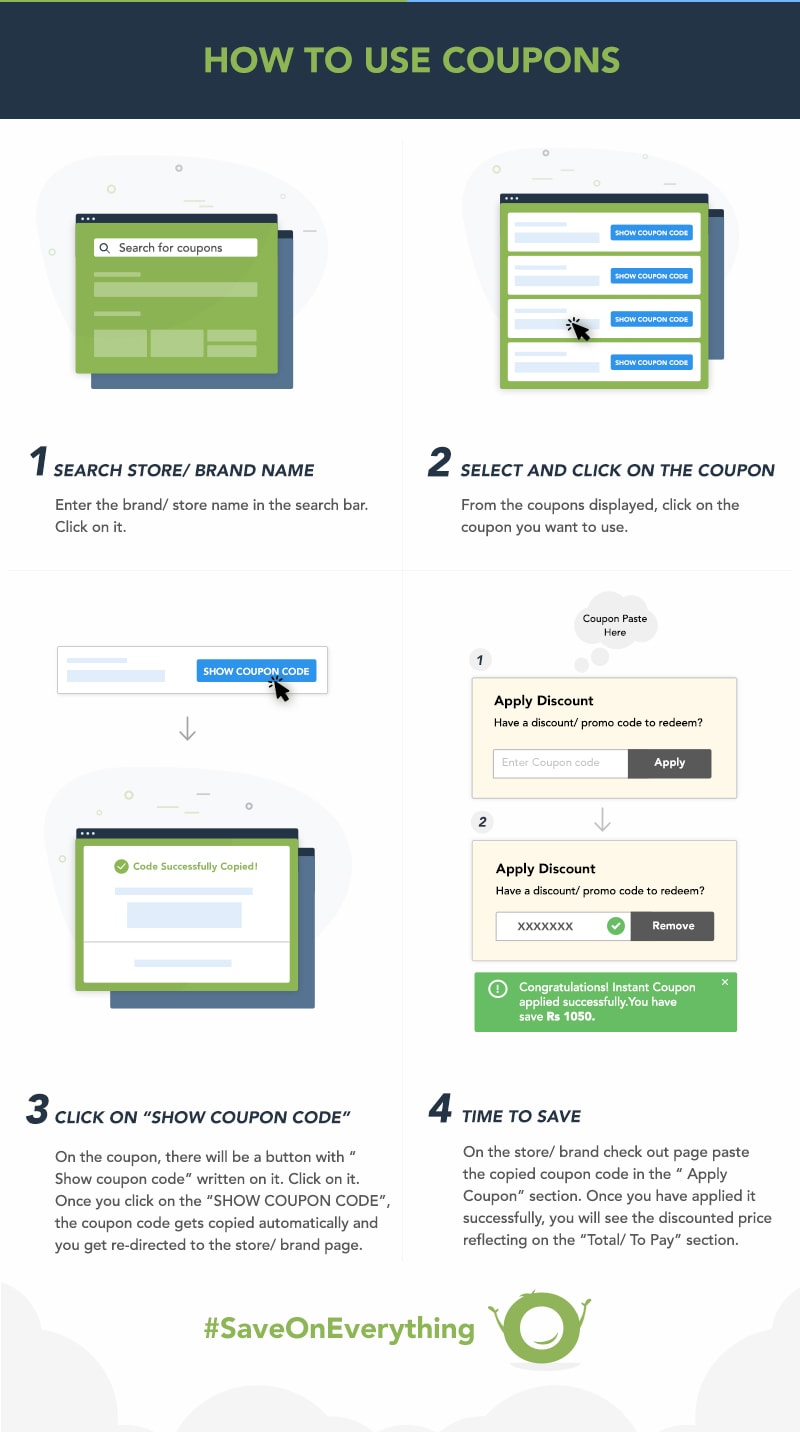
How To Use Direct Ferries Coupons On GrabOn?
Filters
USER TYPES
Categories
-
Flight
-
Travel

More About Direct Ferries
Coupons Info
-
Coupons & Offers
:8
-
Verified
:8
Top Cashback Cards
AU Small Finance Bank
LIT Credit Card
Coupons You May Like

Up To 30% OFF
Massive Deals For Adults-only Holidays - Up To 30% OFF

FLAT 5% OFF
Avail Flat 5% OFF On First Booking
Coupons from Similar Stores
Popular Stores

Subscribe Now
Get The Latest & Best Coupon/Offer Alerts
