


Backblaze Coupon Codes & Offers
Best 8 Coupons & Offers last validated on October 27th, 2026
- All (8)
- Offers (8)
Existing User
- All (8)
- Offers (8)
Get Up To 13% OFF On Annual Subscription Plan
- Get Up To 13% OFF on Annual Subscription Plan
- The plan price starts at $9/month
- Available plans - Personal Backup, Business Backup & More
- All users can avail of this offer
2 Years Business Backup Plan - Save 13% OFF
- Choose now for the 2 Years Business Backup Plan starts at the best price
- Save 13% instant discount on your plan
- The basic price starts at $189
- Available features -
- Manage multiple users
- Administrative controls
Flat 13% OFF On 2 Years Personal backup Plan
- Flat 13% OFF on 2 Years Personal backup Plan
- The price starts from $189
- It includes -
- Unlimited data backup
- Access data anywhere
2 Years Plan Subscription - Up To 13% OFF
- Upgrade now & avail up to 13% OFF on 2 Years Plan Subscription
- Pricing starts at $189/two yrs
- It includes -
- Advanced support
- Enhanced backup lockdowns
- OIDC SSO support
- Restricted restore access
Top Cashback Cards

AU Small Finance Bank
LIT Credit Card
Backblaze Discounts
Get 8% OFF On Yearly Personal Backup Plan
- Get 8% OFF on Yearly Personal Backup Plan
- Starting price at $99 /year
- Available features -
- Unlimited data backup
- Access data anywhere
- Valid for all users
Get Monthly Business Backup Plan Starting @ $9 Per Month
- Get a Monthly Business Backup plan starting at $9 per month
- It includes -
- Manage multiple users
- Administrative controls
- Avail a free trial on your plan
- Offer is accessible to all users
Signup Offer - Grab A Free Trial On Your Plan
- Sign up now for the additional benefits
- Get a free trial on your subscription
- Essential features -
- Automatic backups for computers & external drives
- Unlimited backups, file size, and speed
- Always secure and encrypted
Backblaze Yearly Backup Plan Cuts Cost vs Monthly
- Yearly cloud backup plan priced lower than paying monthly
- Applies to unlimited personal computer backup
- Choose the yearly billing option at signup
Verified Backblaze Coupon Codes & Promo Code For Oct 2026
| Category | Backblaze Discount Code & Offers |
| Annual Plan | Up To 13% OFF |
| 2 Years Business Backup Plan | Save 13% OFF |
| 2 Years Personal Backup Plan | Flat 13% OFF |
| Monthly Business Backup Plan | Starts From $9/Month |
| Signup Offer | Get A Free Trial |
About Backblaze
Backblaze started in 2007 in San Mateo, California, founded by Gleb Budman and four others who wanted online backup to be cheap and simple enough that an ordinary person would actually do it. The origin story is a bootstrapper's tale: the company took in barely a few million in early funding and grew mostly on revenue, which is rare in cloud infrastructure. It went public on the Nasdaq in November 2021 under the ticker BLZE. By 2025 it served more than 500,000 customers across over 175 countries with more than an exabyte of data under management.
The company runs two products that look different but share the same plumbing. Computer Backup is the original: unlimited backup for one computer at a flat yearly price, aimed at people and small teams who just want their files safe offsite. B2 Cloud Storage came later and is the growth engine, object storage that speaks the same S3 language as Amazon Web Services, priced to undercut it heavily. Developers, startups, and IT teams use B2 to store app data, media, and backups without the bill that AWS S3 runs up on data transfer.
For an Indian buyer the practical shape matters. You pay a US company in US dollars, so the same purchase that a local SaaS bill would not carry now picks up GST as an imported digital service, a forex markup on your card, and RBI rules on recurring international charges. Your data also sits in a Backblaze region you choose at signup, US or EU, which feeds into your own DPDP obligations if you handle customer data. Each of those is covered below in plain terms.
Most Backblaze saving in India is not a homepage code. It is picking the right product, using the free CDN egress on B2, choosing pay-as-you-go versus a committed B2 Reserve bundle, and timing any Computer Backup promotion. GrabOn tracks the verified Backblaze coupons and current offer patterns so you know whether a code is live before you reach the dollar checkout.
What Backblaze Offers
Two products, two completely different buyers. Getting Backblaze right starts with knowing which one you actually need, because a coupon that helps a backup customer does nothing for a developer storing app data, and the other way around. Here is what each one is, feature by feature.
Computer Backup: unlimited, one machine, flat price
This is the simple one. Install the app on a Mac or Windows machine, and it backs up everything on the internal drive plus most attached external drives, with no cap on how much. There is no per-gigabyte meter and no folder-picking chore by default, it just protects the whole computer. The price is flat per computer per year, which is the whole pitch: predictable, unlimited, and aimed at someone who does not want to think about storage maths. It comes in Personal and Business flavours, with Business adding central admin for managing many machines.
Version history and the Forever option
Every Computer Backup account keeps 30 days of file version history by default, so you can roll back to an older copy of a file or recover something you deleted in the last month. You can switch on one-year extended version history for free, which is worth doing the moment you sign up since it costs nothing. Beyond that, a Forever option keeps versions indefinitely, but that one carries an extra usage-based charge, so it is not free headroom. Turn on the free year, weigh the Forever add-on only if you genuinely need old versions kept for good.
B2 Cloud Storage: object storage that talks S3
B2 is the developer product. It is object storage you address through an API, and the API is S3-compatible, meaning tools and code written for Amazon S3 mostly work against B2 by changing an endpoint and keys. That compatibility is the reason teams move: the same rclone, the same backup software, the same SDKs, at a fraction of the storage and transfer cost. You pay for what you store and, beyond a generous free allowance, what you pull out. There is no upload or ingress fee at all, so getting data in is free.
The free egress and CDN angle
The detail that defines B2 is egress. Every B2 account gets free egress up to three times its average monthly stored amount, and anything beyond that is one US cent per gigabyte. On top of that, egress is completely free when your data flows out through partner CDNs and compute platforms like Cloudflare, Fastly, bunny.net, and Vultr. For a media site or app serving files to users through one of those CDNs, the download bill can drop to zero. That is the single biggest structural saving B2 offers over Amazon S3.
Free 10GB tier and S3 tooling
You can open a B2 account and get 10GB of storage free, with free Class A API calls and the first 2,500 Class B and C calls each day free, which is enough to test a real integration before spending anything. There is no minimum retention period, so you can write and delete data the same day with no penalty, unlike some rivals that bill a minimum 90-day life on every object. For an Indian developer kicking the tyres, that free tier plus the S3 compatibility means you can prove the setup works on a weekend at no cost.
Best Backblaze Offers
Backblaze is two SaaS products, not a retail store, so the offer mix is narrow and there is no daily sale or bank-card aisle. The saving comes from a handful of levers: a percentage off Computer Backup, the free CDN egress on B2, the pay-as-you-go rate versus a committed B2 Reserve bundle, the free 10GB tier, and the free first-year version history. Below is the shape of what tends to show up. Treat the figures as patterns to verify at the dollar checkout, since Backblaze pricing and any promotion shift over time.
| Backblaze Offer Type | Offer Details | Best For | How to Use |
|---|---|---|---|
| Computer Backup promo code | A percentage off the flat yearly plan, around 99 US dollars per computer per year before any discount | Anyone backing up one or more personal or work machines | Check the live Backblaze coupon on GrabOn, then enter it at the plan checkout |
| Free 10GB B2 tier | 10GB free storage, free Class A calls, no minimum retention | Developers testing an S3-compatible integration | Open a free B2 account, no card needed to start |
| Free CDN egress on B2 | Zero egress when data flows through Cloudflare, Fastly, bunny.net, and other partners | Media sites and apps serving files to users | Route downloads through a partner CDN instead of direct pulls |
| Pay-as-you-go B2 | 6 US dollars per TB monthly, free egress up to 3x stored, no upload fee | Variable or growing storage with no commitment | Use the default usage billing, scale up or down freely |
| B2 Reserve bundle | Capacity bundles from 20TB billed annually, egress and transactions included | Teams with predictable large storage wanting one bill | Buy through a Backblaze partner or reseller |
| Free year of version history | One-year extended version history at no cost on Computer Backup | Backup users who want longer recovery range | Switch it on in account settings after signup |
Lined up against the usual seven offer angles, here is the honest read for Backblaze. The best coupon-code offer is a percentage off Computer Backup, the one product where a code maps cleanly to a discount. The best no-code deal is the free CDN egress on B2, which can wipe out the download charge entirely for the right setup, plus the free 10GB tier and the free upload of all data. There is no India bank-card aisle, since this is a foreign USD checkout, though your own card's international promotions may apply separately. There is no separate Backblaze app store coupon, so that angle does not apply. The best new-user offer is the free 10GB B2 tier paired with the free first-year version history on backup. The best seasonal offer tends to land around year-end global sale weeks, when many software firms run their steepest promotions, so timing a first Computer Backup purchase to then can help. And the best category value is the egress structure on B2, which is where Backblaze separates itself from Amazon S3 on real bills. GrabOn keeps the verified Backblaze coupons aligned with what is live, so check the page before you commit and do not assume an old code still works.
Pricing: Backup and B2
Pricing splits cleanly by product, so price the one you need rather than reading the whole menu. Computer Backup is a flat subscription you can put a single number on. B2 is metered, so the number depends on how much you store and pull. Here is how each works, with the figures to verify at checkout since dollar pricing moves.
Computer Backup pricing
Computer Backup is roughly 9 US dollars a month or about 99 US dollars a year for one computer, with unlimited data on that machine. The yearly route is cheaper than paying monthly, and Backblaze also offers a two-year option that lowers the effective per-month cost further. Business pricing is per computer too, with central management layered on top for teams running many machines. The free one-year extended version history is included at no cost, while the Forever version-history option adds a usage-based charge on top of the base plan.
B2 Cloud Storage pricing
B2 hot storage is 6 US dollars per TB per month, which is 0.005 US dollars per gigabyte. Uploads and incoming transfer are free. For egress, every account gets free download up to three times its average monthly stored amount, and beyond that the rate is 0.01 US dollars per gigabyte, with egress fully free through partner CDNs. API transactions are mostly free at low volume: Class A calls are free, and the first 2,500 Class B and C calls each day are free, with small per-call charges only above that. The free 10GB tier lets you start without paying.
| Product or Plan | Rough Price | What You Get | Best For |
|---|---|---|---|
| Free B2 tier | No cost | 10GB storage, free Class A calls, no minimum retention | Testing an S3-compatible setup |
| B2 pay-as-you-go | About 6 USD per TB monthly | Metered storage, free uploads, 3x free egress then 0.01 USD per GB | Variable or growing storage needs |
| B2 Reserve | From around 1,560 USD per 20TB yearly | Capacity bundle with egress and transactions included, annual billing | Predictable large storage, one bill |
| Computer Backup Personal | About 9 USD monthly or 99 USD yearly per computer | Unlimited backup for one machine, 30-day version history | Individuals and freelancers |
| Computer Backup Business | Per computer, similar base rate | Unlimited backup plus central admin for many machines | Small IT teams and offices |
| Forever version history | Add-on, usage-based | Keeps file versions indefinitely beyond the free year | Long retention needs |
A note on the numbers. The B2 Reserve figure is a capacity-bundle starting point sold through partners, not a self-serve checkout price, and the per-TB rate inside a bundle works out close to the pay-as-you-go rate while folding in egress and support. For most Indian buyers under a few terabytes, plain pay-as-you-go is simpler and there is no reason to commit. Reserve makes sense once your storage is large, steady, and you want a single annual invoice rather than a metered bill that drifts month to month.
The practical filter is product first, size second. If you want a whole laptop or desktop protected with zero thinking, Computer Backup is the flat-fee answer. If you are storing app data, media, or server backups that you address programmatically, B2 is the metered answer, and you should model your egress honestly before comparing it to anything else, because that is where the real cost lives.
How to Start and Apply an Offer
How you start depends on which product you are buying, and the coupon step only really applies to Computer Backup. B2 is a usage account where the saving is structural, not a code. Here is the sequence for each, since mixing them up is the most common confusion.
- Decide the product first: Computer Backup for protecting a whole machine, or B2 Cloud Storage for object storage you address by API.
- For Computer Backup, open the Backblaze listing on GrabOn and copy the current promo code, or note the active plan offer that fits.
- Go to backblaze.com, choose Computer Backup, and download the app for Mac or Windows to start the free trial period before paying.
- When you buy, pick the billing term, one year or two years, since the longer term lowers the effective monthly cost.
- On the purchase screen, find the promo or coupon field and enter the copied code exactly as shown, keeping the case the same.
- Confirm the discount shows on the order summary before you pay, the total should be visibly lower than the listed plan price.
- For B2, open a free account instead, claim the free 10GB, generate your application keys, and point your S3-compatible tool at the B2 endpoint.
- Pay any B2 usage with an international-enabled card, complete the OTP your Indian bank prompts, and save every invoice for GST self-accounting.
Two habits help on a foreign SaaS checkout. First, set your billing term before you apply any code on Computer Backup, because a percentage off a two-year term is worth more than the same percentage off one year, and the longer term is usually the better deal even before the code. Second, have your card's international transactions switched on and your phone ready for the OTP, since a recurring USD mandate in India needs an additional authentication step and a blocked card is the most common reason a checkout stalls. For B2, there is rarely a code to enter at all, so do not wait for one. Open the free tier, switch on free CDN egress in your architecture, and the saving is already built in. Compare the all-in dollar total, forex markup included, rather than only the listed price.
Why a Charge Looks Higher Than Expected
Most Backblaze bill surprises are not coupon failures, they are the metered nature of B2 or the foreign-card layer on any purchase. Because B2 is usage-billed, a charge can run above what you guessed for plain reasons. Run through these before you assume something is wrong.
- Egress over the free allowance. B2 gives free egress up to 3x your average storage; pull more than that and the overage bills at 0.01 USD per GB, so a heavy download month costs more.
- Egress not routed through a CDN. Direct downloads from B2 count toward the meter, while the same data through Cloudflare, Fastly, or bunny.net is free, so check your delivery path.
- Transaction fees at scale. Class A calls are free, but very high Class B or C call volumes above the daily free 2,500 add small per-call charges that stack up on busy apps.
- Storage measured by average, not snapshot. B2 bills on average bytes stored over the month, so deleting data late in the month still leaves a charge for the days it was there.
- Forex markup on the card. Your bank adds a foreign-transaction fee, usually a few percent plus GST on that fee, so the rupee total runs above the dollar sticker.
- GST on an imported service. As an OIDAR supply, the subscription carries 18 percent IGST, which a business self-accounts and an individual pays in the price.
- Computer Backup add-ons. The Forever version-history option is a usage-based extra, so a backup bill above the flat plan often means that add-on is on.
- Currency confusion. Backblaze bills in US dollars; the rupee figure on your statement reflects the conversion rate on the charge date, which moves.
- A code that does not apply to B2. Coupons map to Computer Backup plans, not metered B2 usage, so a B2 charge will not drop because you have a code.
- Card declined before the order resolved. An international-card block or a missed OTP can stop a purchase, which can look like a pricing error when it is a payment one.
If a Computer Backup code itself refuses to apply, the usual reasons are an expired code, a new-customer-only restriction, a renewal exclusion, or a wrong billing term. Pull a fresh code from the live Backblaze listing on GrabOn and confirm your card's international payments are on. For B2, the fix is almost never a code, it is architecture: route egress through a partner CDN, model your average storage honestly, and the bill behaves. One last catch on foreign checkouts is the card itself, so if a charge fails, confirm international transactions are enabled and complete the OTP before retrying. And keep every invoice as you go, since a clean record makes the GST self-accounting painless and saves you reconstructing a year of dollar charges at filing time.
More Ways to Save on Backblaze
Beyond a single code, the bigger Backblaze savings come from how you set things up and which product you commit to. Cloud-storage economics reward smart architecture and honest sizing more than coupon hunting, so the moves below tend to save far more than chasing a code.
- Route B2 egress through a partner CDN. Serving files through Cloudflare, Fastly, bunny.net, or Vultr makes egress free, which on a media-heavy app or site is the largest single saving Backblaze offers. Set this up once and it pays every month.
- Start on the free 10GB B2 tier. Prove your integration works at no cost before you store anything serious. There is no minimum retention, so test data can be written and deleted the same day without a penalty.
- Upload freely, since ingress is free. B2 charges nothing to get data in, so an initial bulk migration costs only the storage it lands in, not the transfer. Move everything in without watching a transfer meter.
- Pick pay-as-you-go until your storage is large and steady. For a few terabytes that drift month to month, metered billing beats a committed bundle. Only move to B2 Reserve once the volume is big, predictable, and you want one annual invoice.
- On Computer Backup, prepay a longer term. The two-year option lowers the effective monthly cost below the yearly rate, so commit only if you are sure the machine will keep being backed up.
- Switch on the free one-year version history. It costs nothing and extends your recovery range from 30 days to a year, so there is no reason to leave it off.
- Weigh the Forever add-on carefully. Indefinite version history is a usage-based charge, not free headroom, so turn it on only if you genuinely need old file versions kept for good.
- Negotiate B2 Reserve only at real scale. Reserve bundles start at 20TB billed annually and fold egress, transactions, and migration support into one figure, so they pay off once your storage is large and steady. Below a few terabytes, plain pay-as-you-go is cheaper and you keep the freedom to scale down. Buy through a Backblaze partner once the numbers justify it.
- Account for the forex markup. Since you pay in US dollars, your card adds a foreign-transaction fee on top, so the real rupee cost is a few percent above the sticker. Factor that in when comparing against any India-billed alternative.
The short version: on B2 the architecture is the discount, free CDN egress and free uploads do more than any code, while on Computer Backup a longer term plus a verified promo keeps the flat fee honest. For an Indian team, model the egress and the forex before comparing Backblaze against a rival, since the headline storage rate is only part of the real bill.
GST, OIDAR, and Tax
18 percent. That is the GST attached to a Backblaze subscription bought from India, because cloud storage and backup sold online by a foreign provider is an imported digital service. In GST language these are OIDAR services, Online Information and Database Access or Retrieval, and they carry an IGST rate of 18 percent like most imported services. How that 18 percent reaches you depends entirely on whether you buy as a GST-registered business or as an individual consumer, so the two cases work differently.
If you buy as a registered business
When the buyer is a GST-registered Indian business, importing an OIDAR service falls under the reverse-charge mechanism, the RCM. In plain terms, the foreign provider does not charge you Indian GST. Instead, you self-account for the 18 percent IGST in your own GST returns, reporting it under RCM and paying it to the government. The upside is that this IGST is generally available as input tax credit, the ITC, where the service is used for business and your filings and documentation are in order. So for a developer or agency using B2 or Computer Backup to run the business, the GST is largely a wash through the credit, provided the paperwork is clean.
If you buy as an individual consumer
When the buyer is an unregistered individual, a B2C OIDAR supply, the model flips. The foreign provider is the one required to register for Indian GST and charge the 18 percent on the sale, since the consumer cannot self-account. Whether that tax appears as a separate line or is folded into the price depends on how Backblaze handles Indian billing, so check your invoice. Either way, an individual cannot claim input tax credit, so for a personal backup plan the GST is simply part of the cost.
What to do
Keep every Backblaze invoice. A business buyer needs it for the RCM self-accounting and the ITC claim, and an individual needs it as a record of what was charged. Report the IGST under RCM in GSTR-3B and GSTR-1 if you are registered, and keep the supporting documents tidy. The exact treatment, eligibility, and whether a given expense qualifies for credit can turn on how your business is set up, so this is the one area where a quick check with your CA or tax advisor is worth more than relying on a coupon page. Rates and rules can change, so verify the current position before filing.
Payment, Cards, and Forex
Paying for Backblaze from India means paying a US company in US dollars, and that adds a couple of layers a local SaaS bill never carries. The plan or usage price is the start, not the finish, once your card and your bank get involved. Here is what to expect at the dollar checkout.
You pay with an international-enabled credit or debit card. The first thing to check is whether your card even allows international online transactions, since many Indian cards have that switched off by default and you can toggle it in the bank app. A blocked card is the single most common reason a foreign SaaS payment fails, and it can look like a coupon or pricing problem when it is really a card problem.
On top of the listed dollar price, your bank adds a foreign-transaction or forex markup, usually a few percent, plus GST on that markup. So a plan that reads as a certain dollar figure costs a little more in rupees once the card is done. That spread is small on a single Computer Backup year but worth counting on a recurring B2 bill, since an India-billed alternative avoids the forex layer entirely.
Because both products bill on their own schedule, the charge is a recurring international mandate, which brings RBI rules into play. Recurring card payments in India run on the e-mandate framework, and transactions above the RBI threshold need additional-factor authentication, usually an OTP, at the time of charge. Card-on-file details are tokenised under RBI rules rather than stored raw. The practical effect: you may get an OTP prompt at signup and again at renewal or on a monthly B2 charge, and if you miss it, the payment can fail. Keep the phone linked to your card handy when a charge is due.
One more point on the larger picture. Paying a foreign provider in dollars for cloud storage is a normal current-account transaction under FEMA, so there is nothing exotic about it for a personal or small-business buyer. The thing to actually manage is the recurring nature: a B2 usage charge or a backup renewal that fires automatically can catch you off guard, especially with the forex markup added. Confirm the dollar amount, account for the markup, and make sure your card and OTP are ready before you commit, and again before any renewal.
Renewal and Cancellation
Renewal is where a subscription most often surprises people, and Computer Backup is the part to watch since it auto-renews on an annual cycle. B2 has no renewal in the same sense, it just keeps billing usage until you stop using it. Getting both right means no unwanted dollar charge.
Computer Backup auto-renews by default. The plan renews at the end of its term unless you turn auto-renewal off in your account first, so the timing matters: disable it before the term ends if you do not want the next year charged. Leave it too late and the new term has already billed, and a renewal charge is far harder to reverse than catching it early. Set a calendar reminder a few weeks before your renewal date.
Turning off auto-renewal does not delete your backup immediately. The plan runs to the end of the paid term and the backup stays available until then, after which the account lapses and the stored data is eventually removed if you do not renew. So if you are stopping for good, restore or export anything you still need before the term ends, since a lapsed backup is not kept around indefinitely. Decide whether you are pausing or leaving, and act before the expiry date either way.
For B2, there is no annual lock-in to cancel. You stop the charge by deleting your data and closing the account, and because there is no minimum retention you are not penalised for removing objects whenever you like. The only ongoing cost is whatever you are storing, so a forgotten bucket with a few terabytes in it keeps billing quietly. Audit your B2 buckets occasionally so you are not paying for data you no longer use.
The practical routine is simple. On Computer Backup, mark a reminder before the term ends, then decide to renew, switch terms, or stop, and check whether the renewal rate matches what you paid before. On B2, treat the bill itself as the thing to manage, since usage billing has no off switch except removing the data. Cancellation and refund questions go through Backblaze support rather than a one-click button, so start early, not on the last day.
Data, DPDP, and Regions
Two things deserve attention beyond price when your files sit with a foreign provider: where the data physically lives and what that means for your own compliance. Both decide how your setup holds up if a customer or a regulator ever asks, and both are easy to overlook until you need them.
Where your files live
Backblaze stores data in regions you choose when you create the account, and you cannot change the region afterwards, so the choice is worth a moment. The options are US West, served from data centres in Sacramento and Phoenix, US East in Reston, Virginia, EU Central in Amsterdam, and a Canada East region. There is no India region, so your Backblaze data sits outside India whichever you pick. For latency from India the choice is a trade-off, and EU Central in Amsterdam is often the closer of the practical options for European-facing work, while US regions suit US-facing workloads.
The DPDP angle for Indian businesses
If your Backblaze account holds any personal data, customer records in a B2 bucket, contact details, anything tied to identifiable people, India's Digital Personal Data Protection Act, the DPDP Act of 2023, applies to how you handle it, even though the storage provider is foreign and the data sits abroad. You as the business are responsible to the people whose data it is, so a basic privacy notice, sensible access controls, and a clear record of where the data lives are worth setting up. The Act allows transfer of personal data outside India except to countries the government may restrict, so storing in a US or EU Backblaze region is generally workable, but the obligation to your users stays with you.
Choosing the region deliberately
Pick the region with both latency and compliance in mind, not just by default. If your customers are European and you want data inside the EU for GDPR reasons of your own, EU Central in Amsterdam keeps it there. If your users and your compute are US-based, a US region cuts latency to them. Because the region is locked at account creation, decide before you sign up rather than after you have uploaded a terabyte. For data you treat as sensitive, document the region choice as part of your own DPDP record-keeping, since being able to say where personal data sits is part of the obligation.
Backblaze vs S3 and Wasabi
Backblaze B2 is one of several S3-compatible storage options an Indian team will weigh, and the right pick turns on your egress pattern and whether you want zero commitment. Amazon S3 is the default that B2 undercuts, Wasabi flattens egress but adds minimums, and IDrive e2 chases the lowest storage rate. The table sets the main options side by side.
| Provider | Storage Rate | Egress | Notes |
|---|---|---|---|
| Backblaze B2 | About 6 USD per TB monthly | Free up to 3x storage, then 0.01 USD per GB, free via partner CDNs | S3-compatible, no upload fee, no minimum retention |
| Amazon S3 | Higher, around 0.023 USD per GB standard | Roughly 0.09 USD per GB, expensive at scale | The default, deepest feature set, egress is the cost trap |
| Wasabi | Flat, no separate egress charge | No egress fee under a reasonable-use policy | Bills a 1TB minimum and a 90-day minimum retention per object |
| IDrive e2 | Often the lowest per-GB storage rate | Egress included within reasonable limits | Aggressive pricing, smaller ecosystem than B2 |
| Google Cloud Storage | Comparable to S3 | Around 0.12 USD per GB, the highest here | Strong if you are already on Google Cloud |
| Azure Blob | Comparable to S3 | Tiered egress, adds up at volume | Natural fit inside a Microsoft stack |
A practical way to read that. If your workload is backup or archival with light retrieval, Backblaze B2 and Wasabi both crush Amazon S3 on cost, often by 70 to 75 percent. The split between them is retention behaviour: Wasabi makes most sense for data you know will live past 90 days, since it bills a 90-day minimum on every object and a 1TB floor, while B2 has no minimum retention and suits high-churn data you write and delete often. For an Indian developer with variable storage, that no-minimum flexibility is a real edge.
On egress specifically, B2 is the standout for anything served to users through a CDN, since Cloudflare, Fastly, and bunny.net make that egress free, which Amazon S3 will never match. Where Amazon S3 still wins is the breadth of the surrounding ecosystem and tight integration with the rest of AWS, so if your whole stack already lives in AWS, the data-transfer savings of moving just storage to B2 have to be weighed against the cross-cloud transfer you would create.
The one place B2 is clearly not the automatic pick is when storage price alone is the whole decision and egress is near zero, where IDrive e2 sometimes lands cheaper per gigabyte, or when you want a single flat bill with no egress thinking at all, where Wasabi's model is simpler despite its minimums. For everyone serving real download traffic, B2's free CDN egress and no-minimum billing are where it earns its place against the field.
Who Backblaze Suits
Backblaze is not one product for one buyer, so the fit depends on which side of it you need. Computer Backup suits people protecting machines; B2 suits teams storing data programmatically. Being honest about which you are saves money and the wrong subscription. Here are the profiles where each makes sense and where it does not.
The individual or freelancer backing up a laptop
This is Computer Backup's core buyer. A photographer, a writer, a consultant, anyone with a single machine full of work they cannot afford to lose. The flat unlimited price means no storage maths, the app runs quietly in the background, and the free one-year version history gives a real recovery range. For someone who just wants their whole computer safe offsite without thinking about it, this is the path of least resistance.
The D2C or SaaS startup serving files
A startup storing user uploads, media, or app assets and serving them to customers fits B2 well, especially through a CDN. The S3 compatibility means your existing tools work, the free uploads keep migration cheap, and the free CDN egress through Cloudflare or bunny.net can take the download bill close to zero. For a small Indian product team watching AWS S3 transfer costs climb, moving storage to B2 is one of the cleaner wins available.
The agency, creator, or IT team wanting cheap offsite storage
An agency archiving client video, a creator with terabytes of footage, or an IT team wanting an AWS S3 alternative for backups all suit B2's pay-as-you-go model. No minimum retention means you are not locked into 90-day object life, and the per-TB rate undercuts the big clouds heavily. Match it to your egress: if retrieval is light or routed through a CDN, B2 is hard to beat on the bill. For an Indian agency billing clients in rupees, the dollar storage cost plus forex is still small against the AWS S3 transfer charges it usually replaces.
Who should look elsewhere
If you need storage physically inside India for a strict data-residency rule, Backblaze has no India region, so a local provider fits better. If your entire stack lives in AWS and you rarely pull data out, the cross-cloud transfer of moving only storage to B2 may cancel the saving, so weigh it. And if you want a single flat storage bill with no egress thinking at all, Wasabi's model is simpler despite its minimums. The honest filter: pick Computer Backup for a machine, pick B2 for programmatic storage with real download traffic, and look past both if India-resident data is a hard requirement.
Is Backblaze Worth It?
Best for: individuals and freelancers who want a whole computer backed up offsite at a flat unlimited price, and developers, startups, agencies, and IT teams who want cheap S3-compatible object storage with free uploads and free CDN egress. The free 10GB B2 tier and the free one-year version history make both products genuinely testable before you spend, and B2's egress structure is where it beats Amazon S3 on real bills.
Be careful if: you need data stored physically inside India, since Backblaze has no India region and your files sit in a US, EU, or Canada region you pick at signup and cannot change later. Be careful too on B2 egress beyond the free 3x allowance if you are not routing through a partner CDN, on the Forever version-history add-on that bills on top of the flat backup plan, and above all on the recurring USD charge plus forex markup, which makes the rupee cost a few percent above the sticker.
Best saving move: on B2, route egress through a partner CDN like Cloudflare or bunny.net so download is free, start on the free 10GB tier, and stay pay-as-you-go until your storage is large and steady. On Computer Backup, prepay the two-year term during a year-end sale window with a verified code, switch on the free one-year version history, and disable auto-renewal in good time so the renewal does not land at full dollar price plus forex. Confirm the live discount and the all-in rupee cost on the checkout before you commit.
Frequently Asked Questions
Are Backblaze coupons on the GrabOn listing valid and active for this month?
The Backblaze offers on the GrabOn listing reflect current October 2026 patterns on a verify-before-commit basis, since software promos rotate and dollar pricing shifts. A code mostly applies to Computer Backup, the flat unlimited plan, while B2 Cloud Storage is usage-billed so the saving there is structural, not a code. Copy the freshest code from the live listing and confirm the discount shows on the order summary before you pay. The steepest software discounts often land around year-end sale weeks.
Is Backblaze B2 really free, and what does the free tier include?
Yes, Backblaze B2 has a genuinely free tier that needs no card to start. It includes 10GB of storage, free Class A API calls, and the first 2,500 Class B and C calls each day free, with no minimum retention so you can write and delete data the same day without a penalty. The S3-compatible API lets you test a real integration using your existing tools before spending anything, then scale into pay-as-you-go billing at 6 US dollars per TB monthly.
How much does Backblaze Computer Backup cost in India?
Backblaze Computer Backup is roughly 9 US dollars a month or about 99 US dollars a year for one computer, with genuinely unlimited data on that machine, and a two-year option lowers the effective monthly cost further. Paid from India, the dollar price also carries 18 percent GST as an imported OIDAR service plus your card forex markup of a few percent, so the real rupee cost runs above the sticker. The free one-year version history is included; the Forever option adds a usage-based charge.
How does B2 free egress and CDN egress actually work?
Every Backblaze B2 account gets free egress up to three times its average monthly stored amount, and anything beyond that bills at 0.01 US dollars per gigabyte. Egress is completely free when your data flows out through partner CDNs like Cloudflare, Fastly, bunny.net, and Vultr. For a media site or app serving files through one of those CDNs, the download charge can drop to zero. That free CDN egress is the biggest structural saving B2 offers over Amazon S3, which charges around 0.09 US dollars per gigabyte.
How is GST charged on a Backblaze subscription bought from India?
A Backblaze subscription is an imported digital service, an OIDAR service, so it carries 18 percent IGST. How it reaches you depends on who you are. A GST-registered business self-accounts for the 18 percent under the reverse-charge mechanism and can usually claim it back as input tax credit where the service is used for business. An individual consumer cannot self-account, so the foreign provider charges the GST, and an individual cannot claim credit. Keep every invoice, and check the exact treatment with your CA.
Where does Backblaze store my data, and is there an India region?
Backblaze stores your data in a region you pick at signup, and you cannot change it afterwards, so choose carefully. The options are US West from Sacramento and Phoenix, US East in Reston Virginia, EU Central in Amsterdam, and a Canada East region. There is no India region, so your data sits outside India whichever you select. If you handle personal data, the DPDP Act of 2023 still applies, and it generally allows transfer abroad except to restricted countries, so a US or EU region is usually workable.
Why does my Indian card get declined or ask for an OTP on Backblaze?
Backblaze bills in US dollars, so the payment is an international transaction, and many Indian cards have international online use switched off by default, which you can enable in your bank app. Because the products bill on a recurring schedule, it is a recurring mandate under RBI rules, and charges above the RBI threshold need additional-factor authentication, usually an OTP. A blocked card or a missed OTP is the most common reason a purchase fails, and it can look like a coupon problem when it is really a card problem.
Is Backblaze B2 a good alternative to AWS S3 for an Indian team?
Backblaze B2 is a strong AWS S3 alternative for backup, archival, and media workloads, since it is S3-compatible and prices storage at 6 US dollars per TB monthly with free uploads and no minimum retention. The biggest difference is egress: B2 gives free egress up to 3x storage and free egress through partner CDNs, while S3 charges around 0.09 US dollars per gigabyte to pull data out. For backup and light-retrieval workloads, teams commonly save 70 to 75 percent versus S3. The catch is no India region.
How To Use Backblaze Coupons On GrabOn?
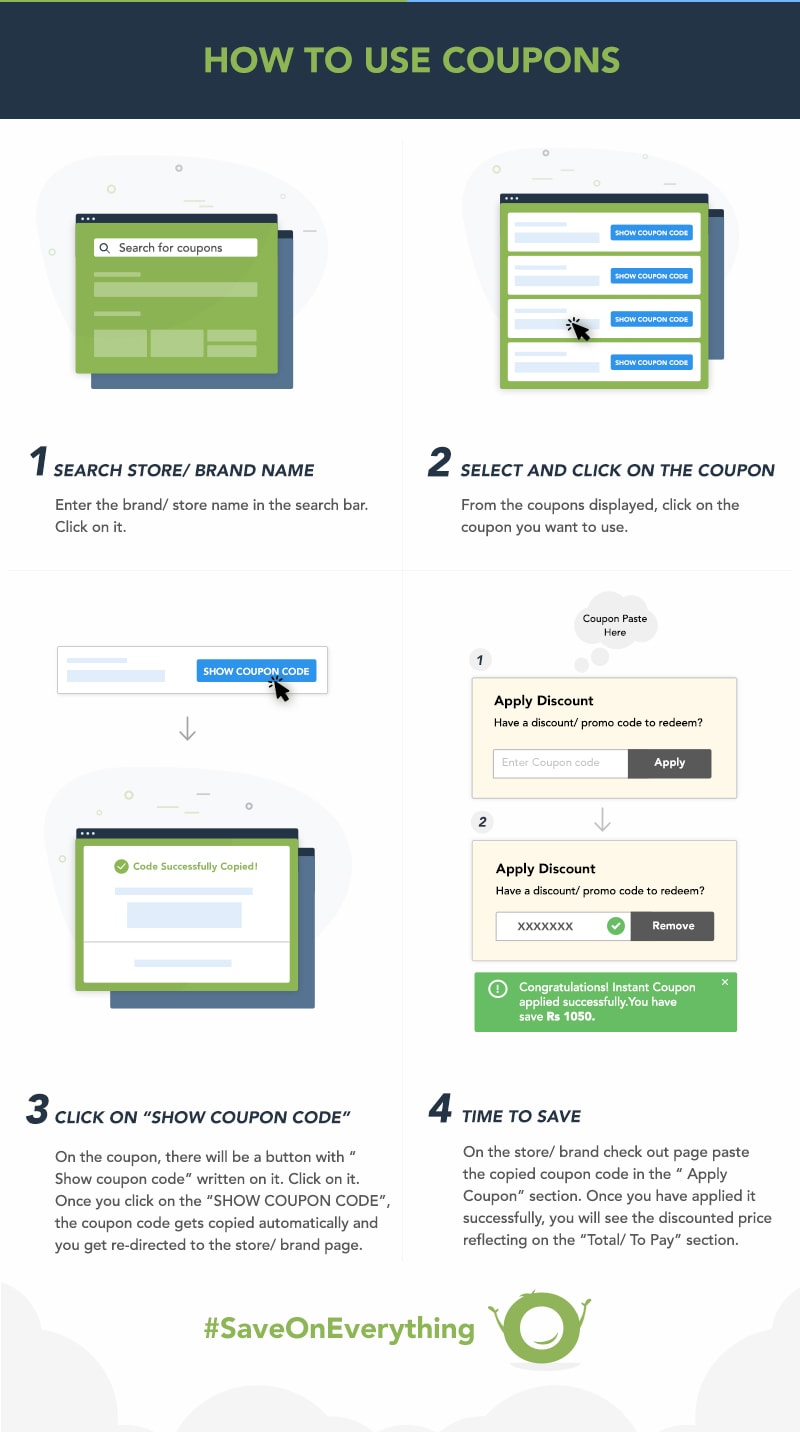
Filters
USER TYPES
Categories

More About Backblaze
Coupons Info
-
Coupons & Offers
:8
-
Verified
:8
Top Cashback Cards
AU Small Finance Bank
LIT Credit Card
Coupons You May Like

Up To 50% OFF
Get Up To 50% OFF On Annual Subscription Plan
TOP BUYS
Cloud Servers Plan Starting @ $4 Per Month
Coupons from Similar Stores
Popular Stores

Subscribe Now
Get The Latest & Best Coupon/Offer Alerts
