



Staybook Coupon Codes
Best 8 Coupons & Offers last validated on October 26th, 2026
- All (8)
- Offers (8)
Existing User
- All (8)
- Offers (8)
Get Up To 40% OFF On Tours & Hotel Stays
- Enjoy up to 40% OFF on hotel stays, local tours & travel experiences.
- The price starts from Rs 999 per night.
- Perfect for vacations, sightseeing & adventure plans.
- Grab the deal before it ends!
Hotels-In-Amritsar - Up To 35% OFF On Your Bookings
- Get up to 35% OFF on hotels in Amritsar.
- Hotel prices start from Rs 1000/night
- It includes:
- Clean Linen
- Pet Allowed
- Non-Smoking Area
- Wake-up Service
- conference/meeting rooms
- conference/meeting rooms
- airport shuttle service
Book Hotels Starting @ Rs 999/Night
- Hotel bookings start at just Rs 999 per night.
- Choose from a wide range of hotels across multiple cities.
- Book your stay at unbeatable prices today.
- HurryUp!
Explore Top Travel Destination With Staybook at Best Price!
- Plan your perfect getaway with Staybook at unbeatable prices.
- Explore top destinations with curated hotels, tours & activities.
- Book now and turn your travel dreams into reality!
- HurryUp!
Top Cashback Cards

AU Small Finance Bank
LIT Credit Card
Staybook Promo Codes
Book Travel Experiences Starting @Rs 1499
- Browse curated activities, adventures & guided tours.
- Prices start from Rs 1499 for top destinations.
- Book today & save more
Activities in Delhi - Starting At Just Rs 275
- Book Activities in Delhi at an affordable price.
- Starting at just Rs 275.
- Visit the site & grab the offer!
Get 24x7 Customer Support for Hassle-Free Travel!
- Get 24/7 Customer Support for Stress-Free Travel.
- Travel with confidence and complete peace of mind.
- Experience smooth and stress-free journeys.
- HurryUp!
Free Cancellation On Hotel & Tour Bookings
Latest Staybook Promo Codes & Discount Codes For Oct 2026
| Category | Staybook Coupon Codes & Offers |
| Tours & Hotel Stays | Up To 40% OFF |
| Hotels-In-Amritsar | Up To 35% OFF |
| Hotel Bookings | Starting at Just Rs 999/Night |
| Top Travel Destination | Starting at Just Rs 1499 |
| Activities in Delhi | Starts At Rs 275 |
About Staybook
Staybook runs out of Delhi as an online travel platform, and it sells more than just rooms. The site at staybook.in lists hotel bookings, tours and holiday packages, things-to-do activities, and admission tickets to attractions, all aimed at travel inside India and priced in rupees. It works as an intermediary, which means it connects you to hotels and local activity suppliers rather than owning the properties itself. You search, you book, and the room or the experience is delivered by the partner on the ground.
The model is easy to picture. You pick a city, a hotel or a tour, and your dates. Staybook shows a price, you either pay online or choose to settle at the hotel, and a confirmation lands by email and SMS with a booking number. On the activity side, the site offers a book-now-pay-later option for some tours and sends the tickets right after booking. The reach spans common Indian travel spots, with listings seen for Delhi, Agra, Jaipur, Jim Corbett, Shimla, and Mumbai among others, so it leans toward leisure trips and weekend getaways more than corporate stays.
A few specifics are worth setting straight, because public figures on the company are thin. Staybook describes a wide hotel network and partnerships with several large Indian brands, but the exact founder name, founding year, and hotel count are not consistently confirmed across sources, so treat any single number with caution and verify on the site itself. What is clear is the shape of the business: a rupee-billed Indian booking platform, payments handled through a standard gateway, and a mix of prepaid and pay-at-hotel options.
One honest note on reputation, since it affects how you should book. Reviews are mixed. There are positive write-ups on Trustpilot praising the support and specific tour managers, alongside at least one serious TripAdvisor complaint about a Jim Corbett booking that the property said it never received. That split is not unusual for an intermediary that relies on third-party suppliers, but it does mean one habit pays off: keep your confirmation email and booking number, and for any high-value or remote-resort stay, call the hotel directly a day ahead to reconfirm the room is held in your name. A two-minute call removes most of the risk the negative reviews describe.
Most Staybook saving in India is a percentage or flat discount on the room tariff or the tour price, plus prepaid deals and an in-room dining offer on direct bookings. GrabOn tracks the verified Staybook coupons and current offer patterns so you can check whether a code is live before you reach the payment page.
What Staybook Offers
Four product lines sit under one login, and they save you in different ways. The thing to get right first is which one you are actually booking, because a hotel room, a multi-day tour, a single activity, and an attraction ticket each carry their own pricing, tax, and cancellation logic. Here is what each is and who it suits.
Hotel rooms: the core product
This is the main reason most people land on the site. You search a city and dates, filter by budget or area, and book a room at a partner property. Listings run from budget guesthouses to mid-range and a few higher-end resorts, so the per-night rate swings widely, and that rate decides your GST slab too. For a leisure traveller the appeal is a single rupee price, a confirmation number, and the choice to prepay or pay at the hotel. Read the specific room policy before you book, since cancellation terms and what is included can differ property to property.
Tours and holiday packages: the bundled trip
Beyond single rooms, Staybook lists tours and holiday packages that fold stay, sightseeing, and sometimes transport into one price. These suit a traveller who wants the trip planned rather than pieced together, a Golden Triangle run through Delhi, Agra, and Jaipur being the classic example. The trade-off is flexibility: a package locks the itinerary, so weigh the convenience against booking each part yourself. Package tax treatment also differs from a plain room, so check what the quoted price includes.
Things-to-do and activities: the day-out add-on
The activities section covers experiences and day tours you can slot into a trip, from city walks to adventure outings. Some carry a book-now-pay-later option, which is handy when you are still firming up dates. For a family or a group, booking the activity ahead avoids the on-site queue and the on-the-day price, and the ticket reaches you right after payment. Check the listed inclusions, since a tour price may or may not cover entry fees, meals, or transfers.
Admission tickets: skip the counter queue
Staybook also sells admission tickets to attractions and monuments, which lets you book entry before you arrive rather than standing in line at the gate. This is the simplest product on the site and the one with the least fine print, though refund rules on dated tickets tend to be strict. For a busy holiday weekend at a popular monument, a pre-booked ticket is a small saving in time that can matter more than the rupee saving.
Coverage and what it means for you
The platform leans toward domestic leisure travel. Listings concentrate on the routes Indian holidaymakers actually take, the hill stations, the heritage cities, the wildlife resorts, and the metro getaways, rather than a deep corporate-hotel inventory in every business district. That focus matters when you compare it to a giant like MakeMyTrip, which carries far more properties in every category. Where Staybook can earn its place is on a specific leisure deal or a bundled tour at a price that beats the big platforms, so the smart move is to check your exact hotel and dates here against one larger site before you commit.
Best Staybook Offers
Staybook is a booking platform, not a retail store, so the offer mix is narrow and there is no daily flash sale across thousands of SKUs. The saving comes from a few levers: a percentage or flat coupon on the room tariff or tour price, a prepaid booking deal that prices below pay-at-hotel, an in-room dining discount on direct bookings, the best-price listing on a given property, and timing the booking to off-season or sale weeks. Below is the shape of what tends to show up. Treat the figures as patterns to verify at checkout, since hotel pricing and any promotion shift by property, city, and date.
| Staybook Offer Type | Offer Details | Best For | How to Use |
|---|---|---|---|
| Percentage or flat coupon | A percentage or flat amount off the room tariff or tour price, applied before payment | Anyone booking a hotel stay or a tour in India | Check the live Staybook coupon on GrabOn, then enter it at checkout |
| Prepaid booking deal | Paying online at booking often prices lower than the pay-at-hotel rate | Travellers sure of their dates who can prepay | Choose the prepay option instead of pay-at-hotel |
| In-room dining discount | Around 15 percent off in-room dining on direct site bookings | Guests who plan to order food at the hotel | Book direct on staybook.in to qualify for the dining offer |
| Off-season and weekday saving | Lower room rates outside peak holiday weeks and on weekday stays | Flexible travellers who can shift dates | Book midweek or off-season rather than a holiday weekend |
| Package and group saving | A bundled tour or a group booking can price lower per head | Families and groups travelling together | Compare a package against booking each part separately |
| Book-now-pay-later activity | Reserve a tour or activity now and settle later on some listings | Travellers still firming up trip dates | Pick a listing that shows the pay-later option |
Lined up against the usual offer angles, here is the honest read for Staybook. The best coupon-code offer is a straight percentage or flat amount off the booking total, the one lever that maps cleanly to a discount, so always check for a live code first. The best no-code saving is the prepaid rate combined with off-season or weekday timing, since those move the base price more than any single coupon. There is no visible India bank-card day aisle of the kind a big e-commerce site runs, though the payment gateway may carry its own card promotions at times, so check at checkout. There is no separate app coupon worth chasing as a rule. The best new-user move is to layer a verified code on a prepaid booking during a quieter travel week. And the best value by category is a bundled tour or a group stay where the per-head cost drops. GrabOn keeps the verified Staybook coupons aligned with what is live, so check the page before you commit and do not assume an old code still works.
Room Tariff, Taxes, and Fees
The price you see on a Staybook listing is the room tariff, and the bill at the end is that tariff plus tax. Unlike a fixed-quote service, a hotel rate moves with the city, the property, the season, and the day of the week, so the same room can read very differently across two dates. What stays consistent is how the extra layers stack on top. Here is how the number is built and what pushes it up.
What sets the room tariff
The base rate turns on the property class, the location and city, the room type, and the dates. A heritage hotel in Jaipur during the wedding season costs more than a budget room in the same city in the monsoon. Holiday weekends, long weekends, and festival periods all lift the rate, while weekdays and off-season weeks pull it down. Add-ons like an extra bed, breakfast, or a higher room category change the figure too. Because the rate is per night, your total scales with the length of stay, and so does the tax.
How the tariff bands map to GST
| Per-Night Room Tariff | GST Rate | What It Means | Typical Property |
|---|---|---|---|
| Up to Rs 1,000 | 0 percent (nil) | No GST added on the room rate | Budget guesthouses and basic rooms |
| Rs 1,001 to Rs 7,500 | 5 percent | GST added, hotel cannot claim input tax credit at this slab | Most budget and mid-range hotels |
| Above Rs 7,500 | 18 percent | GST added, full input tax credit available to the hotel | Premium and luxury properties |
A note on what you actually pay. The headline tariff is the room rate, and the GST sits on top of it at the slab set by the per-night figure. So a room listed at Rs 4,000 a night carries 5 percent GST, while one at Rs 9,000 carries 18 percent. There can also be small extras at the property, a service or convenience fee on some bookings, or charges for add-ons you select, so the all-in figure runs a little above the listed tariff. The smart move is to read the price breakup on the payment screen before you pay, since that is where the tax and any fee show as separate lines. For a tour or a ticket the tax treatment differs from a plain room, so check what the quoted package price already includes.
Why the slab is set by tariff, not the price you pay
One detail trips people up. GST is charged on the declared room tariff, which is the rate before any discount, not always on the lower figure you end up paying after a coupon. So a room with a rack tariff above Rs 7,500 that you book at a discount can still attract the 18 percent slab on the declared rate. This is the rule across Indian hotels, not a Staybook quirk, and it is why two rooms at a similar final price can carry different tax. The practical read: check the price breakup so you know which slab applies, and remember the slab follows the tariff band, not the coupon-adjusted total.
How to Book and Apply a Code
Booking runs in a clear order, and the coupon step sits near the end on the payment screen. Get the inputs right at the start, because the price, the room, and the confirmation are built from the city, dates, and guest details you enter. Here is the sequence from search to confirmation.
- Go to staybook.in and enter your destination city, your check-in and check-out dates, and the number of guests and rooms.
- Browse the results, filter by budget, area, or property type, and open a listing to read the room policy and what the rate includes.
- Select your room type, add any extras you need such as breakfast or an extra bed, and choose prepay or pay-at-hotel where the property allows it.
- Move to the payment or checkout screen, find the coupon or promo code field, and enter the code from the live Staybook listing on GrabOn, keeping the case exactly as shown.
- Confirm the discount shows on the price breakup before you pay, the total should be visibly lower than the pre-code figure.
- Pay through the gateway with UPI, a card, or netbanking, or pick the pay-at-hotel option if you would rather settle on arrival.
- Complete any OTP or bank authentication your card or UPI app prompts, then wait for the confirmation email and SMS with your booking number.
- Save the confirmation, and for a remote resort or a high-value stay, call the hotel a day ahead to reconfirm the room is held in your name.
A few details are easy to skip but matter on the day. Get the guest count and room count right, since a rate priced for two can fall short if a third guest turns up, and adding a person at the property costs more than fixing it at booking. Check the exact property name and city, especially where a chain has several outlets, so the confirmation points to the hotel you meant. Read whether the rate is refundable or non-refundable before you apply a code, because a cheap non-refundable rate is no saving if your plans wobble. And note the check-in time and the ID requirement, since Indian hotels ask for a valid photo ID at the desk.
Two habits help on a hotel checkout. First, decide prepay versus pay-at-hotel before you apply any code, since some discounts only attach to a prepaid rate and the prepaid figure is often lower anyway. Second, keep the phone linked to your card or UPI handy for the OTP, since a missed authentication is a common reason a booking stalls, and it can look like a coupon problem when it is really a payment one. Compare the all-in figure, tariff plus GST plus any fee, rather than only the listed room rate, and weigh it against the same hotel on a larger platform before you commit.
Why a Booking Costs More Than the Room Rate
Most Staybook bill surprises are not coupon failures, they are the tax and fee layer on top of the room rate or an input that changed the tariff. Because the listing shows the room rate and the bill adds tax, the final figure can land above what you first read for plain reasons. Run through these before you assume something is wrong.
- GST on the room tariff. The slab is 5 percent on rooms from Rs 1,001 to Rs 7,500 and 18 percent above Rs 7,500, added on the room rate, so the total runs above the listed tariff.
- GST charged on the declared tariff. The slab follows the rack rate before any discount, so a discounted premium room can still carry the higher slab on the declared rate.
- Service or convenience fee. Some bookings carry a small platform or service fee shown as a separate line on the price breakup.
- A higher room category than intended. Picking a suite or a deluxe room instead of the base room lifts both the tariff and the tax.
- Peak or festival dates. A holiday weekend, a long weekend, or a festival week carries a higher per-night rate baked into the tariff.
- A longer stay than expected. The rate is per night, so an extra night raises both the room cost and the GST on it.
- Extras added at booking. Breakfast, an extra bed, or an added activity each change the total.
- A package instead of a plain room. A bundled tour folds in stay, sightseeing, and sometimes transport, so it prices above a room alone and is taxed differently.
- A code that did not apply. The promo may be expired, property-restricted, or below a minimum, so the price stayed at full.
- Card declined or OTP missed. A failed authentication can stop a booking, which can look like a pricing error when it is a payment one.
If a promo code itself refuses to apply, the usual reasons are an expired code, a property or date restriction, a minimum-spend rule, or a prepaid-only condition on the offer. Pull a fresh code from the live Staybook listing on GrabOn and confirm your booking type matches the offer. If the final figure is higher than the room rate, that is almost always the GST slab and any service fee, not an error, so read the price breakup before you dispute it. One last catch on the payment step is the card or UPI itself, so if a charge fails, complete the OTP and retry before assuming the coupon broke. And keep the confirmation and the invoice, since a clean record helps with any refund or service claim later.
More Ways to Save on Staybook
Beyond a single code, the bigger Staybook savings come from how and when you book. Hotel pricing rewards flexible dates and a little comparison more than coupon hunting, so the moves below tend to save more than chasing a code.
- Shift to weekdays or off-season. Room rates drop midweek and outside peak holiday weeks, so a Tuesday-to-Thursday stay or a monsoon trip to a hill station costs far less than the same room on a long weekend. This is the easiest structural saving.
- Prepay when you are sure of your dates. The prepaid rate often prices below the pay-at-hotel rate, and some coupons only attach to a prepaid booking. Skip it only if your plans might change, since the cheaper rate can be non-refundable.
- Book direct for the dining offer. Booking on staybook.in carries an in-room dining discount of around 15 percent, which adds up if you plan to order meals at the hotel. Worth claiming on a longer stay.
- Compare a package against booking the parts. A bundled tour can save over piecing the trip together, but not always, so price the package against booking the room and the activities separately before you choose.
- Split a group stay. For a family or a friends group, booking multiple rooms or a package together can price lower per head than separate one-off bookings. Ask whether a group rate applies.
- Watch the tariff band near a slab edge. A room just over Rs 7,500 jumps from the 5 percent slab to 18 percent, so a slightly cheaper room under that line can save more on tax than the rate difference suggests. Worth a look when two rooms are close in price.
- Compare the all-in figure against a bigger platform. For a common city hotel, MakeMyTrip, Goibibo, or Booking.com may carry the same property cheaper once tax is counted, so check both before booking the leisure deal that brought you here.
- Use a card that runs hotel or travel offers. Since the gateway accepts cards, a card with a travel cashback or a seasonal hotel promotion trims the cost. Check what your bank is running that month.
- Reconfirm before you travel rather than rebook. If a detail looks off, contact the hotel and Staybook support before cancelling and rebooking, since a fresh booking can lose a discounted rate and a cancellation may carry terms.
There is also a timing angle that pays off on a multi-stop trip. If your holiday hits more than one city, with separate hotels and activities, book each leg as part of the same trip rather than scattering them, since keeping the confirmations in one place makes the vouchers easier to manage on the road and lets you apply one verified code across bookings where the offer allows. It also keeps the support contacts together, which helps if a check-in needs a quick call while you are travelling.
The short version: on Staybook the date and the booking type are the discount, weekday and off-season stays plus a prepaid rate do more than any code, while a verified promo keeps the tariff honest on top. For an Indian traveller, read the price breakup and the GST slab before comparing it against a bigger platform, since the listed room rate is only part of the real bill.
GST on Hotel Bookings
One tax matters most on a Staybook hotel booking from India, and it is GST on the room tariff. Because this is a domestic booking paid in rupees, there is no foreign-currency layer, no forex markup, and none of the overseas-travel tax rules apply. The thing to understand is the slab structure, since it sets how much sits on top of the room rate.
The GST slabs on hotel rooms
The rates were revised by the GST Council and the current structure, effective from 22 September 2025, runs in three bands by per-night tariff. A room up to Rs 1,000 a night carries nil GST. A room from Rs 1,001 to Rs 7,500 carries 5 percent, and at this slab the hotel cannot claim input tax credit. A room above Rs 7,500 carries 18 percent, with full input tax credit available to the property. So the slab follows the per-night figure, which is why a budget room and a luxury room are taxed so differently.
Charged on the declared tariff
The slab is decided by the declared room tariff, the rate before any discount, not always by the lower figure you pay after a coupon. A premium room with a rack rate above Rs 7,500 booked at a discount can still attract 18 percent on the declared rate. This is standard across Indian hotels and not specific to Staybook, so read the price breakup on the payment screen to see exactly which slab applies and how much tax is added.
Tours, tickets, and what to do
A bundled tour, a holiday package, or an admission ticket is taxed differently from a plain room, so the quoted package price may already fold in the applicable tax rather than show it as a separate room-GST line. Keep every confirmation and the GST invoice, since a GST-registered business booking a stay for work may be able to claim input tax credit at the 18 percent slab where eligible. For a personal traveller the realistic position is simply that the slab on the room rate is part of the price. Rates and slabs have changed before, so confirm the current band on the price breakup at booking rather than assuming an old figure.
Payment, UPI, Cards, and Pay-at-Hotel
Paying for Staybook from India is a plain rupee transaction, which keeps it simpler than any overseas booking. You can settle online at booking or, where the property allows, pay at the hotel on arrival. Here is what to expect at the payment step and which option suits which trip.
Online payments run through a standard Indian payment gateway, with details handled securely rather than stored in the open. The accepted methods cover UPI through apps like Google Pay, PhonePe, and Paytm, credit and debit cards, and netbanking, which are the everyday ways Indians pay online. UPI is usually the fastest at checkout and avoids any card-saving step, while a card may carry its own travel cashback or a seasonal hotel offer worth checking before you pick a method.
The pay-at-hotel option is the other route. On bookings that allow it, you reserve the room online without paying upfront and settle the bill at the property by card, UPI, or another method the hotel accepts. This suits a traveller who wants the room held without committing the money early, or who prefers to pay only after seeing the room. The trade-off is that a prepaid rate is often lower and some coupons only attach to a prepaid booking, so pay-at-hotel can cost a little more for the flexibility it buys.
A word on saved cards and authentication. Indian card rules under the RBI tokenise saved card details rather than storing the raw number, and many online payments need additional-factor authentication, usually an OTP. The practical effect is that you may get an OTP prompt at payment, and missing it can stall the booking, so keep the phone linked to your card or UPI handy. For a one-time hotel booking there is no recurring mandate to manage, since you pay the full amount once, whether at booking or at the hotel.
One habit makes the payment go cleanly the first time. Decide prepay or pay-at-hotel before you reach the gateway, because switching at the last step can drop a prepaid-only discount, and confirm the price breakup shows your coupon before you authorise the payment. If a charge fails, it is usually the OTP or a card limit rather than the booking system, so complete the authentication and retry rather than starting over and risking the loss of a discounted rate.
Cancellation, Refunds, and No-Show
Plans shift, and a hotel booked weeks ahead needs to flex, so the cancellation terms matter as much as the price. Staybook sets a free-cancellation window on prepaid bookings, but each property and supplier can layer its own policy on top, so the rule is not one-size-fits-all. Here is how each part works.
Free cancellation runs on a window. On prepaid bookings, Staybook allows free cancellation if you cancel at least 24 hours before the check-in date, with the amount refunded. Cancel inside that 24-hour window and the free-cancellation cover no longer applies, so a charge or a partial deduction can follow. The clear read: if your plans are shaky, cancel early rather than on the day, and do not assume a same-day change is free.
Each booking also sits under the supplier policy. Because Staybook is an intermediary, the individual hotel or activity supplier sets its own cancellation and refund terms, and those can be stricter than the platform default, especially on discounted or non-refundable rates. So read the specific room policy on the listing before you book, since a cheap non-refundable rate offers no refund whatever the platform window says. A refundable rate costs a little more but buys back that flexibility, which is worth it when dates are uncertain.
Refunds follow the original payment route. Where a refund is due, it is processed back to the method you paid with, a card, UPI, or netbanking, and the timing depends on the gateway and the bank, commonly several working days. Keep the confirmation and the cancellation reference, since a clean record speeds any refund query. For a tour or a dated admission ticket, refund rules tend to be tighter than for a room, so check those terms before you book the activity.
A no-show is the costliest outcome, so it is worth flagging. If you neither cancel nor turn up, a no-show usually forfeits the prepaid amount under most hotel policies, with no refund. The simple guard is to cancel within the free window the moment you know you cannot travel, rather than letting the booking lapse. And given the mixed reviews about an occasional booking not reaching a property, the strongest move on a remote or high-value stay is to call the hotel a day ahead, confirm the room is held in your name, and keep a note of the call, since that record supports a claim under the Consumer Protection Act 2019 for a deficiency in a paid-for service.
One more practical point on service issues. For an Indian buyer, a booking that the hotel says it never received, or a room that does not match what was sold, is a service deficiency, and the Consumer Protection Act 2019 along with the E-Commerce Rules 2020 give you a route to a refund or redress. Raise it first with Staybook support with your booking number and the confirmation, give them a reasonable chance to fix it, and keep every message, since documented attempts strengthen any escalation.
Data, DPDP, and Guest Privacy
Booking a hotel hands over real personal data, so it is worth knowing what Staybook collects and how Indian law treats it. A reservation carries your name, contact details, payment information, and at check-in a photo ID, and that trail is exactly what the data rules are built around. Here is the plain version.
At booking, the platform collects what it needs to confirm and service the stay: your name, email, phone number, dates, and payment details processed through the gateway. The site states that card details are handled securely through an authorised payment gateway rather than stored in the open, which is the standard setup for an Indian booking platform. At the hotel itself, the property asks for a valid photo ID such as Aadhaar or a passport at check-in, which is a routine requirement across Indian hotels.
The Digital Personal Data Protection Act 2023, the DPDP Act, sets the rules for that data. It requires clear, informed consent before personal data is collected or used, limits how freely a business can pass guest data between partners, and gives you rights over your own information. The substantive provisions are being phased in, with the main obligations expected to take effect through 2027 under the DPDP Rules, so the compliance picture is still settling. The practical point for you is simple: a platform and a hotel are expected to keep your booking and ID data safe and use it only for the stay, not to share it loosely.
A few habits protect your data on any booking site. Use a strong, unique password and keep UPI and card OTPs to yourself, since most account trouble comes from shared credentials rather than a platform breach. Give only the details a booking actually needs, and be cautious about saving a card unless you book often. When you check in, it is reasonable to ask why an ID copy is being taken and how it is stored, since under the DPDP framework you are entitled to that clarity. And keep your own copy of the confirmation and invoice, both for any refund claim and as your record of what you agreed to.
Staybook vs MakeMyTrip and OYO
Staybook is one of several ways an Indian traveller can book a stay, and the right pick turns on inventory depth, the kind of property you want, and whether you value a wide platform or a specific leisure deal. MakeMyTrip and Goibibo carry huge inventory, OYO and Treebo and FabHotels run budget and mid-range brands, and Booking.com and Agoda add global reach. The table sets the main options side by side.
| Platform | Model | Inventory and Focus | Notes |
|---|---|---|---|
| Staybook | Intermediary for hotels, tours, tickets in India | Domestic leisure stays, packages, activities | Rupee billing, prepaid or pay-at-hotel, mixed reviews, verify high-value bookings |
| MakeMyTrip | Full-service OTA | Very large hotel inventory plus flights and packages | Strong bank-card offers, wide coverage, established support |
| Goibibo | Full-service OTA, part of the same group as MakeMyTrip | Large hotel inventory, app-led deals | Frequent app offers and goCash wallet |
| OYO | Budget hotel brand and aggregator | Standardised budget rooms across many cities | Aggressive pricing, app-first, quality varies by property |
| Cleartrip | OTA, owned by Flipkart | Hotels and flights, clean booking flow | Flipkart and bank tie-ins on offers |
| Treebo / FabHotels | Budget and mid-range hotel chains | Curated budget-to-mid properties with set standards | More consistent room quality than an open aggregator |
A practical way to read that. If your priority is the widest choice and the most reliable support, MakeMyTrip and Goibibo carry far more properties than Staybook in nearly every city and run regular bank-card offers, so for a mainstream city hotel they are the safer default. Cleartrip sits in the same bracket with a clean flow and Flipkart tie-ins. Where these big platforms set the bar is inventory depth and an established refund and support process, which matters most when something goes wrong.
Where the budget brands pull ahead is consistency. OYO is built on cheap, standardised rooms booked through an app, though the on-the-ground quality swings by property, while Treebo and FabHotels curate a tighter set of budget-to-mid hotels with set standards, so you know roughly what you are getting. If a predictable budget room is the goal, a branded chain often beats an open aggregator on consistency.
So where does Staybook fit. Its case is a specific leisure deal, a bundled tour, or a package at a price that beats the big platforms on your exact dates, paired with the option to book activities and tickets in the same place. The honest filter for an Indian buyer: price your exact hotel and dates on Staybook against MakeMyTrip or Goibibo, compare both all-in with GST counted, and book Staybook when its leisure or package price genuinely wins, while reconfirming directly with the property on any remote or high-value stay.
Who It Suits
Staybook fits some trips better than others, so being honest about your trip saves both money and a booking headache. The split is mostly about the kind of stay, how much you value a bundled trip, and how much you are willing to reconfirm. Here are the profiles where it makes sense and where it does not.
The leisure traveller chasing a specific deal
This is the core buyer. Someone planning a weekend in a hill station, a heritage city break, or a wildlife resort stay, who finds a Staybook room or package priced better than the big platforms for those exact dates. The rupee billing, the prepay-or-pay-at-hotel choice, and the in-room dining offer on direct bookings all suit a holiday rather than a business trip. The one habit that makes it work is reconfirming a remote or high-value stay with the hotel a day ahead.
The trip-planner who wants it bundled
A traveller who would rather book the stay, the sightseeing, and the tickets in one place fits the tours and packages side well. A Golden Triangle package or a tour with activities and admission tickets folded in saves the effort of piecing the trip together. For a family on a planned holiday, having the room, the tour, and the gate tickets under one confirmation is genuinely simpler, as long as the package price beats booking the parts separately.
The group or family on a planned holiday
A family or a friends group booking multiple rooms or a package together can land a better per-head price than separate bookings, and everyone travels on one itinerary. The activities and tickets section helps here too, since pre-booking entry for a group avoids the on-the-day queue and price. For a coordinated holiday, one platform holding the whole trip is easier to manage than several.
Who should look elsewhere
If you need a mainstream city hotel with the widest choice and the most established support, MakeMyTrip, Goibibo, or Cleartrip carry deeper inventory and a more proven refund process. If you want a predictable budget room with set standards, OYO, Treebo, or FabHotels are built for that. And if you value the strongest support guarantees on a high-value booking, a larger OTA is the safer call given Staybook's mixed reviews. The honest filter: pick Staybook for a specific leisure deal or a bundled trip where its price wins, and look past it for a routine city stay where a bigger platform offers more depth and reassurance.
Is Staybook Worth It?
Best for: Indian leisure travellers who find a specific hotel deal, a bundled tour, or a holiday package on Staybook priced better than the big platforms for their exact dates, and who like booking the stay, activities, and admission tickets in one rupee-billed place. It suits weekend getaways, heritage-city breaks, and family holidays, with prepay-or-pay-at-hotel flexibility and an in-room dining discount on direct bookings.
Be careful if: you need a mainstream city hotel with the deepest inventory and the most established support, where MakeMyTrip, Goibibo, or Cleartrip are the safer call, or a predictable budget room, where OYO, Treebo, and FabHotels set clearer standards. Given the mixed reviews and the occasional report of a booking not reaching a property, reconfirm any remote or high-value stay directly with the hotel a day ahead, and read whether your rate is refundable before you pay.
Best saving move: book a prepaid rate on a weekday or off-season date, apply a verified code from the live Staybook listing on GrabOn, and book direct to claim the in-room dining offer. Watch the GST slab near the Rs 7,500 tariff line, since a room just under it is taxed at 5 percent rather than 18 percent. Compare the all-in figure, tariff plus GST, against MakeMyTrip or Goibibo for the same property before you commit.
Frequently Asked Questions
Are Staybook coupons on the GrabOn listing valid and active for this month?
The Staybook offers on the GrabOn listing reflect current month patterns on a verify-before-commit basis, since hotel promos rotate and room pricing shifts by property, city, and date. A code is usually a percentage or flat amount off the room tariff or tour price, applied on the payment screen before you pay. Copy the freshest code from the live listing and confirm the discount shows on the price breakup before you complete the booking. Prepaid and off-season deals often save more than a single code.
How does booking a hotel on Staybook actually work?
Staybook is an online intermediary that connects you to partner hotels and activity suppliers across India. You enter your city, dates, and guests, pick a room or a tour, then either pay online through the gateway or choose to pay at the hotel where allowed. A confirmation with a booking number arrives by email and SMS. Because the property is run by a third-party supplier, keep your confirmation and, for a remote or high-value stay, call the hotel a day ahead to reconfirm the room.
What can I book on Staybook besides hotels?
Staybook lists four product lines. Hotel rooms are the core, from budget to a few higher-end properties. Tours and holiday packages bundle stay, sightseeing, and sometimes transport into one price, the Golden Triangle being a common example. Things-to-do activities cover day tours and experiences, some with a book-now-pay-later option. Admission tickets let you book entry to attractions and monuments ahead, skipping the gate queue. Tax and refund terms differ across these four, so check each listing.
How much GST is charged on a Staybook hotel booking?
GST is charged on the room tariff in three slabs. A room up to Rs 1,000 a night carries nil GST, a room from Rs 1,001 to Rs 7,500 carries 5 percent, and a room above Rs 7,500 carries 18 percent, under the rates effective from 22 September 2025. The slab follows the declared tariff before any discount, so a discounted premium room can still attract the higher slab. Read the price breakup at checkout to see exactly which slab and amount apply.
What is the Staybook cancellation and refund policy?
On prepaid bookings, Staybook allows free cancellation if you cancel at least 24 hours before check-in, with the amount refunded. Cancel inside that 24-hour window and the free cover no longer applies, so a charge can follow. Each booking also sits under the individual supplier policy, which can be stricter, especially on non-refundable rates, so read the room policy before booking. Refunds go back to the original payment method and usually take several working days through the gateway and bank.
Can I pay at the hotel instead of prepaying on Staybook?
Yes, on bookings where the property allows it. You reserve the room online without paying upfront and settle the bill at the hotel on arrival by card, UPI, or another accepted method. The trade-off is that a prepaid rate is often lower and some coupons only attach to a prepaid booking, so pay-at-hotel can cost a little more for the flexibility. Decide which you want before checkout, since switching at the last step can drop a prepaid-only discount.
Why is my Staybook booking total higher than the listed room rate?
The listing shows the room rate, and the bill adds GST on top, which is 5 percent on rooms from Rs 1,001 to Rs 7,500 and 18 percent above Rs 7,500. Some bookings also carry a small service or convenience fee shown as a separate line. A higher room category, peak or festival dates, extras like breakfast, or a longer stay all lift the tariff too. Read the price breakup on the payment screen, since the tax and any fee appear there, and it is normal, not an error.
Is Staybook safe to book with, and what protects me if something goes wrong?
Staybook handles payments through an authorised gateway with card details processed securely, and your booking data sits under the Digital Personal Data Protection Act 2023. Reviews are mixed, with positive support feedback alongside an occasional report of a booking not reaching a property. The strongest guard is to keep your confirmation and booking number and reconfirm a remote or high-value stay with the hotel a day ahead. If a paid booking is not honoured, the Consumer Protection Act 2019 and E-Commerce Rules 2020 give you a route to refund or redress.
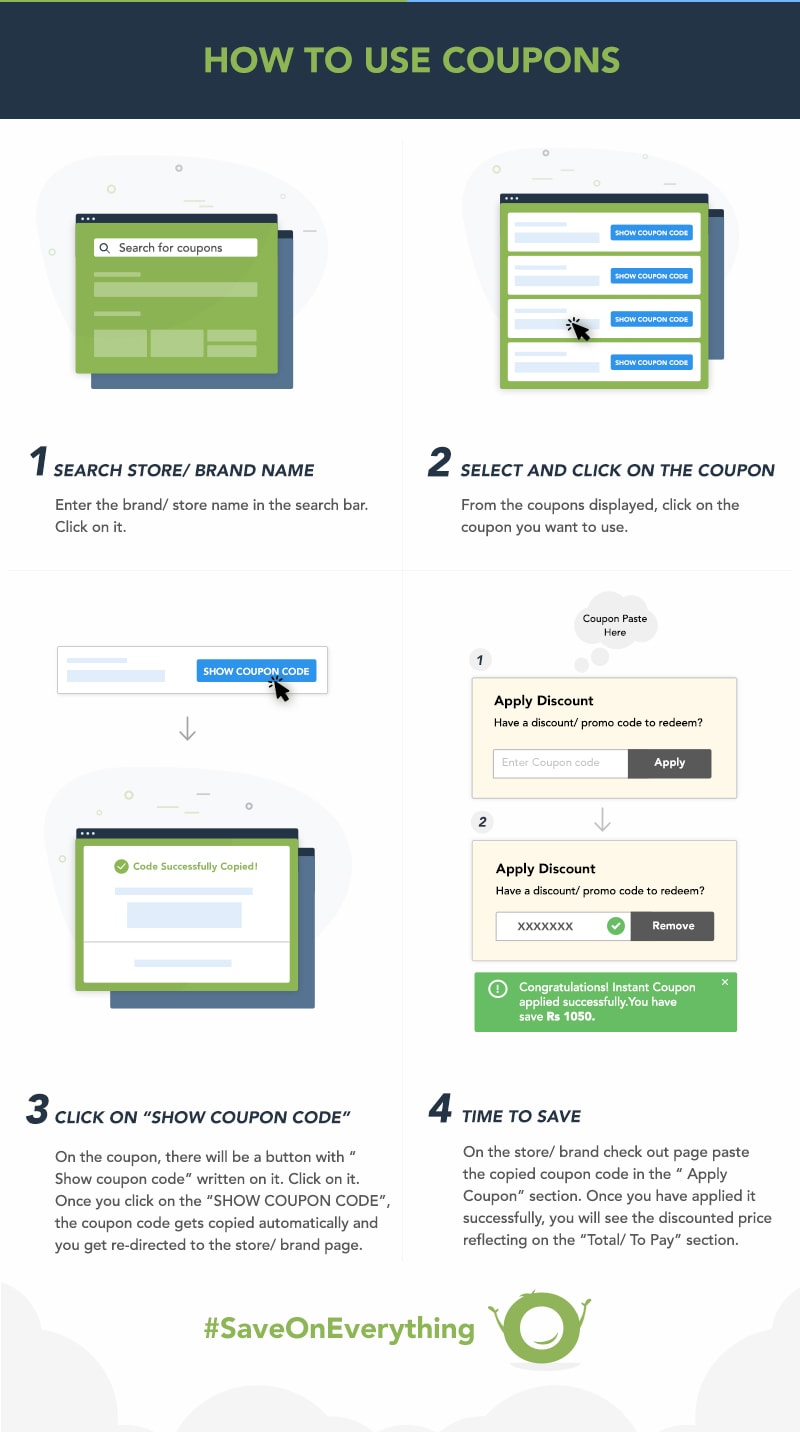
How To Use Staybook Coupons On GrabOn?
Filters
USER TYPES
Categories

More About Staybook
Coupons Info
-
Coupons & Offers
:8
-
Verified
:8
Top Cashback Cards
AU Small Finance Bank
LIT Credit Card
Coupons You May Like

Up To 75% OFF
Save Up To 75% OFF on Hotel Bookings!

FLAT 25% OFF
Flat 25% OFF On Domestic Hotels and Home Stays Bookings
Coupons from Similar Stores
Popular Stores

Subscribe Now
Get The Latest & Best Coupon/Offer Alerts
