


PushOwl Coupon Codes & Offers
Best 7 Coupons & Offers last validated on September 16th, 2026
- All (7)
- Offers (7)
Existing User
- All (7)
- Offers (7)
Get Flat 10% OFF On All Annual Plans
- Avail 10% OFF on your plan purchase
- The discount applies to all annual plans
- The plan price starts from $15 per month
Avail Flat 10% OFF On Plus Bundle Annual Plan
- Save 10% OFF on your plan purchase
- The discount is applicable for the Plus Bundle Annual Plan
- Grab Webpush features & Email features
Get Monthly Plan Starting At $19 Per Month
- Signup now & avail the monthly plan starting at the best price
- The plan price starts from $19 per month
Power Bundle Yearly Plan: Avail At $71 Per Month
- Grab Power Bundle Yearly Plan at best price
- Avail the plan at $71 Per Month
- It offers:
- All plus bundle features
- 25,000 - infinite web push
- Flash sale and browse abondonment
- Smart delivery
- Segmentation
- Custom automation
- Custom attribution window
- Customizable email templates
- Drag & drop editor
- Transactional emails
- No daily sending limit and more
PushOwl Discounts & Promo Codes
Avail Power Bundle Monthly Plan At $79 Per Month
- Sign up now & avail the Power Bundle Monthly plan at the best price
- Grab the plan at $79 Per Month
Visit The Page For Best Web Push, Email, & SMS Campaigns
- Explore the page for Web push, email, and SMS campaigns
- Also, avail basic plan for free on all users
Signup Now & Avail Basic Plan For Free
- Signup now & avail basic plan for free
- Grab all email features & Webpush features for all free
- Valid for all users
Verified PushOwl Coupon Codes & Offers For Sep 2026
| Category | PushOwl Discounts & Promo Codes |
| On All Annual Plans | Flat 10% OFF |
| Plus Bundle Annual Plan | Save 10% OFF |
| Monthly Plan | Starting From $19/ Month |
| Power Bundle Yearly Plan | Avail At $79 Per Month |
| Signup Offer | Grab Basic Plan For Free |
About PushOwl
PushOwl began in 2016 as an India-built app with a narrow job: let a Shopify store send web push notifications, the little browser alerts that pop up on a phone or laptop even when the shopper has closed the tab. The founder, Shashank Kumar, studied at IIT Jodhpur, and the app grew into the highest-rated web push tool on the Shopify App Store, used by tens of thousands of stores around the world. The pitch was simple from day one. Email gets ignored, push gets seen, and a shopper who left a full cart is often one nudge away from paying.
In September 2021 the French marketing-software company Sendinblue, now called Brevo, bought PushOwl in a deal reported above 20 million dollars. Shashank stayed on and moved into Brevo's product leadership, and PushOwl became part of a bigger suite that pairs push with email and SMS. For an Indian Shopify owner, that ownership history matters in a practical way: you are buying from a global SaaS vendor that bills in dollars, even though the product has Indian roots, and that brings the cross-border tax and card rules covered later on this page.
The thing PushOwl actually sells is recovered revenue, not notifications. An abandoned-cart push that goes out an hour after a shopper leaves, a back-in-stock alert the minute a popular size returns, a price-drop ping to people who eyed a product but did not buy. These are the flows that turn a free browser channel into orders, and they are why a store with even a few thousand monthly visitors tends to keep the app installed.
The Indian buyer for this app is specific. It is the Shopify-based D2C founder, the small brand selling apparel, beauty, supplements, or homeware direct to consumers, and the agency that runs Shopify stores for those brands. India's D2C wave runs almost entirely on Shopify at the small and mid scale, so a tool built natively for that platform lands squarely in front of the people most likely to need it. These are buyers watching every rupee of spend, which is exactly why a free, working push channel is such an easy first install before any paid marketing tool.
You install PushOwl from the Shopify App Store and it lives inside your Shopify admin, so there is no separate website checkout to learn. Pricing, plan changes, and billing run through Shopify or Brevo depending on how you signed up, which is worth knowing because it changes where your invoice and GST details come from. GrabOn tracks the current PushOwl offers, the free-plan terms, trial windows, and any Brevo bundle credits, so an Indian merchant can check what is live before committing a card.
What PushOwl Does
At its core PushOwl is a recovery and re-engagement tool for Shopify, not a generic notification widget. The features cluster into a few jobs that map directly to lost-sale moments in an Indian D2C store. Here is what each one does and when it earns its place.
Abandoned cart recovery
This is the headline feature and the reason most stores install the app. When a shopper adds to cart and leaves without paying, PushOwl can fire an automated push (and on the Brevo bundle, an email or SMS) reminding them, often showing the exact product they left behind. Cart recovery flows on the app are credited with pulling back a meaningful slice of otherwise-lost orders, and on Indian stores where COD hesitation and payment drop-offs are common, that nudge does real work.
Back-in-stock alerts
PushOwl adds a "Notify me" button to out-of-stock product pages, collects subscribers, and pings them the moment the item returns. For a small-batch Indian brand that sells out of a popular shade or size, this turns a sold-out page from a dead end into a waitlist. It is one of the few features available even on the free plan, which makes it an easy first reason to install.
Price drop and flash sale alerts
Shoppers who viewed a product but did not buy can be tagged and pinged when the price falls. Flash-sale campaigns let you blast a timed offer to your whole subscriber base, which suits the festive-sale rhythm of Indian e-commerce around Diwali and end-of-season clearouts. Some of the segmentation and flash-sale depth sits on the higher tiers, so check what your plan includes.
Campaigns and automation
Beyond the triggered flows, you can schedule one-off push campaigns for launches, restocks, and sales. The automation presets, cart recovery, checkout reminders, back-in-stock, price drop, cover the common journeys without you building flows from scratch. This is the part that lets a solo founder run a marketing channel without hiring for it.
Opt-in prompts and popups
None of the recovery flows work without subscribers, and PushOwl collects them through opt-in widgets that ask a visitor to allow notifications. You can run the standard browser prompt or a softer two-step ask that explains the value before the browser dialog fires, which lifts the opt-in rate because shoppers are less likely to reflexively block it. For an Indian store where a chunk of traffic is first-time and cautious, that two-step nudge is worth setting up rather than relying on the bare browser prompt. The point is to grow the free subscriber list, since subscribers cost nothing on any tier and become the audience every later campaign sends to.
Reporting and revenue attribution
PushOwl reports on the metric that matters, revenue recovered, not just opens and clicks. You can see how much each automation and each campaign pulled back, which is the number that justifies the upgrade from free to paid. Basic reporting comes on the free plan, with deeper subscriber detail and email reports on the Business tier. For a founder deciding whether the app pays for itself, watching recovered-revenue against the monthly fee is the honest test, and it is usually clear within the first couple of months.
Web push plus app push and the wider channels
PushOwl handles web push across desktop and Android browsers, the part Apple's Safari has historically limited, though Safari support has improved on recent versions. Under Brevo, the same dashboard now reaches into email and SMS, so a single tool can run the cart-recovery message across whichever channel the shopper opted into. The Brevo tie-in is covered in its own section below, since it changes both the feature set and the bill.
The honest filter on features is this: if your store's main leak is abandoned carts and sold-out restocks, PushOwl's core does that well on a low budget. If you want deep email automation, heavy segmentation, or SMS at scale, you are really buying the Brevo suite, and the pricing maths shifts accordingly.
Best PushOwl Offers
SaaS apps rarely run the kind of one-tap coupon code you see on a fashion store, and PushOwl is no exception. The savings here are structural: a genuinely usable free plan, a trial window, annual-billing discounts, and occasional Brevo bundle credits rather than a SAVE20 code. Below is the shape of what an Indian Shopify owner can actually use. Treat the figures as cited patterns and confirm them live before you pay, since SaaS pricing and promos change without notice.
| PushOwl Offer Type | Offer Details | Best For | How to Use |
|---|---|---|---|
| Free Basic plan | 500 impressions a month, unlimited subscribers, back-in-stock and price-drop automation, basic reports | New or small Shopify stores testing web push before paying | Install from the Shopify App Store and stay on Basic; no card needed |
| Free trial | A trial or money-back window, often around 14 days, on the paid Business tier | Stores wanting to test cart recovery before committing | Start the trial inside the app; cancel before it ends if it does not fit |
| Annual billing discount | Roughly up to 20 percent off versus paying monthly | Stores sure they will keep the app for a year | Pick the annual option at upgrade instead of monthly |
| Business plan tiers | From about 19 USD a month for the entry impression bucket, scaling up with sends | Growing stores that have outgrown the free impression cap | Upgrade in-app and choose the impression tier that fits your volume |
| Brevo bundle credits | Email and SMS sends bundled with push under one Brevo plan, sometimes with credits | Stores wanting push, email, and SMS in one tool | Connect or migrate to the Brevo plan and check the included credits |
| Enterprise plan | From about 149 USD a month, adding segmentation, flash sales, and priority support | High-volume stores needing advanced targeting | Talk to the team or upgrade in-app to the top tier |
| Shopify App Store promos | Occasional in-app or partner promotions on first upgrade | First-time upgraders watching for a launch offer | Check the in-app upgrade screen and the listing on this page for any live promo |
Reading the seven offer angles honestly: the best no-code deal is the free Basic plan itself, which is unusually generous on subscribers. The best new-user offer is the trial on the Business tier. There is no bank-card stack the way an Amazon buy has, since this is a foreign SaaS subscription, though your Indian credit card terms and forex markup do affect the real cost. The best seasonal moment is your own festive run, when push earns the most rather than when PushOwl discounts. The deepest "category" saving is annual billing on the tier you actually need. The best app-channel offer is the Brevo bundle if you genuinely want email and SMS too. The verified PushOwl offers on this page stay aligned with what is live, so check before you upgrade and never assume an old promo still holds.
Plans and Pricing
PushOwl prices on impressions, not subscribers, which is the single most important thing to grasp before you compare it to anything else. An impression is one successfully delivered push notification. Subscribers are unlimited on every tier, so a store can build a huge list for free and only start paying when it sends enough notifications to cross the impression bucket. That model rewards a store with a big audience and a light sending habit, and it bites a store that blasts daily campaigns to everyone.
The free Basic plan
Basic is free and caps at 500 impressions a month. It includes unlimited subscribers, campaign scheduling, back-in-stock and price-drop automation, basic reports, and chat support. For a new Indian store doing a few hundred sends a month, this is enough to prove the channel works before any money changes hands. The catch is the 500-impression ceiling, which a growing store hits fast once cart-recovery flows start firing to more people.
The Business plan
Business starts around 19 USD a month for roughly 10,000 impressions and steps up with volume, with a higher bucket near 38 USD a month for about 20,000 impressions. This tier adds abandoned-cart and shipping notifications, hero-image support, subscriber details, and email reports, the cart-recovery muscle most stores actually upgrade for. The price scales with how much you send, so model your monthly send volume before you pick a bucket rather than guessing.
The Enterprise plan
Enterprise starts from about 149 USD a month and adds the advanced pieces: segmentation, flash sales, and priority support. Segmentation in particular is the feature that separates a blunt blast from a targeted campaign, and it sits at this tier. For most small and mid Indian D2C stores this is more than they need early on, so it is a later upgrade, not a starting point.
| Plan | Indicative Price (USD) | Monthly Impressions | Key Inclusions |
|---|---|---|---|
| Basic (Free) | 0 | 500 | Unlimited subscribers, back-in-stock, price drop, basic reports |
| Business (entry) | From about 19 | About 10,000 | Abandoned cart, shipping alerts, hero images, email reports |
| Business (higher) | About 38 | About 20,000 | Everything above with a larger send bucket |
| Enterprise | From about 149 | High volume | Segmentation, flash sales, priority support |
Two money notes for Indian buyers. Annual billing trims roughly up to 20 percent off the monthly rate, so if you are confident you will keep the app for a year, pay yearly. And every figure here is in US dollars, so your real cost in rupees depends on the exchange rate and your card's forex markup on the day you are billed. The next sections cover the GST and card-rule side of paying a foreign SaaS from India. Confirm the current numbers on the official pricing page, since SaaS tiers shift and the buckets above are indicative, not a live quote.
How to Apply an Offer
Getting the best out of a PushOwl offer is less about pasting a code and more about installing on the right plan and timing the upgrade. Since the app lives inside Shopify, the flow runs through your store admin rather than a separate site checkout. Here is the order that keeps the cost honest.
- Open the PushOwl listing on GrabOn first and note the current free-plan terms, any live trial window, and whether a Brevo bundle credit is running.
- Install the app from the Shopify App Store into your store, which lands you on the free Basic plan with no card required.
- Set up the core flows, the opt-in prompt, abandoned-cart recovery, and the back-in-stock button, and let them run on the free impressions to see real numbers.
- When you near the 500-impression cap, open the in-app plan screen and compare the Business buckets against your actual monthly send volume.
- Choose annual billing instead of monthly if you are confident in the app, since that is where the roughly 20 percent saving lives.
- At the payment step, use a card that supports international and recurring transactions, since this is a USD subscription billed from outside India.
- Check the order or billing summary so the plan, the currency, and any trial end date all show before you confirm; do not commit if the terms look off.
- Save the invoice and the GST detail for your records, since a registered Indian business will need it for the reverse-charge treatment covered below.
The discount, where one exists, shows up as the annual rate or a bundle credit on the billing screen, not as a coupon line, so confirm the lower figure is actually reflected before you pay. If an offer or trial will not apply, the troubleshooting section below covers the usual reasons. One habit worth keeping for any foreign SaaS: take a screenshot of the plan terms and the price you agreed to at signup, because subscription prices and impression buckets can change at renewal, and a saved record is your reference if the next bill looks different. It also pays to decide your sending rhythm before you upgrade, since the impression model means a store that blasts everyone daily will burn through a bucket far faster than one that sends targeted flows, and that single habit changes which tier you actually need.
Offer Not Working
A PushOwl offer or trial that will not apply usually fails for a plain reason tied to the plan or the billing, not a glitch, since this is a Shopify-installed SaaS rather than a retail checkout. Run through these before you give up.
- You are already past the free tier. The free Basic plan is the standing no-code deal, so if you have upgraded, the free terms no longer apply to your account.
- The trial has expired or was already used. A trial or money-back window is one-per-store, so a second attempt on the same store will not re-trigger it.
- You picked monthly when the discount is annual. The roughly 20 percent saving only shows on the annual billing option, not the monthly one.
- The impression bucket is wrong for your volume. A bucket that looks cheap can run out mid-month, so match the tier to your actual sends, not the lowest price.
- A feature sits on a higher tier. Segmentation and flash sales are Enterprise-level, so they will not switch on from a Business plan however you toggle them.
- Card declined for international or recurring use. Many Indian cards block foreign or recurring charges by default, so enable international and recurring transactions in your bank app first.
- RBI mandate not authorised. A recurring USD charge needs the card e-mandate approved, and if you skipped the OTP step the renewal can fail silently.
- Brevo bundle confusion. If you connected via Brevo, the offer terms follow the Brevo plan, not the standalone PushOwl tiers, so check which billing you are actually on.
- Currency or forex surprise. The price is in USD, so a figure that looks higher than expected in rupees is usually the exchange rate and card markup, not a wrong charge.
- Browser blocking the opt-in. If your push subscriber count is not growing, shoppers may be on Safari or have notifications blocked, which is a setup issue, not a billing one.
If an offer still refuses after all that, it has probably lapsed or does not fit your account state. Check the live PushOwl listing for the current terms and compare the standalone tiers against the Brevo bundle, since for a store that also wants email and SMS the bundle can be the better value even when a standalone promo looks tempting. One last check that catches founders: a price shown on the marketing site can differ from the price inside your Shopify admin if you installed earlier on grandfathered terms, so trust the in-app billing screen as the source of truth before you decide anything.
More Ways to Save
Beyond the headline plan choice, a few habits keep the real cost of running PushOwl down for an Indian store. None of these is a coupon, but together they save more than any single promo would. Pick the ones that fit how you actually sell.
- Live on the free plan first. Run back-in-stock and price-drop automation on the 500-impression Basic tier until you can see recovered orders in the numbers. Only then upgrade, so you pay for proven value rather than a hunch.
- Send to segments, not everyone. Since you pay per impression, blasting your whole list daily burns the bucket fast. Targeted flows to cart-abandoners and waitlist signups stretch the same tier far further.
- Pay annually once you trust it. The annual option trims roughly up to 20 percent off the monthly rate, which on the Business tier is real money over a year.
- Right-size the impression bucket. Model your monthly sends before picking a tier. Overbuying a big bucket you never fill is the most common quiet overspend on this kind of app.
- Weigh the Brevo bundle if you also want email and SMS. Buying push, email, and SMS separately costs more than one Brevo plan that covers all three, so if you were going to pay for an email tool anyway, the bundle can be the cheaper route overall.
- Time your push spend to your festive run. Push earns the most around your Diwali, end-of-season, and launch windows, so concentrate campaign sends there rather than spreading them thin across slow months.
- Claim the input tax credit if you are GST-registered. A registered Indian business paying GST on this service under reverse charge can usually claim it back as input tax credit, which lowers the effective cost, subject to your accountant confirming eligibility.
- Keep your forex card costs in mind. Since billing is in USD, a card with a lower foreign-transaction markup quietly saves a percent or two on every renewal versus a high-markup card.
The single biggest win is matching the plan to your sending discipline. A store that sends little but has a large free subscriber list gets enormous value from PushOwl for very little money, while a store that treats push like a daily megaphone will pay for it. Build the channel deliberately and the app stays cheap. GrabOn lists the current PushOwl terms and any live trial or bundle so you can check before each upgrade rather than guessing.
The Brevo Bundle
Since the Brevo acquisition, PushOwl is no longer just a push app, it is the push channel inside a wider Brevo marketing suite that also handles email and SMS. For an Indian Shopify owner this changes the buying decision, because the question is no longer "do I want push" but "do I want one tool for push, email, and SMS, or separate tools for each".
The case for the bundle is consolidation and price. Running a separate push app, a separate email platform like Klaviyo or Mailchimp, and a separate SMS provider means three bills, three dashboards, and three sets of subscriber data that may not talk to each other. The Brevo bundle puts the cart-recovery message across whichever channel the shopper opted into, from one place, often cheaper than buying the three apps standalone. For a small team that wants marketing to run without babysitting, that simplicity is the real product.
The case against is fit. If push is genuinely all you need, the standalone PushOwl free or Business tier is leaner and you are not paying for email and SMS muscle you will not use. And if you are already deep into a dedicated email platform you like, switching your whole stack to Brevo just to bundle push is a bigger move than installing one app. Brevo's email and SMS depth is solid but a heavy email marketer should compare it head to head with Klaviyo before migrating.
There is a data angle worth weighing too. The strongest reason to run channels from one tool is that they share one view of the shopper, so a cart-abandoner who ignores a push can get a follow-up email without you stitching two systems together by hand. Separate apps often hold separate, half-overlapping subscriber lists, which means duplicated sends and messier reporting. The bundle's single subscriber profile is the quiet benefit that does not show up on a feature list but saves real time once your store has a few thousand contacts across channels.
One practical India note on the bundle. SMS in India carries its own regulatory layer, the DLT registration regime for commercial messages through telecom operators, which sits separately from anything PushOwl or Brevo controls. If you plan to lean on the SMS side of the bundle, budget time for DLT sender-ID and template registration, since that is a hard requirement for sending promotional SMS to Indian numbers regardless of the tool. Web push, by contrast, has no DLT step, which is part of why push is the easier channel to switch on first.
The honest read: take the bundle if you want an all-in-one and were going to pay for email anyway. Stay standalone if push is the whole job. Either way, check the live Brevo plan terms and any bundle credits before you commit, since the bundle pricing and the standalone PushOwl tiers are billed differently and the cheaper path depends on your channel mix.
GST, RBI Cards, and Payments
18 percent. That is the GST that applies when an Indian business buys a foreign digital service like PushOwl, because the subscription is an imported online service, what the law calls OIDAR, online information and database access or retrieval. The place of supply for these services is the location of the recipient, which is you in India, so Indian GST attaches even though the vendor sits abroad.
How that 18 percent actually gets paid depends on whether you are a registered business. If you have a GSTIN, the supply is treated as a business-to-business import of service and falls under the reverse-charge mechanism, broadly under Section 9 of the GST law. In plain terms, the foreign vendor does not charge you Indian GST; instead you self-account for the 18 percent IGST, raise a self-invoice, pay it in your GST return, and then usually claim it back as input tax credit if the service is used for your business. So for many registered stores the GST is cash-flow neutral, paid and reclaimed, but it still has to be reported correctly. If you are not GST-registered, a B2C consumer, the foreign provider is expected to register and account for the GST instead. Rates and eligibility shift with your situation, so confirm the reverse-charge and input-credit treatment with your CA rather than treating this as final advice.
To claim the input tax credit you need the paperwork in order: the vendor invoice, your self-invoice, proof of payment, and the service genuinely used for business. Keep the PushOwl or Brevo billing receipts from every cycle, since a missing invoice is the usual reason a credit gets queried. This is exactly why the how-to section above flags saving the invoice at signup.
One detail trips up smaller stores. A founder running a Shopify store without GST registration, perhaps because turnover sits below the threshold, does not get to claim input credit at all, so the 18 percent is a real added cost rather than a wash. For those buyers the GST is effectively baked into the price of the subscription. A registered business, by contrast, pays and reclaims, so the headline dollar figure is much closer to the true cost. Where you sit on registration changes the real price of the same plan, which is worth working out before you compare PushOwl against a domestic tool that charges GST in the normal way.
On the card side, paying a recurring USD subscription from India runs into RBI's rules on recurring card payments. Saved cards follow the tokenisation regime, so the merchant does not store your raw card number, and a recurring charge needs an approved e-mandate set up with an OTP the first time. For higher-value recurring charges the bank sends a pre-debit alert and may require additional authentication each cycle, so a renewal can fail if the mandate was never authorised or your card blocks international recurring use. Enable international and recurring transactions in your bank app before you subscribe.
Two more money realities. The bill is in US dollars, so your rupee cost moves with the exchange rate and carries your card's foreign-transaction markup, often a couple of percent on top of the headline price. And cross-border payments sit under FEMA, the foreign-exchange framework, though for a normal SaaS subscription on a card this is handled in the background by your bank rather than being something you file. None of this should put you off, it is the standard cost of buying global SaaS from India, but it is worth budgeting the GST handling and the forex markup into the true price rather than reading only the dollar figure.
DPDP and Push Consent
Running push notifications means collecting and using shopper data, and in India that now sits under the Digital Personal Data Protection Act of 2023, with its detailed rules notified in 2025. The Act governs how you handle the personal data of your Indian shoppers, and a push subscriber list is exactly that kind of data, so the responsibility is on you as the store, the data fiduciary, not on PushOwl alone.
The core requirement is consent that is free, specific, informed, and unambiguous, given by a clear affirmative action. For web push that maps cleanly onto the browser's own opt-in prompt: a shopper actively clicks "Allow" to subscribe, which is a genuine affirmative step rather than a pre-ticked box. That browser-level consent is a good foundation, but the Act also expects you to tell people what you are collecting it for and to make opting out easy. So pair the opt-in with a clear privacy notice and an obvious way to unsubscribe from notifications.
A few practical points for a store owner. Do not buy or import subscriber lists for push, since consent has to come from the shopper, not a third party. Keep your privacy policy current with what PushOwl and Brevo do with the data, since they act as your processors. And give users a real path to withdraw consent, which for push means both an in-message unsubscribe and respecting the browser's notification settings. The Act leans on uncomplicated opt-out, so a hard-to-find unsubscribe is a compliance risk, not just a bad experience.
The Act also gives your shoppers rights you have to honour, the right to ask what data you hold, to have it corrected, and to have it erased. In practice that means if a subscriber asks to be removed, you act on it rather than letting them linger on the list. Naming a point of contact for data questions and having a basic grievance route is part of the framework, so a store scaling a large push base should set that up rather than treating consent as a one-time checkbox. The bigger your subscriber list grows, the more these obligations matter, which is another reason to build the list cleanly from genuine opt-ins rather than chasing raw numbers.
There is also a data-flow angle. Because Brevo is a global vendor, your shopper data may be processed outside India, and the DPDP framework sets conditions on cross-border data handling. For most stores using a mainstream global SaaS this is manageable, but it is worth knowing where your subscriber data sits and noting it in your privacy notice. As with the tax side, the specifics depend on your setup, so a quick check with a privacy-aware advisor is sensible before you scale a large push list. This page frames the rules in plain terms and is not legal advice; verify the current DPDP obligations for your store with a qualified professional.
Who PushOwl Suits
PushOwl is not the right tool for every store, and being honest about that saves money and migration headaches. It is a Shopify-native recovery channel, so the fit depends on your platform, your traffic, and what marketing muscle you actually need. Here are the profiles where it makes sense and where it does not.
The early-stage Shopify D2C founder
This is PushOwl's core buyer. A new Indian brand on Shopify with limited budget gets a free, working web push channel from day one, with back-in-stock and abandoned-cart flows that recover real orders. For a founder running marketing solo, the free plan plus a cheap Business upgrade later is hard to beat as a first re-engagement tool.
The store with a big audience and light sending
Because pricing is per impression with unlimited subscribers, a store that builds a large free push list but sends carefully gets outsized value. If you have lots of visitors and a disciplined campaign habit, PushOwl can power a serious channel for very little, which is exactly the model this app rewards.
The store that wants one tool for push, email, and SMS
If you would rather not stitch together three apps, the Brevo bundle that PushOwl now sits inside covers push, email, and SMS from one dashboard. A small team that values fewer bills and one set of subscriber data over best-in-class depth in each channel is well served here.
The non-Shopify store
This is where PushOwl is the wrong pick. The app is built natively for Shopify, so a store on WooCommerce, Magento, or a custom stack will not get the deep product, cart, and order sync that makes the recovery flows work. A platform-agnostic tool like OneSignal fits that case far better.
The heavy email marketer
If email is your main channel and you want the deepest segmentation and flow-building, a dedicated platform like Klaviyo may suit better than buying into Brevo for the bundle. PushOwl shines on push and on consolidation, not on being the most powerful email engine in the market, so match the tool to where your marketing weight actually sits.
PushOwl vs Other Apps
PushOwl is one of several apps fighting for the Shopify store owner's marketing budget, and the right choice depends on your platform and your channel mix. OneSignal wins on cross-platform reach, Omnisend on all-in-one email-led marketing, and a few smaller apps compete on free-plan generosity. The table sets the main options side by side.
| App | Best For | Pricing Model | Notes |
|---|---|---|---|
| PushOwl (by Brevo) | Shopify-native push, cart recovery, back-in-stock | Per impression, unlimited subscribers | Deep Shopify sync; free plan generous; now bundles email and SMS via Brevo |
| OneSignal | Cross-platform push across web, mobile, in-app | Per subscriber, with a free tier | Widest reach but lighter on Shopify-specific e-commerce flows |
| Omnisend | All-in-one email, SMS, and push for e-commerce | Per contact (list size) | Email-led; bill scales with list size regardless of send volume |
| Firepush | Stores wanting more push types on a free plan | Tiered, with a free plan | More notification types free than PushOwl; smaller ecosystem |
| WebEngage | Larger brands needing multi-channel automation | Custom enterprise | Powerful and data-led but heavier and pricier than a small store needs |
| PushEngage | Web push across any platform, not just Shopify | Per subscriber, tiered | Platform-agnostic web push; good if you are not on Shopify |
A practical way to read that. For a Shopify store whose main job is cart recovery and restock alerts, PushOwl and Omnisend are the two to compare head to head, with PushOwl leaner if push is the priority and Omnisend stronger if you want email at the centre. The pricing models differ in a way that matters: PushOwl charges by what you send, Omnisend by how many contacts you hold, so a big list with light sending favours PushOwl while a small list with heavy sending can favour a contact-based plan.
For reach beyond Shopify, OneSignal and PushEngage are the platform-agnostic picks, the right call if you run on WooCommerce or a custom stack rather than Shopify. They trade some e-commerce depth for breadth, so the Shopify-specific flows that fire on a restock or an abandoned cart are smoother on PushOwl than on a general-purpose tool. If a free-plan-heavy approach matters most, Firepush is worth a look for the wider set of free notification types.
The one place PushOwl is not the obvious pick is the heavy email or enterprise case. A brand that lives and dies by email segmentation often prefers Klaviyo, and a large multi-channel operation may want WebEngage's depth. Buy PushOwl for Shopify-native push and for the Brevo bundle if you want channels consolidated, but if email is your whole strategy, compare the dedicated email platforms before settling, since push is where PushOwl's edge is strongest.
One more practical note for Indian stores comparing tools. A domestic SMS-led tool bills you in rupees with GST charged in the normal way, while PushOwl bills in dollars under the import-of-service rules covered above. That difference in tax handling and forex markup is easy to miss when you line up the headline prices, so factor the true landed cost, not just the sticker, when you weigh PushOwl against a local app.
Is PushOwl Worth It?
Best for: Shopify store owners and Indian D2C founders who want a working web push channel for abandoned-cart recovery and back-in-stock alerts without a big budget. The free Basic plan with unlimited subscribers is unusually generous, the Business tier from around 19 USD adds the cart-recovery muscle, and the Brevo bundle is a clean way to run push, email, and SMS from one place.
Be careful if: you are not on Shopify, since the app is built natively for it and a WooCommerce or custom store is better served by OneSignal or PushEngage. Be careful too if email is your main channel and you want the deepest segmentation, where Klaviyo may fit better, and watch the per-impression model, since blasting your whole list daily burns through a tier far faster than targeted flows. Remember the bill is in US dollars with the GST and forex handling that comes with foreign SaaS.
Best saving move: install on the free plan, run back-in-stock and abandoned-cart flows on the 500 impressions until you can see recovered orders in the numbers, then upgrade to the Business tier on annual billing for roughly 20 percent off once the value is proven. If you also want email and SMS, price the Brevo bundle against buying three tools separately. Confirm the live plan terms and any trial or bundle credit on the official page before you commit a card, since SaaS pricing changes without notice.
Frequently Asked Questions
Does PushOwl have a free plan or is it a free trial?
PushOwl has a genuinely free plan, not just a trial. The free Basic tier gives you 500 impressions a month with unlimited subscribers, plus back-in-stock and price-drop automation, campaign scheduling, basic reports, and chat support. An impression is one delivered push notification, so you only pay once your sending crosses that 500 cap. There is also a separate trial or money-back window on the paid Business plan, but the free Basic plan can run indefinitely if you stay under the impression limit.
How much does PushOwl cost for an Indian Shopify store?
PushOwl Business starts at about 19 US dollars a month for roughly 10,000 impressions, with a higher bucket near 38 USD for about 20,000, and Enterprise from around 149 USD for segmentation and flash sales. All tiers include unlimited subscribers, and annual billing trims roughly up to 20 percent off the monthly rate. Because pricing is in US dollars, your real rupee cost depends on the exchange rate and your card foreign-transaction markup on the billing day. Check the official pricing page for the current figures, since SaaS tiers change.
Is there a PushOwl coupon code for the discount?
PushOwl savings come mostly from the free plan, the trial, and annual billing rather than a one-tap coupon code, which is normal for Shopify SaaS apps. The biggest standing saving is the free Basic plan with unlimited subscribers, and the next is paying annually for roughly up to 20 percent off versus monthly. If you also want email and SMS, the Brevo bundle can cost less than buying three separate tools. GrabOn tracks the live PushOwl offers, trial windows, and any bundle credits, so check the listing before you upgrade.
What GST applies when an Indian business pays for PushOwl?
A PushOwl subscription is an imported digital service, OIDAR, so it attracts 18 percent GST with the place of supply being India. If you have a GSTIN, the import falls under the reverse-charge mechanism: the foreign vendor does not charge Indian GST, you self-account for the 18 percent IGST, raise a self-invoice, and usually claim it back as input tax credit if the service is used for business. Keep every billing invoice for that claim. Confirm the reverse-charge and input-credit treatment with your CA, since eligibility varies by situation.
What does PushOwl actually do for a Shopify store?
PushOwl sends web push notifications to recover lost sales and re-engage shoppers on a Shopify store. The main jobs are abandoned-cart recovery, back-in-stock alerts on sold-out products, price-drop pings, and scheduled push campaigns for launches and sales. Under Brevo it now also reaches email and SMS from the same dashboard. The app syncs deeply with Shopify for cart, product, and order data, which is why its recovery flows fire reliably the moment a product restocks or a cart is abandoned.
What happened to PushOwl after the Brevo acquisition?
Brevo, formerly Sendinblue, acquired PushOwl in September 2021 in a deal reported above 20 million dollars, and the app is now part of Brevo wider marketing suite. PushOwl still runs as a Shopify app for web push, but it now also bundles email and SMS under Brevo, and its founder Shashank Kumar joined Brevo product leadership. For a buyer, the practical change is that you can run push, email, and SMS from one Brevo plan, though the standalone free and Business push tiers still exist if push is all you need.
Do I need consent under the DPDP Act to send push notifications?
Yes, sending push notifications to Indian shoppers needs valid consent under the Digital Personal Data Protection Act of 2023 and its 2025 rules. The browser opt-in prompt, where a shopper actively clicks Allow, is a clear affirmative action that fits the consent standard, but you must also tell people what the data is used for and make opting out easy. Do not import or buy push lists, keep your privacy notice current with what PushOwl and Brevo do with the data, and offer a real unsubscribe path. Verify your specific obligations with a privacy advisor.
What are the best alternatives to PushOwl?
The main PushOwl alternatives are OneSignal, Omnisend, Firepush, PushEngage, and WebEngage. OneSignal and PushEngage are platform-agnostic, so they suit non-Shopify stores on WooCommerce or custom stacks better than PushOwl, which is Shopify-native. Omnisend is the all-in-one, email-led pick but charges by contact count rather than by sends, so a big list with light sending often favours PushOwl per-impression pricing. Firepush offers more notification types on its free plan, while WebEngage suits larger brands needing heavy multi-channel automation. Match the tool to your platform and channel mix.
Looking for PushOwl Alternatives?
PushOwl leans entirely on browser push notifications, which only reaches shoppers who already opted in and can get missed once they close the tab. Want a channel with better follow-through? SlickText coupons get you SMS marketing with two-way texting and automated drip campaigns that land straight on a customer's phone. If your real bottleneck is answering questions and recovering carts in real time rather than sending one-way alerts, Tidio coupons add live chat and AI chatbots that can nudge shoppers before they even leave your site.
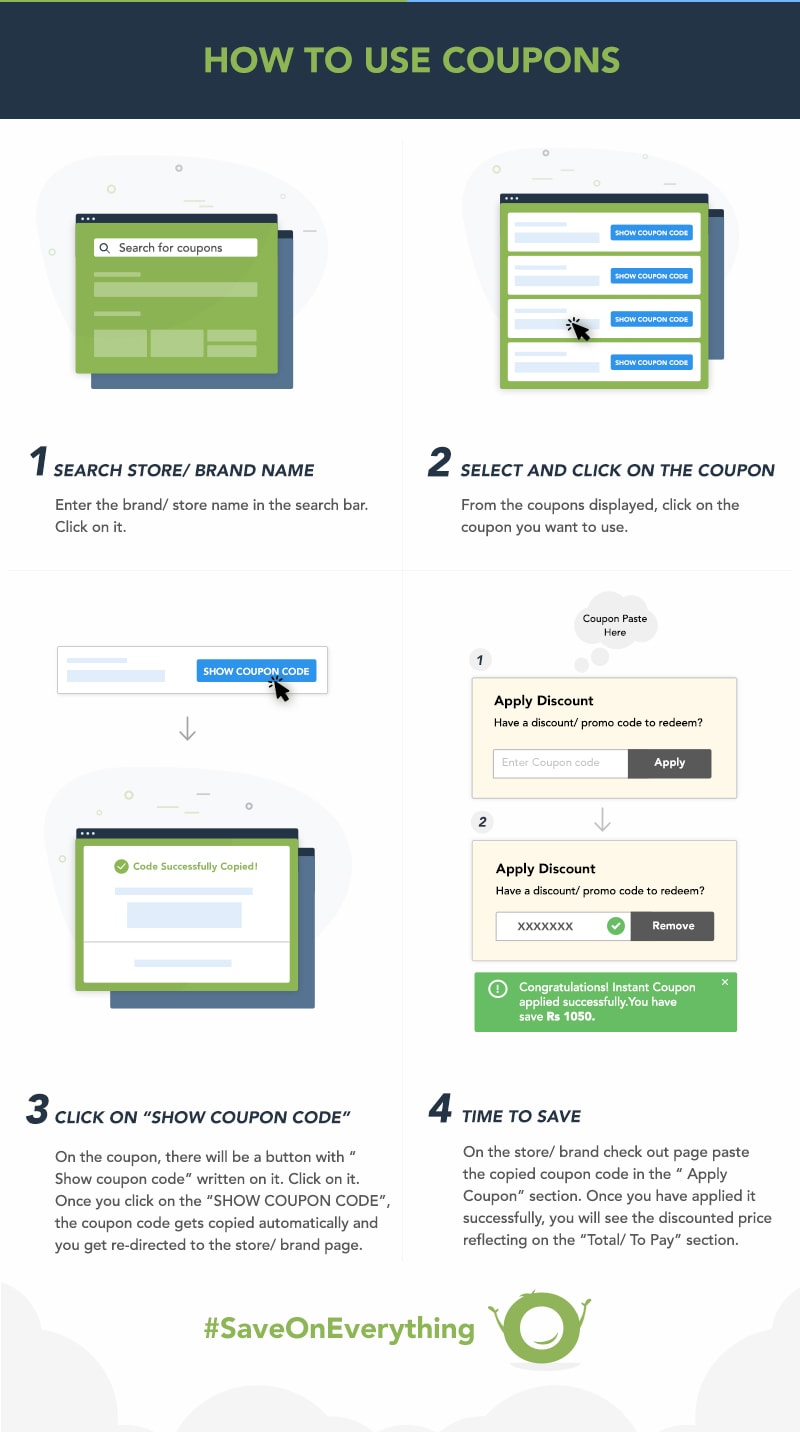
How To Use PushOwl Coupons On GrabOn?
Filters
USER TYPES
Categories
-
SAAS

More About PushOwl
Coupons Info
-
Coupons & Offers
:7
-
Verified
:7
Coupons You May Like

SITEWIDE OFF
Sitewide Offer - Up To 66% OFF + Free Trial On Your Plans
FLAT 67% OFF
Get Flat 67% OFF On Family 2 Years Plan
Coupons from Similar Stores
Popular Stores

Subscribe Now
Get The Latest & Best Coupon/Offer Alerts
