



Deel.com Discount Code
Best 10 Coupons & Offers last validated on October 27th, 2026
- All (10)
- Offers (10)
Existing User
- All (10)
- Offers (10)
Avail EOR Plan At $599 Per Month
- Purchase now an EOR (Employer of Record) plan at the best prices
- The plan price starts at $599 per month
- It offers:
- Full legal employment in 150+ countries
- Local tax, payroll, and labor compliance
- Automated payroll processing
- Benefits administration
- Seamless onboarding
- Automated contract generation
- Continuous HR and legal support
Pay Roll Plan Starts At $29 Per Month
- Sing up now & avail the pay payroll plan at the best prices
- The plan price starts at $29 per month
- Categories: EOR, Contractor Management, PEO and more
- Visit the page for more details & features
Avail HR Plan Starting At $15 Per Month
- Enroll in the HR plan at the best prices
- The plan price starts at $15 per month
- It includes:
- Engage
- Compensation
- Workforce Planning
- Benefits Admin
- Talent
Get Into Deel IT Plans Starting At $9 Per Month
- Sign up now & enroll to IT plan at best prices
- The plan price starts at $9 per month
- Categories available are:
- Device Lifecycle Management
- Mobile Device Management
- Endpoint protection
- Identity and access management
- Also avail free trial for this category
Deel.com Offers & Deals
Signup Offer: Avail Free Trail For 30 Minutes
- Sign up now & avail a free trial on your first use
- Grab 30 mintunes free on your usage
Mobile Device Management Plan - Starts From $9
- Get a mobile device management plan starts at $9 per month
- It includes -
- Centralized management
- Remote configuration, updates, and security
- Device locking and data wiping
- Industry-standard compliance monitoring
- The offer is accessible to all users
Global Payroll Plan Starts @ $29 Per Month
- Upgrade now for the Global Payroll Plan starts at an unbeatable price
- The plan price starts at $29 per month
- Essential features -
- Unified payroll processing
- Compliance with local tax regulations
- Multi-currency payment support
- Exchange rate management
- Integrated reporting and analytics
- Employee self-service access
Signup Now For US Payroll At @Best Prices
- Enroll in the US payroll plan at the best prices
- Contact sales for the pricing details
- Compliantly run US payroll in all 50 states
- Scale your business globally with complete flexibility
- Visit the page for more details
Deel Contractor Management at Best Price $49
- Get this plan at best price
- The price starts from $49 on deel contractor management
- Visit the landing page to get more details
Core HR: Get it For $5
- Avail this core HR plan at affordable price
- Price starts from $5
Trending Deel.com Discount Code & Promo Code For Oct 2026
| Category | Deel.com Coupons & Offers |
| EOR Plan | Starts at $599 Per Month |
| Payroll Plan | Starts at $29 Per Month |
| HR Plan | Starting at $15 Per Month |
| IT Plans | Starting at $9 Per Month |
| Signup Offer | Avail Free Trial For 30 Minutes |
About Deel
Deel is software that solves a specific headache: paying and managing people who work for you across different countries, each with its own labour law, tax, and payroll rules. Instead of setting up a legal entity in every country or wrestling with cross-border paperwork, a company runs it through Deel. It was started in 2019 by Alex Bouaziz, Shuo Wang, and Ofer Simon, two of whom met at MIT, after they hit the same problem hiring international workers for their own ventures. The platform now handles contractor management, global payroll, and Employer of Record services across more than 150 countries.
For an Indian business, the appeal is the ability to hire and pay people abroad, or to manage a distributed team, without becoming an expert in each country employment rules. A startup hiring a developer in Europe, an agency paying contractors across Asia, or a growing company building a remote team can run the whole thing through one dashboard. The platform automates the compliance and admin that would otherwise eat days, applying local rules and flagging issues before payment runs. The value is the time and risk it removes, not a discount.
Worth being clear about what Deel is. It is a business-to-business software subscription, a tool that a company uses to manage its workforce, not a consumer money-transfer service or a financial product sold to an individual. You subscribe to the software per worker, and the fees are software fees. The actual salaries, taxes, and statutory benefits flow through to the workers separately and vary by country; the platform fee is just for using the software. That distinction matters for how the tax and the rules apply, which the dedicated section below covers.
Because Deel is a foreign-headquartered software platform charging a fee to an Indian business, the cross-border digital-service rules apply to that software fee. The supply attracts OIDAR GST at 18 percent IGST under Section 14 of the IGST Act 2017, and a GST-registered Indian business handles it under cross-border reverse-charge per Section 9(3) CGST, accounting for the IGST and claiming input credit. Payment runs on an international-enabled card under FEMA rules for cross-border spends, saved cards follow the RBI tokenisation directions, and the DPDP Act 2023 Section 16 governs the cross-border transfer of the worker data the platform holds. Confirm the live plan price and the tax line on the deel.com checkout before you subscribe.
What Deel Does
Deel is one platform with several distinct services, and which one you need depends on whether you are hiring contractors, running payroll, or employing people in a country where you have no entity. The service you pick changes the cost and the compliance burden. Here is the shape of what it handles.
Contractor Management
The most common entry point is contractor management, which handles contracts, invoicing, and payments for independent contractors around the world. It starts at a low per-contractor monthly fee, making it the affordable way to pay a distributed set of freelancers compliantly. For an Indian agency or startup paying contractors abroad, this is usually where you begin. It manages the paperwork and payment without the cost of full employment, which suits a flexible workforce.
Contractor of Record
For companies worried about worker misclassification, the risk that a contractor is legally an employee, Deel offers Contractor of Record, which takes on that compliance liability for a higher per-contractor fee. This matters where misclassification carries real legal exposure. If you are unsure whether your contractors should be classified as employees, this service shifts that risk to Deel. It costs more than plain contractor management, so weigh it against your actual exposure rather than buying it by default.
Global Payroll
Global payroll runs payroll for employees in countries where you already have a legal entity, applying local tax and statutory rules automatically. It sits at a moderate per-employee monthly fee. For a company with entities in several countries, this consolidates payroll into one system rather than juggling local providers. The platform calculates the local deductions and flags anomalies before approval. This suits a business that already has entities but wants one payroll dashboard.
Employer of Record (EOR)
The EOR service is the heaviest and priciest, letting you hire full-time employees in countries where you have no legal entity, with Deel becoming the legal employer and handling compliance, payroll, benefits, and local obligations. It runs at a high per-employee monthly fee. For a company that wants to hire one person in a country without setting up an entity there, the EOR is the route. It is expensive per head, so it suits hiring a few key people abroad rather than a large local team.
Immigration and Visa Support
Deel also offers immigration and visa support for companies moving talent across borders, handling the paperwork for work permits and relocations. This is a specialised add-on for businesses with mobility needs. If you are relocating an employee or sponsoring a visa, this service folds that complexity into the same platform. It is niche, so most buyers will not need it, but it matters to companies building globally mobile teams.
Deel HRIS and the Free Layer
The platform includes a human resources information system, a HRIS, to manage employee records, time off, and HR workflows, and a basic HR layer is offered free. For a small company, the free HRIS can cover core people-management without a subscription. The paid services add the payroll and employment muscle on top. Start with the free layer to see if the platform fits your workflow before paying for contractor or payroll services. The free tier is a genuine on-ramp.
One Dashboard, Many Countries
The throughline across all of this is that you run a multi-country workforce from one dashboard, with the platform applying each country rules and using automation to catch errors. For a business that would otherwise stitch together local providers in every country, that consolidation is the real product. The compliance and admin it removes is the value. Match the service to your actual need, since paying for EOR when contractor management would do is the expensive mistake here.
Matching the Service to Your Workforce
How you use Deel should track your workforce shape. A company paying freelancers needs contractor management; one with entities abroad needs global payroll; one hiring without entities needs EOR. Buying the wrong service, especially the pricey EOR when contractors would suit, is how the cost runs away. Map your workers to the right service before you subscribe, and add others only as your team grows into them.
Stack the value here by starting on the free HR layer or low-cost contractor management, paying annually where the discount applies, and adding heavier services only as your team needs them. The software fee carries the OIDAR GST 18-percent IGST overlay, handled under reverse-charge for your registered business per Section 9(3) CGST, so factor the tax into the true cost. Verify the current plan prices and the tax line on the deel.com workflow before you subscribe.
Best Deel Offers Available on GrabOn
Deel offers cluster around the plan tiers and the billing cycle rather than rotating coupon codes, because this is a per-worker B2B subscription, not a retail product. The steadiest savings are the free HR layer, annual billing, and right-sizing the service to your actual workforce. The list below covers the recurring offer shapes. Depth and eligibility shift, so treat every figure as a reference point and confirm it on the live deel.com checkout.
| Offer Type | Scope | Reference Detail | Notes and Conditions |
|---|---|---|---|
| Free HR Layer | On the basic HRIS for managing employee records | A free tier for core people-management without a subscription | The right way to test the platform fit before paying; no card needed to start |
| Contractor Management Plan | For paying independent contractors compliantly | Around 49 US dollars per contractor per month | The affordable entry point; scales with how many contractors you pay |
| Global Payroll Plan | For running payroll where you have an entity | Around 29 US dollars per employee per month | Consolidates multi-country payroll; needs you to have local entities |
| Employer of Record (EOR) | For hiring without a local entity | Around 599 US dollars per employee per month for the standard tier | The priciest service; suits hiring a few key people abroad, not a large team |
| Contractor of Record | For shifting misclassification liability | Around 325 US dollars per contractor per month | Buy only against real misclassification exposure; costs far more than plain management |
| Annual Billing Discount | On switching a paid service from monthly to yearly | The yearly commitment can work out cheaper per worker | Worth it only for stable, long-term workforce; verify the annual rate |
| Volume and Multi-Worker Pricing | On managing many workers on the platform | Per-worker pricing can soften at scale or via sales-negotiated terms | For larger teams, ask the Deel sales team about volume rates |
| Cross-Border GST and Reverse-Charge | On an Indian business paying the software fee | OIDAR IGST 18 percent applies, handled under reverse-charge for a registered buyer | The registered business accounts for IGST and claims input credit; factor it in |
The figures above reflect publicly cited 2026 pricing patterns and can shift with each update, so confirm the current plan prices and any active offer on the deel.com workflow plus the live listing here. The best single saving for most Indian businesses is starting on the free HR layer, then paying only for the service your workforce actually needs, and switching stable, long-term workers to annual billing. The pricey EOR is worth it only when you genuinely need to employ someone where you have no entity. Stack the free layer, annual billing, and correct service selection for the lowest true cost.
How to Apply a Deel Coupon
Applying a coupon on Deel means redeeming it against the subscription fee at checkout or through the sales process, since this is a per-worker B2B plan rather than a retail cart. The steps below cover a typical Indian-business purchase, including the tax and card points that matter on a cross-border software buy.
- Open the GrabOn /deel-coupons/ listing and check the current active offer scope. Note the code or offer that fits the service you need.
- Go to deel.com, create a business account, and start with the free HR layer to see if the platform fits your workflow before paying.
- Identify the service you actually need, contractor management, global payroll, or EOR, by mapping it to your workforce, and add the workers you want to manage.
- On the checkout or plan-selection step, find the field labelled "Promo code" or "Have a coupon" and paste the copied code exactly, keeping its case.
- Apply the code and watch the per-worker fee update. Confirm the discount appears before you continue, since codes may apply only to certain services or to annual billing.
- Choose monthly or annual billing, noting that annual can lower the per-worker cost for a stable workforce.
- Review the full charge, including the OIDAR GST 18-percent IGST line and any forex conversion, so the rupee cost is clear for your business records.
- Pay with an international-enabled business card, complete authentication, and save the invoice for your reverse-charge accounting and the renewal date.
The discount should show on the Deel order summary before payment, so do not pay if the fee line has not updated. If the code refuses to apply, the troubleshooting section below covers the common reasons. For larger workforces, the Deel sales team often negotiates terms, so ask them directly rather than relying only on a self-serve code. Keep the invoice for your GST reverse-charge filing.
Deel Sale-Window Calendar
Deel prices on a per-worker subscription rather than a festival rhythm, but the discount depth on annual plans and any promotional offers tracks the global SaaS and business-software calendar. Knowing the windows helps you time an annual commitment for a stable team. The dates below follow the software-sale calendar, since this is a foreign B2B tool rather than an India-festive brand.
Black Friday and Cyber Monday (Late November)
This is the peak of the SaaS discount year, and many business tools run their deepest annual-plan offers here. If you have a stable, long-term workforce on Deel and have decided the platform fits, late November can be the cheapest time to lock in an annual commitment. Plan the switch then rather than committing to a year in a quiet month at full price. Verify the current offer, since B2B discount depth varies year to year.
Financial Year-End Planning
Around financial year-end, both the global calendar year-end and the Indian fiscal year-end in March, businesses plan budgets and tool spend, and software vendors often run aligned offers. For an Indian business setting next year workforce-tools budget, this aligns with the planning cycle. The reverse-charge GST treatment also matters here for your year-end accounting. Time an annual commitment to your own budget cycle where it fits.
Hiring-Surge Seasons
Companies often scale hiring at the start of a calendar or financial year, which is when contractor-management and EOR needs spike. If you are about to onboard several international workers, that is the moment to set up the right Deel services. Match the subscription to the hiring you are actually doing rather than provisioning ahead of need. Add workers as you hire them, since per-worker billing means you pay for who you actually have.
Indian Festive Overlap
A foreign B2B software platform does not run Diwali or Republic Day codes the way a domestic brand does. The convenient part is that the Indian festive-to-year-end stretch overlaps the global Black Friday season, so an Indian business can ride the same annual-plan discounts during the home festive period. There is no need to wait for a local festive code the platform is unlikely to issue. Judge any offer on the actual per-worker saving.
Buying Off-Peak the Smart Way
Outside the big windows, the disciplined play is to run on the free layer and monthly billing while your team is small or unstable, and lock in annual only when a discount lands or your workforce is clearly stable for the year. A monthly plan you can adjust is cheaper than an annual one you outgrow or shrink out of. Verify current pricing on the deel.com workflow before you commit either way, especially for the pricier EOR service.
The platform promotional cadence rides the SaaS and business-software calendar plus any sales-negotiated terms, so confirm the current offer on the deel.com workflow and the live listing here. Time an annual commitment to a seasonal window or your budget cycle for the best value, and remember the OIDAR IGST applies under reverse-charge whatever the discount depth.
Payment, GST, and Card Notes
Paying Deel from India is a cross-border software transaction for a business, so a few things behave differently from a domestic purchase, and the GST treatment is genuinely different from a consumer buy. Get these right and the accounting is clean. The points below cover the card, the tax, and the renewal side of a B2B subscription.
International Business Cards and Cross-Border Charge
Deel charges in US dollars, so you need a business card enabled for international online transactions. A domestic-only card will be declined at the payment step. The dollar amount converts to rupees at the card network rate on the billing day, so the exact figure shifts with the exchange rate each cycle. For a multi-worker subscription, that conversion applies to the whole fee. Use a business card that handles cross-border spends cleanly.
OIDAR GST and the Reverse-Charge Mechanism
This is the key difference for a business. As a cross-border digital software service, the Deel fee attracts OIDAR GST at 18 percent IGST, but a GST-registered Indian business accounts for it under cross-border reverse-charge per Section 9(3) CGST rather than the platform charging it. You self-account for the IGST in your returns and claim input credit, so the real cost to a registered business nets out differently than the headline. Keep the invoice for your reverse-charge filing, since this is a recurring monthly entry.
Forex Markup and Card Choice
Most Indian cards add a forex markup of a couple of percent on international spends, on top of the conversion rate. On a multi-worker subscription billed monthly, that markup repeats every cycle and adds up across the year. A business card with a low forex fee saves real money on a recurring B2B spend. For a company managing many workers on Deel, the card choice is a genuine line item worth optimising. Compare your business cards before you set up billing.
Auto-Renewal and Tokenisation
A Deel paid subscription auto-renews on its billing cycle, and the saved card follows the RBI tokenisation rules with their own authentication steps for recurring international mandates. Because billing is per worker, the charge scales with your team, so review it each cycle as workers join or leave. Set a reminder to reconcile the subscription against your actual headcount so you are not paying for departed workers. Verify the current payment and tax scope on the deel.com checkout before you buy.
The payment overlay applies the RBI Master Direction on Card-Tokenisation to any saved card and a two-factor authentication step on the charge. The exact card-network and issuer scope shifts, so confirm the current accepted methods and the reverse-charge treatment with your accountant and the deel.com workflow before commit.
Deel Renewal, Refunds, and Data
The renewal and data terms matter on a B2B platform that holds your workers personal and payroll information and bills you per head every cycle. Read the policies below so you know exactly where you stand on cancellation, refunds, and the sensitive data the platform handles.
Subscription and Cancellation
Deel bills per worker on a recurring cycle, and you manage workers and services from the dashboard, so removing a worker or service adjusts the billing going forward rather than refunding the current period. Because the cost scales with your team, the discipline is to keep the subscription aligned with your actual headcount. Remove departed workers promptly so you stop paying for them. Cancelling a service stops future billing for it; check the timing against your billing date.
Refund Terms
Refund handling on a per-worker B2B subscription is governed by Deel terms, and any credit or refund usually applies to billing errors or service issues rather than a change of mind mid-cycle. Because the free HR layer lets you test the platform first, the expectation is that you evaluate fit before paying for the heavier services. Read the current refund terms before you commit to a paid service, and lean on the free layer as your real trial. Keep invoices for any dispute.
Worker Data and DPDP Section 16
Deel holds significant personal and payroll data on your workers, and because the platform is foreign-headquartered, the DPDP Act 2023 Section 16 cross-border-transfer scope applies to that data. As the business, you are responsible for how your workers data is handled, so review Deel data-processing and retention terms before onboarding people onto the platform. For payroll and identity data especially, the data terms matter as much as the price. Confirm the current data terms on the deel.com workflow before you upload worker information.
Compliance and Local Rules
Deel automates compliance with local labour and tax rules in each country it covers, but the responsibility for the employment relationship still partly sits with your business depending on the service. For India specifically, note that tax-compliance scope can vary by service, so confirm exactly what Deel handles and what remains your responsibility. Do not assume the platform covers every local obligation; check the boundary for your specific setup. The automation reduces the work but does not erase your duties.
Grievance and Records
For an Indian business, keep clean records of invoices, contracts, and the reverse-charge GST entries, since these matter for both accounting and any dispute. If a billing or service dispute arises and the support route stalls, raise it through Deel support and your card issuer where relevant, keeping all correspondence. Verify the current support and grievance contact on the deel.com workflow before escalating. Good record-keeping is your protection on a recurring B2B spend.
The data and compliance scope sits under the DPDP Act 2023, the IT Act 2000, and Deel own processing terms, so keep your records. Confirm the current cancellation, refund, and data-handling scope on the deel.com workflow before you onboard workers or commit to a paid service.
Deel Is Software, Not a Money Product
One distinction shapes how you should think about Deel, and it is worth spelling out plainly. Deel is a software subscription a business uses to manage workers, not a consumer financial product, money-transfer service, or payment instrument sold to an individual. Getting this clear changes how the tax, the rules, and the buying decision work.
What You Are Actually Buying
When you subscribe to Deel, you are buying access to software that manages contracts, payroll calculations, and compliance workflows. The fee is a software licence fee, charged per worker. The actual salaries, taxes, and benefits that flow to your workers are separate flows that pass through the system; they are not what the subscription fee buys. Understanding that the fee is for the tool, not the money it moves, is the foundation for everything else here.
Why This Is Not a Regulated Money Product to You
Because Deel sells a B2B software subscription to your business, the GrabOn coupon page and this content concern that software subscription, not a regulated payments, lending, or money-transmission product offered to an Indian consumer. You are a business buying a workforce-management tool, the same as buying any other SaaS. The money-movement Deel facilitates is a service to your business, governed by its own arrangements, not a consumer financial product you are purchasing off this page. The subscription is software, plainly.
How the Tax Works as a Result
Because it is a cross-border software service to your business, the fee falls under OIDAR GST at 18 percent IGST, and a registered Indian business handles it under reverse-charge per Section 9(3) CGST, self-accounting for the IGST and claiming input credit. This is the standard treatment for any foreign B2B software, which is exactly what Deel is to you. The reverse-charge mechanism applies because you are a registered business buying software, not a consumer buying a financial product. Treat it in your books like any other foreign SaaS.
The Cross-Border Payment Context
The software fee you pay Deel is a cross-border payment under FEMA rules for business spends, made on an international-enabled business card. This is the payment for the software, separate from any worker-payment flows the platform runs. Keep the software-subscription payment clearly recorded for both FEMA and GST purposes. The clean separation between your subscription fee and the worker-payment flows is what keeps the accounting straightforward. Record the subscription as the software spend it is.
What This Means for Your Decision
For your buying decision, treat Deel like any other B2B SaaS: test the free layer, match the service to your workforce, watch the per-worker cost, and handle the reverse-charge GST in your accounts. You are evaluating a workforce-management tool on its features, price, and fit, not a financial product on regulated terms. That framing keeps the decision simple and correct. Verify the current service scope and tax treatment on the deel.com workflow, and confirm the reverse-charge handling with your accountant before you commit.
Deel Coupon Not Working? Check These
A code that will not apply on Deel is almost always one of a short list of reasons, and most are quick to sort out once you know what to look for. Run through these before you give up on a coupon.
- Service mismatch. A code scoped to contractor management may not apply to EOR or global payroll; check which service it covers.
- Coupon expired. Codes rotate, so grab a fresh one from GrabOn if the current code throws an error at checkout.
- New-account-only restriction. A welcome offer fires only on a new business account, not on an existing subscription.
- Billing-cycle condition. Some codes apply only to annual billing, not monthly; switch the cycle and the code may activate.
- Minimum-worker requirement. A code may need a minimum number of workers on the plan; check the terms.
- Already used. Codes are usually one per account, so a second attempt fails.
- Case-sensitive entry. Type or paste the code exactly as shown, since uppercase and lowercase can matter.
- Wrong field. The promo box sits on the plan-selection or checkout step, not inside the worker dashboard; apply it when you subscribe.
- Sales-negotiated plan. If your terms were negotiated with the Deel sales team, a self-serve code may not stack; ask your account contact.
- Wrong payment method. Some codes only clear on a card, not other methods, so switch payment if the discount drops at the final step.
- Region or currency tag. A code scoped to one region may not apply to an Indian-business cross-border charge; check the terms.
- Tax confusion. The OIDAR IGST 18 percent under reverse-charge is not a code failure; it is the statutory tax your business self-accounts for.
If the code still refuses after these checks, copy the freshest code from the live GrabOn listing and confirm it on the deel.com checkout, since marketplace codes update through the day. For larger plans, your Deel sales contact is often the better route to a discount than a self-serve code.
Who Deel Suits, by Business Type
Deel is not equally useful to every business, and the smartest way to judge it is to ask what your workforce looks like and which service actually matches it. The profiles below cover who gets real value and who is paying for more than they need.
The Startup Hiring Contractors Abroad
For a startup or agency paying freelancers across countries, contractor management is the sweet spot, since it handles contracts, invoicing, and compliant payment at a low per-contractor fee. This is the most common reason Indian businesses come to Deel. Start here, keep it to the contractors you actually pay, and the cost stays sensible. Do not jump to EOR for workers who are genuinely contractors; match the service to the real relationship.
The Company Hiring Without a Local Entity
A company that wants to employ a full-time person in a country where it has no legal entity is exactly who the EOR service is built for, even at its high per-employee fee. The alternative, setting up an entity abroad, is far more expensive and slow for one or two hires. For a few key hires in a new market, the EOR earns its cost. For a large local team, though, the per-head EOR fee gets steep, so weigh it against eventually setting up an entity.
The Multi-Entity Business Consolidating Payroll
A business that already has entities in several countries and is juggling local payroll providers benefits from global payroll, which consolidates everything into one dashboard at a moderate per-employee fee. The value here is the single system and the automated local compliance. If you are stitching together payroll across markets, this removes that friction. It needs you to have the entities already, so it suits an established multi-country operation, not a first international hire.
The Small Company Testing the Waters
A small company unsure whether it needs any of this can start on the free HR layer, using the HRIS to manage people without paying, and add paid services only when a real need appears. This is the low-risk way to evaluate the platform. For a small team, the free layer may cover the core need for a while. Begin free, see if the workflow fits, and pay only when your hiring genuinely requires the heavier services.
The Misclassification-Worried Business
A business genuinely exposed to worker-misclassification risk, where contractors might legally be employees, is who Contractor of Record is for, shifting that liability to Deel for a higher fee. This is worth it only against real exposure, not as a default. Assess your actual risk before paying the premium over plain contractor management. If your contractors are clearly contractors, you do not need it; if the line is blurry and the stakes are high, it buys peace of mind.
The common thread across every profile is the same: match the service to your real workforce, start small, and add heavier services only as you grow into them. Right-size the plan and Deel earns its place; over-buy the EOR or Contractor of Record without the need and the per-worker cost runs away from you.
How Deel Compares
Deel is one of several platforms for hiring and paying a global workforce, and the right pick depends on your size, your mix of contractors and employees, and what else you want the tool to do. Here is how it sits against the alternatives an Indian business would actually weigh.
| Option | What It Is | Where It Wins | Where It Loses |
|---|---|---|---|
| Deel | Global payroll, EOR, and contractor platform | 150-plus country coverage, broad service range, free HR layer, strong contractor management | EOR fee is high per head, OIDAR GST and forex on a foreign buy, scope of local handling varies |
| Rippling | HR, IT, and payroll platform | Deep HR and IT integration, strong for US-centric ops | Broader suite can be more than a pure global-hiring need |
| Remote | Global EOR and contractor platform | Direct competitor on EOR and contractors, owns its entities | Similar pricing dynamics, narrower extra services |
| Gusto | US-focused payroll and HR | Strong for US employees, simpler for domestic-US teams | Limited global coverage versus Deel |
| Local providers | Country-specific payroll firms | Deep local expertise in one market | No single dashboard, hard to scale across many countries |
The honest read for an Indian business: Deel wins when you need broad multi-country coverage and a single dashboard for contractors, payroll, and EOR, since few competitors match its country range and the free HR layer lowers the entry barrier. It loses when your needs are narrow, where a US-focused tool like Gusto or a single local provider can be simpler or cheaper, and the EOR fee is steep for a large local team where setting up an entity may eventually cost less. For a growing business with a genuinely global workforce, Deel breadth is the draw; for a single-market team, lighter tools often fit better.
Smart Buying on Deel, the Habits That Pay
The difference between a Deel subscription that earns its keep and one that quietly overbills you is mostly discipline around what you buy and when. A handful of habits keep the platform a sound business tool rather than a runaway line item. Here are the ones worth building.
Start on the Free Layer
Before you pay for anything, use the free HR layer to see whether the platform fits your workflow and your team. The free HRIS covers core people-management, so you can evaluate the fit at no cost. If it works for how you operate, the paid services are a sensible add; if it does not, you have lost nothing. Testing free first prevents most subscription regret on a B2B tool.
Match the Service to the Real Relationship
Pay for contractor management for genuine contractors, global payroll where you have entities, and EOR only where you must hire without one. The expensive mistake is buying EOR for workers who are really contractors, or Contractor of Record without real misclassification exposure. Map each worker to the correct service before you subscribe. Right service selection is the biggest saving lever on Deel.
Reconcile the Subscription to Headcount
Because billing is per worker, the cost scales with your team, and it is easy to keep paying for people who have left. Reconcile the active subscription against your actual headcount each cycle and remove departed workers promptly. This single habit stops the most common form of overpayment on a per-head plan. Review the worker list every billing cycle.
Use Annual Billing Only for Stable Workers
Annual billing can lower the per-worker cost, but only for workers who will stay on the platform all year. For an unstable or shifting workforce, monthly billing you can adjust is cheaper than an annual commitment you outgrow. Match the billing cycle to how stable each part of your team is. Lock in annual for the steady core, stay monthly for the fluid edges.
Handle the Reverse-Charge Correctly
As a registered business, you self-account for the OIDAR IGST under reverse-charge and claim input credit, so the real cost nets out differently from the headline. Keep clean invoices and make sure your accountant handles the reverse-charge entry each cycle. Done right, the GST is recovered rather than a sunk cost. This is a recurring entry, so set the process up once and keep it consistent.
None of this is complicated, and that is the point. The businesses that win with Deel are not the ones chasing the steepest discount, they are the ones who test free first, buy the right service, reconcile to headcount, bill annual only where it is stable, and handle the GST correctly. Build these habits and Deel becomes a tool that pays for itself in the time and risk it removes.
Deel Platform and Mobile Access
Deel is a software platform that you mostly run from a web dashboard, with mobile access for workers and managers on the go. How you access it shapes the day-to-day experience. The points below cover where it lives and what that means for an Indian business.
The Web Dashboard
The main home of Deel is the web dashboard, where you manage workers, run payroll, handle contracts, and view compliance status across countries. For an admin or finance team, this is where the real work happens, since it consolidates a multi-country workforce into one view. A stable connection and a proper screen make managing payroll and contracts far easier than on a phone. The dashboard is the control centre for the whole platform.
The Mobile App
Deel offers a mobile app that suits workers checking pay and managers approving on the move, rather than running full payroll from a phone. For a contractor submitting an invoice or an employee viewing a payslip, the app is convenient. Treat it as a companion to the dashboard, not a replacement for the desktop admin work. The phone is for quick actions, the dashboard for the heavy lifting.
Worker Self-Service
A useful part of the platform is worker self-service, where contractors and employees manage their own details, invoices, and documents, which reduces the admin load on your team. Encouraging workers to use the self-service tools keeps records accurate and frees your admins. For a distributed team, self-service is part of what makes the platform scale. Point new workers to the self-service tools when you onboard them.
Integrations and HRIS
Deel integrates with accounting and HR tools and includes its own HRIS, so it can sit at the centre of your people and finance stack rather than as a standalone island. Check which integrations matter to your business before you commit, since a clean link to your accounting tool saves real time. The HRIS plus integrations is part of the consolidation value. Verify the current app, integration, and self-service scope on the deel.com workflow before you build your workflow around it.
The platform scope sits under the brand-side account workflow plus any integration partner terms. Confirm the current dashboard, app, and integration availability on the deel.com workflow before you commit your workforce management to it.
Common Deel Mistakes and How to Dodge Them
Most regret with a global-workforce platform traces back to a small set of avoidable mistakes. Knowing them in advance is the cheapest insurance you can buy. Here are the ones that catch businesses most often.
Buying EOR When Contractors Would Do
The most expensive mistake is paying the high EOR fee for workers who are genuinely contractors and would sit fine on the low-cost contractor-management plan. Map each worker to the correct relationship before you subscribe. The per-head EOR fee is many times the contractor fee, so getting this wrong inflates the cost dramatically. Match the service to the real relationship, not the most expensive option.
Paying for Departed Workers
Because billing is per worker, leaving a departed employee or contractor on the platform keeps charging you for them. Reconcile the subscription against your actual headcount every cycle and remove people who have left. This is the quiet, recurring overcharge that adds up over months. Review the worker list each billing date so you only pay for who you actually have.
Mishandling the Reverse-Charge GST
Treating the OIDAR IGST as a sunk cost rather than self-accounting for it under reverse-charge means missing the input credit a registered business can claim. Set up the reverse-charge process with your accountant and keep clean invoices. Done right, the GST is recovered; ignored, it is money left on the table each cycle. This is a recurring entry, so build the habit once.
Assuming the Platform Covers Every Local Obligation
Deel automates a lot of compliance, but the responsibility for the employment relationship can still partly sit with your business depending on the service, and tax-compliance scope varies by country. Confirm exactly what Deel handles and what remains yours for your specific setup. Assuming full coverage can leave a gap. Check the boundary rather than trusting that the automation covers everything.
Skipping the Free Trial Layer
Jumping straight to a paid service without testing the free HR layer means committing before you know the platform fits. The free HRIS lets you evaluate the workflow at no cost, so use it first. Businesses that skip this step sometimes pay for services that do not suit how they operate. Test the fit free before you commit to a paid plan.
Avoid these five and you avoid most of the disappointment businesses report with global-workforce platforms. Deel rewards the deliberate buyer who matches the service to the relationship, reconciles to headcount, handles the GST correctly, checks the compliance boundary, and tests free first, and quietly overcharges the one who does not.
Is Deel Worth It?
Best for
Deel is the right pick for Indian startups, agencies, and growing companies that hire or pay people across borders, especially those paying international contractors or hiring a few key employees in countries where they have no entity. If you would otherwise stitch together local providers or set up entities abroad, Deel single dashboard and 150-plus country coverage remove real friction, and the free HR layer lets you start without commitment. It suits the business that matches the service to its actual workforce and grows into the heavier features.
Be careful if
Be careful if your workforce is narrow or single-market, since a US-focused tool or a single local provider can be simpler and cheaper than Deel broad platform. Be careful too with the EOR service, which is expensive per head and only worth it for a few key hires, not a large local team where setting up an entity may eventually cost less. Remember this is a foreign B2B software subscription, so the OIDAR GST 18 percent IGST applies under reverse-charge and the cross-border forex sits on every cycle, and confirm exactly what local compliance Deel handles versus what stays your responsibility, since that scope varies by country and service.
Best saving move
The best saving move is to start on the free HR layer, pay only for the service your workforce actually needs, match each worker to the correct relationship so you never pay EOR rates for genuine contractors, and switch stable long-term workers to annual billing. Reconcile the subscription to your real headcount every cycle so you stop paying for departed workers, pay with a low-forex business card, and have your accountant handle the reverse-charge GST so the IGST is self-accounted and the input credit is claimed correctly.
Frequently Asked Questions
Are Deel coupons on the GrabOn listing verified and active for this month?
Yes, the Deel offer scope on the GrabOn /deel-coupons/ listing covers the current month active offers on a verify-before-commit basis on the deel.com checkout. Codes here usually apply to a specific service or to annual billing rather than a blanket discount, since Deel prices per worker across contractor management, global payroll, and EOR. Copy the freshest code from the live listing and confirm the per-worker fee updates before you subscribe. For larger workforces, your Deel sales contact is often the better route to a discount than a self-serve code.
Is Deel a financial product or a software subscription?
Deel is a business-to-business software subscription, not a consumer financial product, money-transfer service, or payment instrument. Your business subscribes to software that manages contracts, payroll calculations, and compliance workflows, charged per worker, and the actual salaries and taxes flow through separately. This is why the coupon page concerns the SaaS subscription, the same as any other workforce-management tool. Because it is cross-border software to your business, OIDAR GST at 18 percent IGST applies, handled under reverse-charge for a GST-registered Indian buyer.
How much does Deel cost for an Indian business?
Deel pricing is per worker by service: contractor management runs around 49 US dollars per contractor per month, global payroll around 29 US dollars per employee per month, and Employer of Record from around 599 US dollars per employee per month for the standard tier. A basic HR layer is offered free, and Contractor of Record for misclassification cover runs around 325 US dollars per contractor per month. For an Indian business, add the OIDAR GST 18 percent IGST handled under reverse-charge plus card forex, and confirm current pricing on the deel.com checkout, since rates update.
How is GST charged on Deel for an Indian business?
GST on Deel applies as OIDAR GST at 18 percent IGST because it is a cross-border digital software service, but a GST-registered Indian business accounts for it under cross-border reverse-charge per Section 9(3) CGST rather than the platform charging it. You self-account for the IGST in your returns and claim input credit, so the real cost nets out differently from the headline fee. Keep the invoice for your reverse-charge filing, since this is a recurring monthly entry, and confirm the treatment with your accountant before you commit.
Does Deel have a free plan?
Yes, Deel offers a free HR layer, a basic human resources information system, that lets a business manage core employee records and people workflows without a paid subscription. This is the right way to test whether the platform fits your workflow before paying for the heavier services. The paid services, contractor management, global payroll, and EOR, add the payroll and employment muscle on top. Start on the free layer, evaluate the fit, and add paid services only as your hiring genuinely requires them.
Does Deel auto-renew, and how is the subscription managed?
Yes, a Deel paid subscription auto-renews on its billing cycle, and the saved card follows the RBI tokenisation rules for recurring international mandates. Because billing is per worker, the charge scales with your team, so you manage workers and services from the dashboard, and removing a worker adjusts billing going forward rather than refunding the current period. Reconcile the subscription against your actual headcount each cycle so you stop paying for departed workers, and set a reminder to review it on the billing date.
Can Deel hire employees in countries where my company has no entity?
Yes, that is exactly what Deel Employer of Record service does. Deel becomes the legal employer in a country where you have no entity, taking on compliance, payroll, benefits, and local statutory obligations, so you can hire a full-time employee there without setting up your own entity. It runs at a high per-employee monthly fee, around 599 US dollars for the standard tier, so it suits hiring a few key people abroad rather than a large local team. For a big local team, eventually setting up an entity may cost less per head.
Is my workers data safe on Deel?
Deel holds significant personal and payroll data on your workers, and because the platform is foreign-headquartered, the DPDP Act 2023 Section 16 cross-border-transfer scope applies to that data. As the business, you are responsible for how your workers data is handled, so review Deel data-processing and retention terms before onboarding people onto the platform. For payroll and identity data especially, the data terms matter as much as the price, so confirm the current data-handling scope on the deel.com workflow before you upload worker information.
How To Use Deel Coupons On GrabOn?
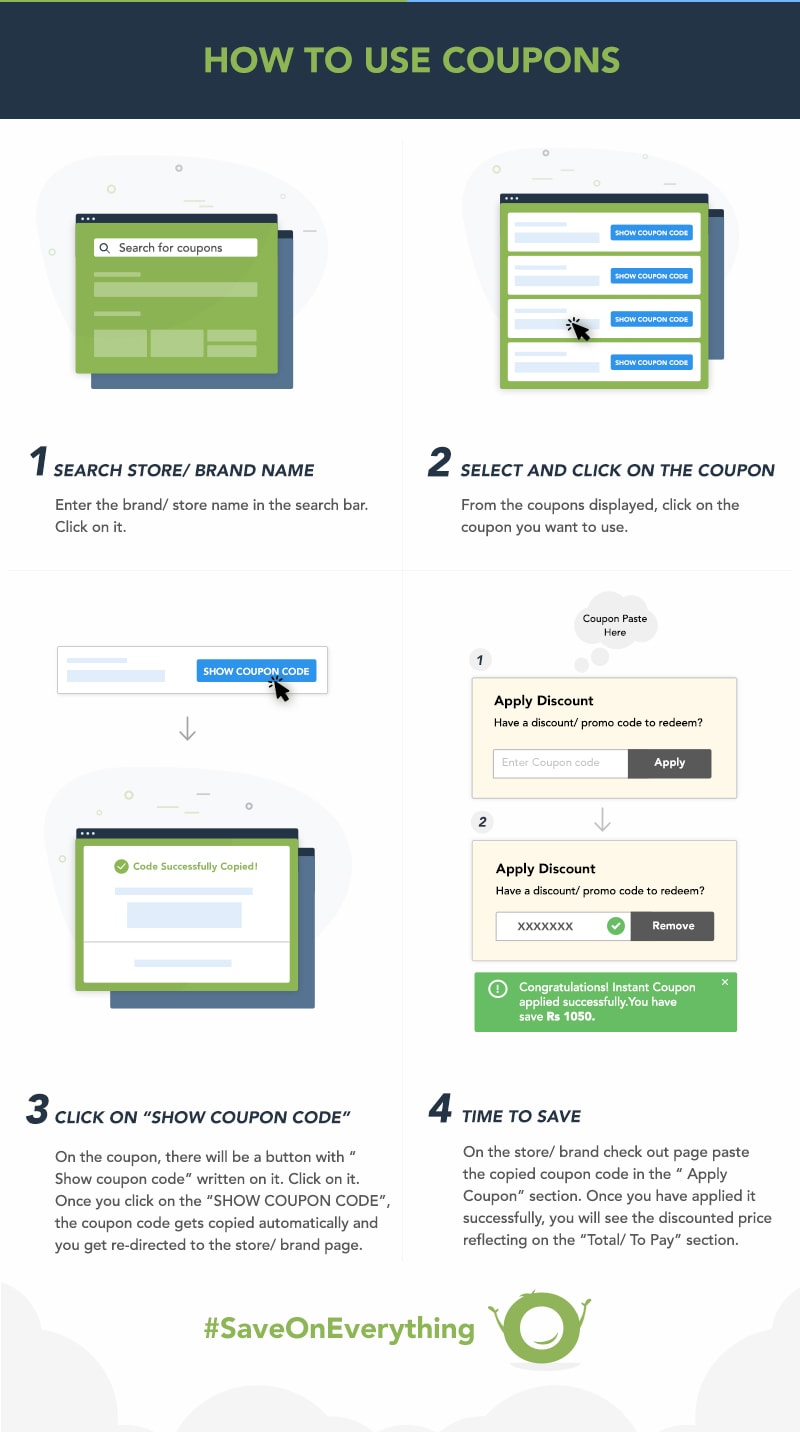
Filters
USER TYPES
Categories

More About Deel
Coupons Info
-
Coupons & Offers
:10
-
Verified
:10
Coupons You May Like

FLAT 12% OFF
Flat 12% OFF On Home Cleaning Services

Up To 20% OFF
New User Offer - Grab Up To 20% OFF On First Ride
Coupons from Similar Stores
Popular Stores

Subscribe Now
Get The Latest & Best Coupon/Offer Alerts
