

| Quick answer: The best way to save money in India is to automate your savings as soon as your salary arrives, follow the 50/30/20 budgeting rule, build an emergency fund covering at least six months of expenses, cut unnecessary recurring costs, and use verified coupons, bank offers, UPI discounts, cashback, and festive sales to save on planned purchases. |
There’s a certain peace of mind that comes from knowing you have money set aside when life throws you a curveball. While investing in stocks, mutual funds, or fixed deposits helps grow your wealth over time, saving consistently is what builds that foundation. Every amount you set aside, no matter how small, adds up.
Before diving into the saving tips, this guide explains how much of your salary you should save, how to build an emergency fund, and how to stack bank offers, UPI discounts, and verified coupons to save more every time you shop.
Benefits of Saving Money
- Financial freedom is not a foreign concept, and getting a taste of it is immensely rewarding. Your savings give you a sense of independence, so you don’t have to depend on someone else, rely on credit, or take a bank loan.
- You get to keep an emergency fund or a “rainy day” fund that gives you a safety net when unanticipated expenses like medical bills, car repairs, or job loss come into the picture.
- The more you save, the more you can invest, and this, in turn, leads to more savings. It’s, after all, a virtuous cycle that constantly adds to your financial growth.
- With your savings, you can start paying off your debts and afford major purchases like a house or a car or invest in nice vacations. This reduces the stress of repayments and also gives you a chance to experience leisure at ease.
- You can plan your retirement with the savings you make over time so that your life expenses are covered, and you can sit back and relax.
How Much of Your Salary Should You Save?
A good starting point is the 50/30/20 rule. Set aside 50% of your pay for essentials like rent, EMIs, groceries, and utility bills, 30% for discretionary spending like dining out, shopping, subscriptions, and travel, and 20% for savings and investments.
If saving 20% isn’t realistic yet, don’t worry. Start with 10% and increase it whenever your salary goes up. Over time, aim to save 20-30% of your income, especially after you’ve paid off high-interest debt.
Remember, the 50/30/20 rule is only a guideline. If your rent or loan payments take up a larger share of your income, cut back on non-essential spending instead of dipping into your savings. The most important habit is to save first and spend what’s left, not the other way around.
Three key habits:
- Pay yourself first: Automate a transfer or SIP as soon as your salary is credited so your savings grow before you start spending.
- Build an emergency fund: Keep 3-6 months’ worth of essential expenses in an easily accessible account. If you’re the sole earner or have irregular income, aim for 6-8 months.
- Don’t let lifestyle inflation eat your raise: Every time your salary goes up, increase your savings before upgrading your lifestyle.
150+ Easy Ways To Save Money
It begins with a thought, but acting on it is equally important. Below are simple yet effective tips that’ll show you how to save money in the easiest ways possible:
- Create a budget calendar: Mark due dates for your bills and set reminders to track expenses.
- Switch to a debit card: Set daily spending limits on your debit card and spend only what’s in your account instead of using a credit card.
- Sell your unused appliances: List items you don’t use anymore on resale platforms like Facebook Marketplace or OLX for quick cash. You could also use OLX discounts for additional savings.
- Shop during festive sales: Wait for exclusive Diwali deals, Christmas offers, or any festival sales to release, and then buy items at discounted prices. Track the biggest upcoming sales on GrabOn so you know when to shop.
- Learn DIY Stuff: Instead of investing in professional services time and again, watch YouTube tutorials to fix minor home issues and avoid service charges.
- Use bank and wallet offers: Make use of offers and rewards every time you make a payment by checking the cashback and coupon sections in banking apps. You can also check the latest bank and payment offers on GrabOn before a big purchase.
- Share your OTT subscriptions: Split your streaming services with your friends and family to save more. You can also use OTT coupon codes for additional savings on subscriptions.
- Buy more shoelaces instead of shoes: Use protective covers and maintenance kits to keep your shoes or even gadgets and clothing in good condition.
- Use coupons and promo codes: Look for verified coupon platforms like GrabOn and find exclusive discounts on shopping, dining, traveling, or whatever it is that you plan to buy.
- Repurpose instead of buying new items: Use your existing decor creatively by changing their placements or repainting them.
- Invest in stocks and mutual funds: Automate your SIPs to ensure consistent long-term investment growth.
- Follow the 30-day rule for your purchases: Add items to your cart, leave them there, and revisit after a month to test if you still need them.
- Cancel any unused subscriptions: You can use a subscription tracker to find and remove unnecessary platforms that you don’t use anymore.
- Participate in referral programs: Share referral links with your friends and earn rewards every time a friend signs up or purchases through your invite.
- Use price comparison sites: Check out platforms like Google Shopping and PriceGrabber to compare prices of the same product before buying something.
- Look for signup bonuses on platforms: Get new user rewards in banking, investment, and shopping apps and use them for orders you place.
- Learn for free through online courses: Explore online courses on platforms like Coursera and edX to upskill without paying extra. There are deals on online courses offered by GrabOn that could be useful.
- Opt for annual plans over monthly ones: If you’re choosing a long-term subscription, calculate your yearly savings with their annual plans before buying anything.
- Download videos for offline viewing: Download content over WiFi to save on your mobile data costs.
- Bundle services for discounts: Look for packages where you can combine streaming, cloud storage, and food delivery for better deals.
| Fact Break: Did you know? The phrase “A penny saved is a penny earned” is often attributed to Benjamin Franklin, but he never actually said it in those exact words! |

- Take advantage of free-entry events: Check local event listings, community groups, or even social media channels for no-cost entertainment.
- Use digital payment offers: Turn your notifications on so you get banking app promotions and real-time discounts.
- Use image search options to find alternatives: Upload a product image on Google Lens so you can find budget-friendly options for the same item.
- Buy items in bulk: Compare unit prices of items so you’re sure that your bulk purchases actually save money.
- Track your mobile data usage: Set app-specific data limits in your phone settings to avoid excess charges.
- Get a travel pass for daily commutes: Calculate your monthly savings compared to daily fares and see if a travel pass works better.
- Use public transport over personal vehicles: Use route-planning apps to find the fastest and cheapest transit options.
- Limit dining out to special occasions: Plan and prepare weekly meals in advance so you can avoid last-minute takeouts, which can get expensive.
- Invest in durable, high-quality products: Read product reviews and warranty details so you know you’re buying items that’ll last long.
- Prepare home-cooked meals: Batch cooked meals and store them in portions so you’re saving both time and money.
- Withdraw cash from your bank’s ATMs: Find your bank’s nearest ATM instead of withdrawing from any ATM to avoid extra fees.
- Reuse old clothing creatively: Turn your old t-shirts, pants, or skirts into cleaning rags or stitch them to make DIY tote bags.
- Swap clothes with family or friends: Organize a clothing exchange event instead of buying new items, so you have a new look while also not spending.
- Keep a savings jar for small expenses: Set a specific savings goal and use a savings jar for small but important expenses to track your daily spending.
- Sign up for group memberships: Pool in with friends or colleagues for gym or club memberships and make use of the fitness deals that you get for large groups.
- Read free e-books instead of buying physical copies: Check out e-libraries or Kindle’s free collection instead of buying or ordering books from stores.
- Buy only what you need: Create a needs vs. wants list before going to a store or ordering things online.
- Open a fixed deposit for better returns: Compare interest rates across banks before deciding which fixed deposit to open.
- Allow your provident fund to increase: Don’t withdraw early from your PF account; instead, make use of the long-term compounding benefits.
- Choose fuel-efficient transportation: Use carpooling or switch to public transport to avoid paying for the high fuel charges.
| Quote Break: “Beware of little expenses; a small leak will sink a great ship.” – Benjamin Franklin |

- Turn off appliances when not in use: Use power strips to cut off electricity to multiple devices at once and save on your electricity bills.
- Shop at thrift stores for budget-friendly finds: Visit second-hand shops in good areas for quality items at low prices.
- Buy grocery items in bulk: Look for offers on cab rides before you confirm the booking.
- Watch DIY repair videos and tutorials: Follow Pinterest and YouTube tutorials to repair something that has gone off instead of calling a professional.
- Purchase furniture directly from manufacturers: Look for clearance sales and factory outlets from manufacturers instead of buying from third-party websites.
- Switch to LED bulbs: Replace your old bulbs with LEDs to cut energy costs by up to 80%.
- Start a small home garden: Grow herbs like basil and mint in kitchen containers to reduce grocery expenses.
- Trade skills instead of paying for services: Offer tutoring, pet-sitting, or repair skills in exchange for services that you’re dependent on.
- Use WiFi for calls and messages: Enable WiFi calling to reduce your phone bill expenses and save on data.
- Compare discounts across multiple stores: Apart from comparing prices, check discounts offered by many stores to see which ones give you the largest savings.
- Negotiate for better prices: Ask for price matches or extra discounts, especially on expensive items.
- Use an ad blocker to resist temptation: Avoid impulse buying by limiting your exposure to targeted online ads.
- Set a monthly limit for eating out: Use budgeting apps to track your restaurant spending cap and limit it to a monthly thing.
- Buy winter clothes in the summer and vice versa: Shop during the off-peak season to get huge discounts on apparel.
- Exchange old goods for discounts: Use trade-in programs for electronics, furniture, and fashion and save on your new purchases and orders.
- Book rides through cab-hailing apps for savings: Compare fares across multiple apps before booking your cab or taxi. Look for offers on cab rides before you confirm the booking.
- Use digital scratch cards for extra rewards: Look for hidden cashback rewards in wallet apps. You can also find great Google Pay offers and use them towards your future payments.
- Compare product prices on different websites: Check aggregator sites like CamelCamelCamel for price trends and be the first to buy an item whose price has dropped.
- Stick to a pre-planned shopping budget: Use cash-only payments to avoid overspending, especially on items that are not necessary.
- Apply discount codes on utility bill payments: Check promo code sites or even the offers section of wallet apps before making any online payment.
| Fact Break: Did you know? UPI now accounts for 85% of all digital payment transactions in India, making it the country’s most widely used payment method. |
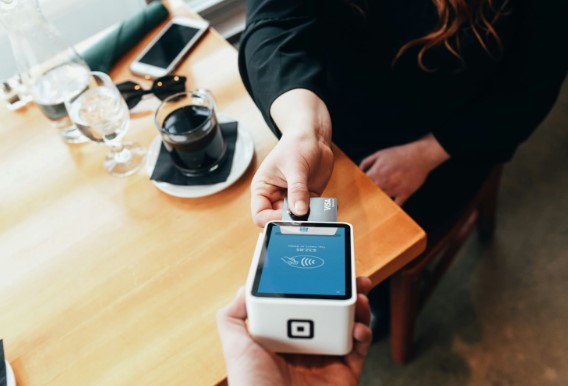
- Redeem loyalty points for purchases: Convert your reward points into travel, dining, or shopping rewards.
- Upgrade to a rewards-based debit card: Choose a card that offers cashback on items you frequently spend on.
- Make shopping lists to prevent impulse buys: Categorize items based on their urgency to prioritize spending on essential items.
- Enable notifications for discounts: Subscribe to store newsletters to receive exclusive deal alerts and sign-up discounts.
- Keep warranty cards for major purchases: Register products online to extend warranty benefits.
- Limit ATM withdrawals to avoid extra charges: Withdraw larger amounts at once to reduce transaction fees.
- Cycle for short distances instead of driving: Save on fuel while improving fitness either through cycling or walking.
- Book early for early-bird discounts: Plan vacations and purchases in advance to get the lowest prices. Pair early booking with travel offers on flights, hotels, and buses for even more savings.
- Use gift cards for savings: Buy discounted gift cards from resale platforms to pay less than face value.
- Borrow books from the library instead of buying: Use library apps to rent books instead of buying them.
- Set a weekly no-spend day: Pick one day each week to avoid any unnecessary spending.
- Delay major purchases: Wait a week before buying big-ticket items to rethink if they’re necessary.
- Use store-brand products: Choose generic brands for groceries, medicines, and household items to save.
- Cook with seasonal produce: Buy fruits and vegetables that are in season for better prices.
- Buy second-hand electronics: Check certified refurbished options for phones, laptops, and appliances.
- Use reusable water bottles: Avoid spending on bottled water by carrying your own.
- Switch to a prepaid phone plan: Only pay for what you need instead of costly postpaid plans.
- Unsubscribe from marketing emails: Reduce temptation by cutting down on promotional emails.
- Buy gift wrap and decor after the holidays: Get deep discounts on seasonal items after major holidays.
- Check for workplace perks: Use company discounts, gym memberships, or meal benefits.
| Joke Break: Why did the wallet break up with the credit card? Because it felt used and taken for granted! |
- Use community centers for free activities: Libraries and community halls offer free events and resources.
- Repair before replacing: Fix clothes, shoes, and electronics instead of buying new ones.
- Use old newspapers as gift wrap: Save on expensive wrapping paper by using creative alternatives.
- Ask for a better deal on subscriptions: Contact customer service to negotiate better rates.
- Use cold water for laundry: Save on electricity bills by washing clothes in cold water.
- Air-dry clothes instead of using a dryer: Reduce electricity usage by drying clothes naturally.
- Cut your own hair or learn basic grooming: Reduce salon visits with DIY grooming techniques.
- Buy in bulk with friends or family: Split costs on wholesale purchases to save more.
- Borrow tools instead of buying: Rent or borrow expensive tools instead of purchasing for one-time use.
- Take advantage of student or senior discounts: If you’re eligible, always check for student discounts and senior citizen offers before you pay.
- Buy refurbished furniture: Get quality furniture at a fraction of the cost from resale stores.
- Learn basic car maintenance: Change your oil, replace air filters, and check tire pressure yourself.
- Pack snacks for road trips: Avoid spending on overpriced food while traveling.
- Use free budgeting apps: Track your expenses with free apps instead of paid financial services.
- Sell unwanted gift cards: Convert unused gift cards into cash through resale platforms.
- Make your own cleaning supplies: Use vinegar, baking soda, and lemon for DIY cleaning solutions.
- Cancel gym memberships if unused: Use free workout apps or outdoor workouts instead.
- Find free parking: Look for free parking areas instead of paying for parking lots.
- Use cashback apps for groceries: Get cashback on everyday purchases using rebate apps.
- Limit paid subscriptions to one per category: Don’t pay for multiple music or streaming platforms at once.
| Statistic Break: A study found that those who budget effectively spend 23% less on impulse purchases each month! |

- Turn off heating and cooling when not needed: Adjust thermostats to avoid unnecessary energy use.
- Buy high-quality batteries: Long-lasting batteries save money over time compared to cheaper options.
- Stick to a grocery list: Avoid impulse shopping by only buying what you planned.
- Use a free budgeting template: Track expenses with simple, free templates instead of paid software.
- Opt for public library memberships: Borrow audiobooks, magazines, and courses instead of buying them.
- Buy used textbooks: Save money on educational materials by purchasing second-hand books.
- Keep an eye on cashback credit cards: Use them wisely to get rewards without overspending.
- Take advantage of birthday freebies: Many brands offer free products or discounts on your birthday.
- Make your own coffee: Save significantly by brewing at home instead of buying from cafes.
- Use carpooling apps: Share rides with friends or colleagues to cut travel costs.
- Negotiate rent: Ask your owner for a lower rent when renewing your lease.
- Plan meals around what you already have: Reduce waste and avoid unnecessary grocery runs.
- Unplug idle electronics to kill phantom load: TVs, set-top boxes, microwaves, and chargers on standby quietly add to your bill, so switch them off at the socket.
- Switch to a water-efficient showerhead: Reduce water bills by using less water per shower.
- Buy multi-use kitchen gadgets: Instead of one-purpose appliances, invest in tools that do more.
- Use cloth napkins instead of paper ones: Reduce spending on disposable napkins over time.
- Avoid extended warranties: They often aren’t worth the extra cost.
- Use LED fairy lights instead of regular ones: Save electricity when decorating for special occasions.
- Keep car tires properly inflated: Improves mileage and saves on fuel costs.
- Host game nights at home: Cheaper and just as fun as going out.
| Fun Fact Break: Did you know? Japan has vending machines for everything – from fresh eggs to umbrellas! |

- Opt for a water filter instead of bottled water: It saves money and is more eco-friendly.
- Skip premium versions of apps: Use free versions unless absolutely necessary.
- Cut down on meat consumption: Saves money while also being healthier.
- Use shopping list apps to track prices: It helps find the best deals on items you regularly buy.
- Check product warranties before buying: This helps you avoid buying items that won’t last.
- Avoid buying pre-cut fruits and vegetables: Whole produce is cheaper and lasts longer.
- Keep an emergency fund: Helps prevent last-minute borrowing or credit card debt.
- Do seasonal maintenance on your car/home – Prevent costly repairs by taking care of small issues early.
- Shop outlet stores for clothing: Get quality items at a fraction of the cost.
- Buy in-season fish and seafood: Prices drop when they are in abundance.
- Reuse jars and containers: Reduce spending on storage boxes.
- Buy fewer but better-quality clothes: Avoid fast fashion and invest in long-lasting items.
- Use an egg timer for showers: It helps limit water and energy use.
- Sign up for utility budget plans: Even out payments over the year to avoid spikes.
- Use a smart plug or timer on your AC and geyser: Set them to switch off automatically so they never run longer than needed.
- Limit screen time to save electricity: Reduces TV and device usage, lowering bills.
- Use loyalty programs wisely: Redeem points efficiently instead of letting them expire.
- Compare grocery prices weekly: Helps track discounts and buy at the lowest cost.
- Choose cash-back grocery stores: Some stores offer direct discounts or cashback.
- Buy quality socks and underwear: Saves money by reducing frequent replacements.
| Fun Fact Break: In Venezuela, McDonald’s once charged $133 for a Big Mac due to inflation! |

- Take lunch to work: Reduces spending on expensive takeout meals.
- Use night-mode settings on devices: Saves power and extends battery life.
- Watch free movies on YouTube or free OTT platforms: Skip rentals and paid subscriptions whenever you can.
- Refinance loans if possible: Get better interest rates to save on repayment costs.
- Avoid paying for unnecessary software: Check for free alternatives before purchasing.
- Limit pet grooming expenses: Learn basic grooming skills for your pet.
- Host potluck dinners instead of dining out: Share costs with friends instead of eating at restaurants.
- Use a bike for short distances: Saves money on fuel and transportation.
- Take care of your electronics: Clean and maintain devices to extend their lifespan.
- Buy clearance section groceries: Check for discounts on food items nearing expiry but still safe.
- Cut your own nails and do simple grooming: Save salon visits for bigger treatments, and use beauty service offers and salon discounts whenever you book one
- Limit AC usage with ceiling fans: Helps cool rooms without high electricity costs.
- Buy quality backpacks and handbags: Longer-lasting products save more in the long run.
- Switch to solar-powered lights for outdoor areas: Reduces electricity costs for gardens or balconies.
- Use rainwater for plants: Cuts down on water usage for gardening.
| Statistic Break: Indian households spend up to 47% of their monthly budget on food, making grocery savings add up quickly. |
Wrapping Up
People who save money consistently live with less stress, have more financial freedom, and build a secure future. They can handle emergencies, invest in opportunities, and achieve their dreams without relying on loans or credit cards. On the other hand, those who don’t save often struggle with debt, paycheck-to-paycheck living, and missed opportunities. A strong savings habit gives you peace of mind, more choices in life, and the ability to enjoy what truly matters. Start today, automate the first transfer, and let the habit compound.
FAQs
How much of my salary should I save each month?
A widely used starting point is 20% of your take-home pay, following the 50/30/20 rule (50% needs, 30% wants, 20% savings). If that feels difficult early in your career, start at 10% and increase it with every salary hike. Once you’ve cleared high-interest debt, aim to save 20-30% of your income.
What is the 50/30/20 rule?
It divides your take-home pay into three parts: 50% for essentials like rent, EMIs, and groceries, 30% for discretionary spending like dining out and subscriptions, and 20% for savings and investments. Adjust the percentages to suit your situation, but decide how much you’ll save before you start spending.
I earn a decent salary but have no savings. What am I doing wrong?
You’re probably saving whatever is left at the end of the month, and there’s nothing left. Track your spending for a month to identify money leaks, such as food delivery, impulse purchases, and forgotten subscriptions. Then automate a fixed transfer to your savings account on payday.
How can I save money fast on a low income?
Prioritize essentials, track every rupee, and cut back on dining out and impulse purchases. Buy in bulk with family, use public transport, apply verified coupons and cashback offers on necessary purchases, and consider earning extra income through freelancing or selling unused items.
How do I build an emergency fund and how big should it be?
Aim to save three to six months’ worth of essential expenses, including rent, EMIs, groceries, and utility bills. If you’re the sole earner or have irregular income, target six to eight months. Keep this money in a savings account, sweep-in FD, or liquid fund for easy access.
What is the 30-day rule?
Before buying something non-essential, wait 30 days. Add it to a wishlist or shopping cart and revisit it after a month. If you still need it, buy it. If not, you’ve avoided an impulse purchase.
Which apps help me save money in India?
For expense tracking, try Walnut, ET Money, or even a Google Sheet. For banking and rewards, consider Fi, Jupiter, or CRED. Before shopping, check a verified coupon platform for deals, and use CamelCamelCamel to verify Amazon price history.
How can I stop spending money impulsively?
Shop with a list, unsubscribe from promotional emails, disable one-tap payments, and follow a 48-hour cooling-off rule for expensive purchases. Removing saved cards from shopping apps also adds enough friction to curb impulse buying.
Should I save first or pay off debt first?
Do both in this order: build a small emergency fund covering one month’s expenses, pay off high-interest debt such as credit cards and personal loans, then grow your emergency fund to six months before investing. High-interest debt usually costs more than your savings can earn.
How do I save money when everything is getting more expensive?
Focus on your biggest expenses – housing, transport, and food. Cut unnecessary subscriptions, cook more meals at home, use public transport when possible, and plan non-urgent purchases around major sale events.
How can I save money from my salary?
Pay yourself first by transferring money into savings as soon as your salary is credited. Follow the 50/30/20 rule, automate a SIP or recurring deposit, and reduce unnecessary spending. Starting early also gives your investments more time to benefit from compounding.
What is the best way to save money in India?
Automate your savings so they don’t depend on willpower, track your expenses, build an emergency fund, and invest towards clear financial goals. For everyday spending, combine verified coupons with bank and UPI offers to save more on purchases you already planned to make.